
Vandaag of morgen in huis

Kwaliteit gegarandeerd

Welkomstaanbiedingen ontgrendelen: GRATIS bezorging | Tot 80% korting | Gratis 30 dagen JoyPlus-proefperiode
Download de app
Making your own ice cream sounds like a dream: creamy vanilla, refreshing sorbets, or healthy frozen yogurt, exactly the way you like it. But the reality can be different. An impulse buy often leads to a clunky appliance that gathers dust in the cupboard after just a couple of uses. Before you purchase an ice cream maker, it's important to recognize a few common pitfalls.
Many buyers fall into two specific traps:
ice cream maker can't make ice cubes, and an ice cube machine is unsuitable for preparing sorbet. The wrong choice is a guaranteed recipe for disappointment.This guide will help you avoid these problems and choose an ice cream maker that truly fits your lifestyle.
To find the right home ice cream maker, it's crucial to understand two technical specifications. These determine the ease of use, speed, and the final result.
This is the most important choice you will make. It determines how and when you can make ice cream.
Your choice depends on your patience and how often you plan to use the ice cream maker.
Before you make a purchase, you need to be clear about what you want to create.
making ice cream at home, as well as for sorbet, gelato, and frozen yogurt.portable ice cube maker is a popular choice for parties, camping, or a home bar, as it produces a new batch of ice cubes within minutes.Below is a selection of ice cream makers, matched with specific user profiles. These are not "winners," but practical matches based on their specifications and how they fit a particular need.
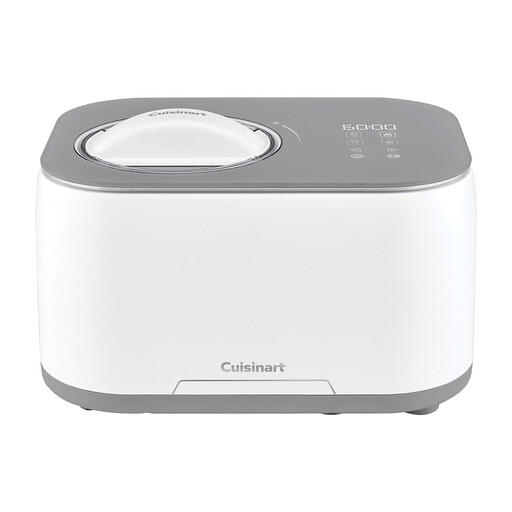
Why This Fits Their Persona: For those who crave fresh ice cream at a moment's notice, this model is ideal. You don't need to plan ahead. Just pour in the ingredients, and the machine starts freezing and churning immediately. Perfect for creative experiments or a quick dessert after dinner.
This compressor ice cream maker completely bypasses the "pre-freeze" trap. No crowded freezer and no 24-hour waiting period. Convenience and spontaneity are paramount.
Self-freezing system for ice cream in about 40 minutes. The 1-hour keep-cool function maintains the ice cream at the right temperature if you don't serve it right away.
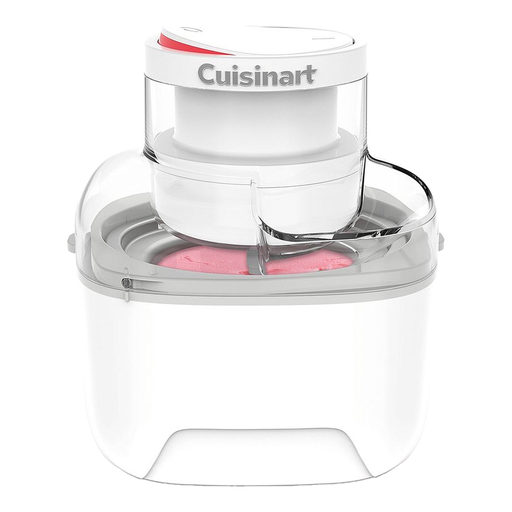
Why This Fits Their Persona: Perfect for those who want to experiment with homemade ice cream without a large investment. Its compact size is ideal for one or two-person households and kitchens with limited space.
Although this model uses a freezer bowl, its 0.48-liter capacity is small enough to easily find a spot in the freezer. It's a conscious trade-off for a lower price and a smaller footprint.
Very budget-friendly and compact. Ideal for small portions and for discovering if homemade ice cream is for you. The parts are dishwasher-safe.

Why This Fits Their Persona: For those who regularly host guests, throw parties, or need a convenient solution for their RV or camper. This appliance ensures a constant supply of ice cubes for cocktails, soft drinks, and more.
This is a dedicated ice cube maker. It resolves the confusion between dessert and beverage ice machines by specializing in one task: producing ice cubes quickly and efficiently.
Produces 9 ice cubes in 6-8 minutes. It's a compact and portable ice cube maker with a convenient self-cleaning function for easy maintenance.
We've curated a complete, up-to-date list of products that fully meet these strict selection criteria and local safety regulations.
No, that is not possible. An ice cream maker is specifically designed to freeze a liquid mixture while churning it to create a smooth texture. It cannot produce solid, individual ice cubes. For that, you need a separate ice cube maker.
The lifespan depends on the type and maintenance. A compressor model has more complex parts but is often built more robustly. A freezer bowl model has fewer moving parts. With proper care (not using metal utensils in the bowl, regular cleaning), a machine can last for years. The manufacturer's warranty period, often 2 to 3 years, provides a good indication of its expected durability.
The stated capacity is usually the volume of the bowl, not the final amount of ice cream. During the freezing and churning process, the mixture expands. As a rule of thumb, you can expect the final yield to be about 50% to 60% of the bowl's capacity. Therefore, a 1.5-liter bowl will produce approximately 750 to 900 ml of ice cream. Keep this in mind if you plan to make ice cream for a larger family.
