
Vandaag of morgen in huis

Kwaliteit gegarandeerd

Welkomstaanbiedingen ontgrendelen: GRATIS bezorging | Tot 80% korting | Gratis 30 dagen JoyPlus-proefperiode
Download de app
Living with Irritable Bowel Syndrome (IBS) can be a daily challenge. Bloating, abdominal pain, gas, and unpredictable bowel movements affect your quality of life. In your search for relief, you'll encounter an abundance of remedies online and in stores. But how do you separate the wheat from the chaff?
Many people make choices they later regret. Before making a purchase, it's helpful to recognize the most common pitfalls:
An informed choice helps you find a product that meets your needs, without wasting money on marketing hype.
To avoid a bad purchase, it's wise to check a few key specifications. These objective criteria provide a clearer picture of what a product can offer for reducing intestinal complaints.
This is perhaps the most important distinction.
For direct relief of IBS symptoms, a medical device is often a more targeted choice.
Look beyond the brand name and focus on the ingredients list. For IBS-related complaints, you'll often encounter specific substances.
By understanding what the main ingredients do, you can better assess whether a product fits your primary complaints, whether you're looking for a remedy for bloating or general support.
Based on these objective criteria, we have highlighted several products that suit different needs. These are not "miracle cures," but products with a clear composition and a specific purpose.
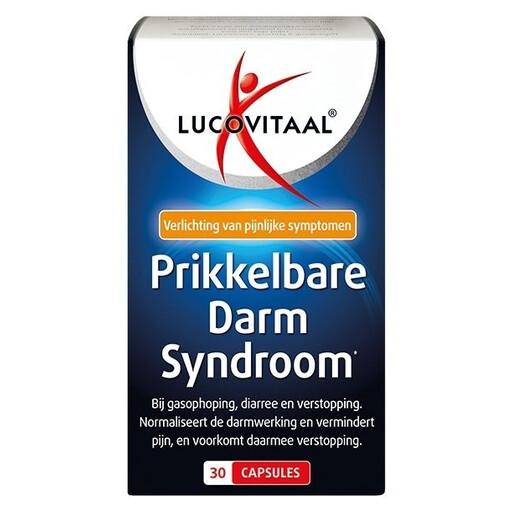
Why This Fits Their Persona: This person has an IBS diagnosis and is looking for a specific solution to directly address symptoms like bloating, gas, and abdominal pain.
This is not a vague formula, but a medical device with a clear mechanism. The main ingredient, bentonite, is intended to absorb gases and other substances that cause symptoms.
Classified as a medical device for the relief of IBS symptoms. Focused on normalising bowel function and reducing pain.
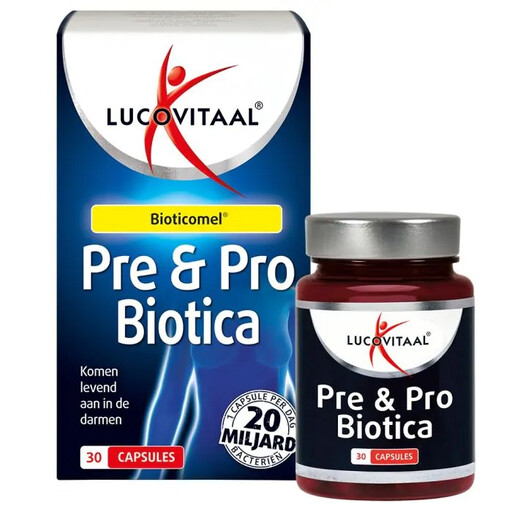
Why This Fits Their Persona: Someone looking for a daily supplement to support overall gut health, possibly alongside other IBS treatments or for milder, general intestinal complaints.
This product doesn't promise an instant cure but offers a clear composition of 8 bacterial strains and prebiotics (FOS) to support the gut flora. The focus is on maintenance, not a quick fix.
Contains 20 billion live bacteria per capsule and is stomach acid-resistant, ensuring the bacteria reach the intestines alive. Only one capsule per day is needed.
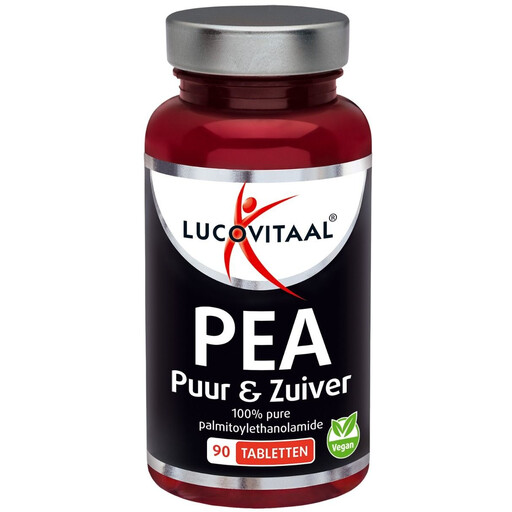
Why This Fits Their Persona: For those whose primary IBS complaint is abdominal pain. This person is looking for a supplement that targets the body's physiological processes related to pain.
This is a pure product with a single active ingredient: Palmitoylethanolamide (PEA). It makes no exaggerated claims but offers a body-native substance in supplement form.
Contains 100% pure PEA, a substance that occurs naturally in the body. The tablets are easy to swallow and suitable for diabetics.
We have compiled a complete, up-to-date overview of products that meet these selection criteria and current regulations.
The speed at which you notice an effect varies by product and person. A medical device like Lucovitaal IBS that binds gases can provide relatively quick relief from bloating. Products that support the gut flora, such as probiotics, often take several weeks before a structural change is noticeable. It is important to adhere to the recommended duration of use and remember that these remedies are aimed at managing symptoms, not curing the condition.
This is an important question. The ingredients in a medical device or supplement can affect how medications work. Bentonite, for example, can reduce the absorption of other substances. Therefore, always consult your doctor or pharmacist before starting a new product, especially if you are already taking other medication. Also, always read the package leaflet for specific warnings.
A medical device for IBS, such as a product containing bentonite, has a direct, often physical, effect on the symptoms. It is designed to, for example, bind and remove gas or irritating substances in the gut. Probiotics are food supplements that contain live bacteria. They are intended to support the balance of the gut flora in the long term, which can indirectly contribute to reducing intestinal complaints. The two can complement each other but have different primary goals.
