
Vandaag of morgen in huis

Kwaliteit gegarandeerd

Welkomstaanbiedingen ontgrendelen: GRATIS bezorging | Tot 80% korting | Gratis 30 dagen JoyPlus-proefperiode
Download de app
A child car seat may seem straightforward to choose at first. Yet parents regularly buy a model that doesn’t fit their child’s height, isn’t suitable for their car or needs replacing again after a short time. Small differences in installation and size can make a big difference, especially when choosing an infant car seat or a toddler car seat.
The most common pitfalls:
Start by checking your child’s height. An ECE R129 car seat, also known as an i-Size child car seat, clearly states the permitted height range on the product. For babies, this is often 40 to 80 cm. A toddler car seat may start at 76 cm, while a car booster seat is generally intended for children from 125 to 150 cm.
Under i-Size regulations, children must travel rear-facing until at least 15 months old. So don’t just look at the product name; check:
An ISOFIX car seat clicks into anchor points in the car. Some models also use a support leg or Top Tether. Check your car’s manual to see whether these anchor points are present and which seats they can be used on.
An infant car seat can sometimes also be secured with the car’s three-point seat belt. This is useful if you use the seat in more than one car. The belt must pass through the guides shown and must not be twisted.
A swivel function is particularly useful when placing your baby in the seat and taking them out. Check the conditions, though: on some models, the seat only swivels when used with a separate ISOFIX base.
A good belt guide helps position the diagonal belt across the shoulder, rather than against the neck. This is an important point to check on a car booster seat. Also look at the width of the seat, the height of the headrest and whether the cover can be removed.
It’s also worth checking these practical details:
Don’t use universal cushions or accessories under the belt unless the manufacturer has expressly approved them.
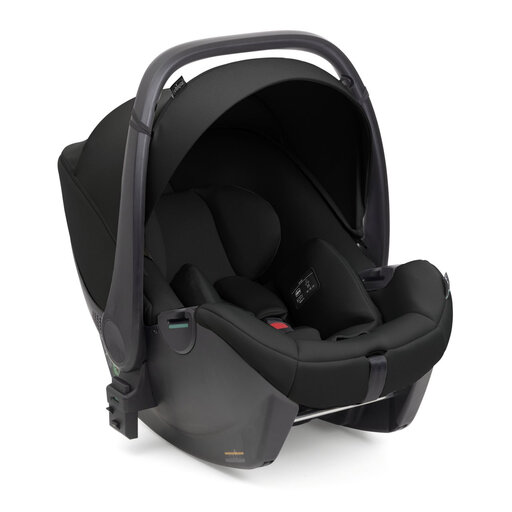
Why it suits these needs: This infant car seat is suitable from birth to around 15 months and can be installed using the car’s three-point seat belt or a separate Full 360 i-Size base.
The 40–80 cm height range is clearly stated. The seat is used rear-facing only, so you don’t have to rely on an age guide alone.
ECE R129/03, an insert for 40–60 cm, ventilation in the seat shell and compatibility with selected Chicco pushchairs.
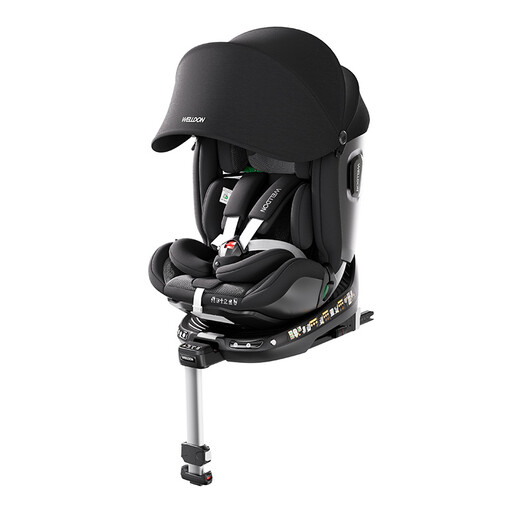
Why it suits these needs: According to the product specifications, this model is designed for children from 40 to 125 cm. It combines ISOFIX, a support leg and a 360° swivel function in one car seat for ages 0–7.
According to the product description, the system alerts you if the seat has been installed incorrectly. Even so, always check the instructions and the installation yourself.
ECE R129/i-Size, adjustable recline positions, removable cover, integrated sensors and use up to 125 cm according to the stated specifications.
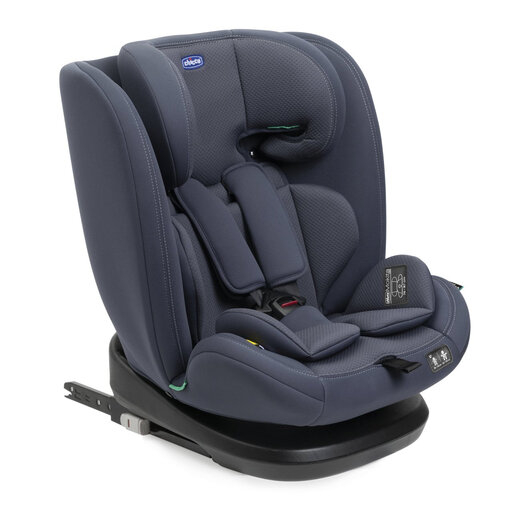
Why it suits these needs: For families who want to use one car seat from 15 months to around 12 years, with different installation steps as their child grows.
The specified height range is 76–150 cm. A five-point harness is used up to 18 kg; according to the product information, the car’s three-point seat belt can be used from 100 cm.
ECE R129/04, ISOFIX and Top Tether for the first stage, an adjustable headrest and a padded insert for toddlers.
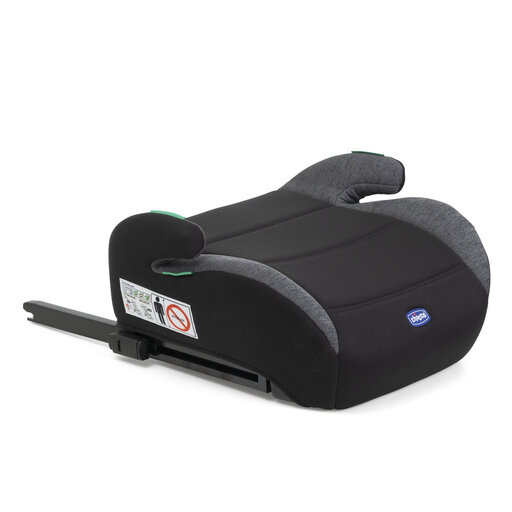
Why it suits these needs: This car booster seat is designed for children from 125 to 150 cm and suits those who can already sit upright unaided.
The integrated belt guide helps position the diagonal belt. Always use the full three-point seat belt and check that it doesn’t run across the neck.
ECE R129/04, optional ISOFIX connectors, padded armrests and a removable, washable cover.
We’ve put together a complete, up-to-date list of products that meet these strict selection criteria and the current European safety regulations.
A car organiser can keep toys, snacks and care essentials together. Choose a model that attaches securely and doesn’t obstruct the driver’s view. Keep sharp, heavy or breakable items out of children’s reach.
A lumbar support cushion for the car or an inflatable seat cushion can make the seat more comfortable for adults. This is a comfort accessory, not part of the child restraint system. So don’t place it under or behind a child car seat unless the car seat manufacturer allows it.
Use an i-Size child car seat when your child’s height falls within the model’s range and the seat is approved under ECE R129. Also check your car’s installation requirements and which seats are approved for use.
How long a car seat lasts depends on the model, your child’s growth and the condition of the seat. Replace it after a serious accident, if there is visible damage or when the height or weight limit has been reached. Always follow the instructions for storage, care and replacement.
ISOFIX isn’t compulsory for every car seat. Some models can be secured with the car’s three-point seat belt. An ISOFIX car seat can make installation more convenient, but always check that the fitting is compatible with your car and the model you’ve chosen.
