
Vandaag of morgen in huis

Kwaliteit gegarandeerd

Welkomstaanbiedingen ontgrendelen: GRATIS bezorging | Tot 80% korting | Gratis 30 dagen JoyPlus-proefperiode
Download de app
Buying an i-Size child car seat may seem straightforward, until you have to choose between an infant car seat, toddler car seat, child car seat or booster seat for a child. Age indications, height ranges, ISOFIX and swivel functions do not always make comparing options any easier. As a Joybuy Product Recommendation Officer, I filter the most important product information so you can distinguish marketing claims from verifiable specifications.
Ages in product titles are only guidelines. Children of the same age can vary considerably in height and build. With an ECE R129 car seat, the child’s height is therefore particularly important. Always check that the current height range is suitable for your child.
An ISOFIX car seat can make installation easier, but you need to check what additional attachment is required. This could be a support leg or Top Tether, for example. The car must also be suitable for the chosen installation method. Read both the car seat and vehicle manuals before using the seat.
A 360-degree rotating car seat is practical when getting your child in and out. However, the rotation mechanism needs space between the seat, door and front seat. Also check that the support leg stands securely on the floor and that the seat can be used in all permitted positions.
i-Size refers to the European safety standard ECE R129. This standard classifies car seats according to body height and includes requirements relating to side impacts, among other things. According to the product information for the models mentioned, they are certified under ECE R129 or ECE R129/04. This does not mean that every seat will fit every car: installation, height range and use in accordance with the manual remain decisive.
For an infant car seat such as the Chicco Kory Essential i-Size, the product details specify rear-facing travel from 40 to 80 cm and a maximum weight of 13 kg. The product information states that rear-facing use is required until 15 months under the i-Size guidelines.
Pay attention to the difference between:
A 0–12-year car seat sounds appealing because of its long usable life, but a seat for a newborn must also provide a suitable infant insert, reclined position and correct rear-facing position. Therefore, check not only the maximum height, but also the minimum height and the points at which you need to change the configuration.
An adjustable headrest should grow with your child without causing the harness to sit incorrectly. With a 5-point harness, check that the shoulder straps are at the correct height and fit snugly. With a booster seat using the three-point seat belt, the diagonal belt should pass over the shoulder rather than across the neck.
Washable upholstery is practical for everyday use. Check whether the cover is fully removable and whether the manufacturer specifies hand washing, machine washing or a particular temperature. Do not use additional cushions or thick clothing under the harness, as this can affect the fit.
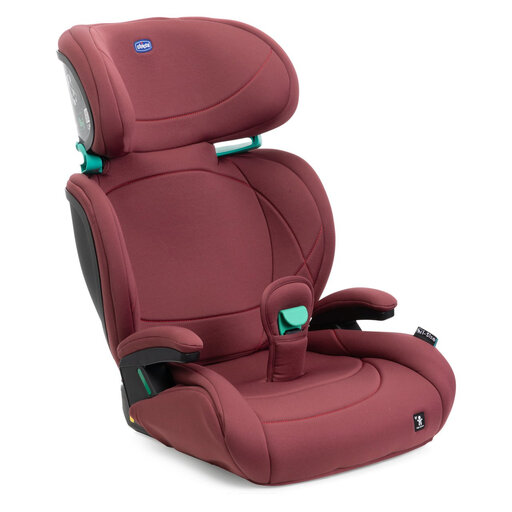
Why it suits this profile: According to the product details, this lightweight seat weighs 4.5 kg and is intended for children from 100 to 150 cm. This is practical if you want to move the seat between cars.
The height range is clearly stated, so you do not have to rely solely on an age label.
ECE R129/04, adjustable headrest, two recline positions and removable, washable upholstery.
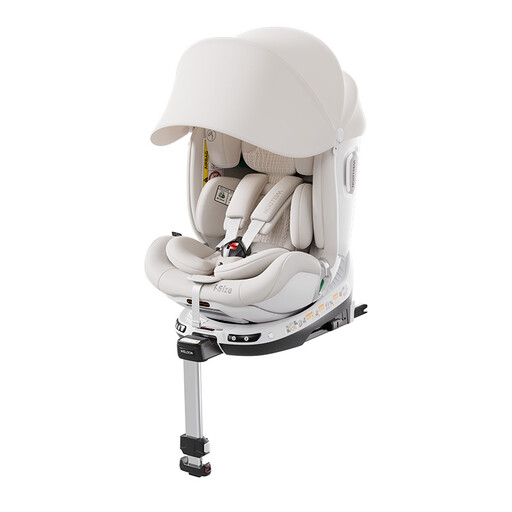
Why it suits this profile: The product information states that it can be used from 40 to 125 cm, with ISOFIX, a support leg and a 360° function. This suits parents who place a high value on adjustability and everyday convenience.
The sensors and installation indicators mentioned are features from the product description; always check the signals and manual yourself.
ECE R129, rear-facing and forward-facing use according to the product details, adjustable recline positions and removable upholstery.
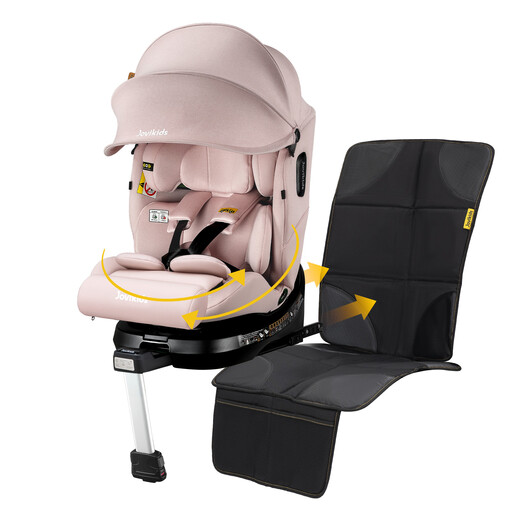
Why it suits this profile: According to the product details, this seat is designed for 40–150 cm, with ISOFIX, a support leg, multiple recline positions and a removable sun canopy.
The broad height range and adjustable headrest reduce the likelihood of having to move to the next seat quickly; however, check every transition.
360° rotation, 12 headrest positions, washable cover and additional inserts according to the product description.
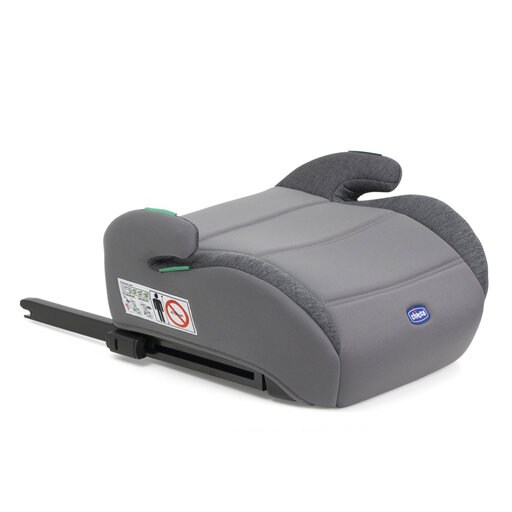
Why it suits this profile: This child booster seat is intended for 125–150 cm and uses the three-point seat belt; according to the product information, ISOFIX is optional.
The clear height range helps prevent a booster seat from being used too early. The belt guide helps ensure the correct belt path.
ECE R129/04, optional ISOFIX attachment, padded armrests and removable, washable cover.
We have put together a complete, up-to-date list of products that fully meet these strict selection criteria and the applicable European safety regulations.
The usable life depends on the permitted height range, the condition of the seat and the manufacturer’s instructions. A seat for 40–150 cm can cover several growth stages, but check the headrest, harnesses, upholstery and attachment points regularly. After a serious accident, you should replace the seat, even if there is no visible damage.
Not always. Some models use ISOFIX in combination with a support leg or Top Tether. Other seats, such as certain booster seats, can be used with the three-point seat belt according to the product information. Check the approved installation method for your model and car.
Look primarily at height. The Quasar models mentioned are intended for 125–150 cm, approximately 7 to 12 years according to the product information. The belt should lie flat across the chest and pelvis, not across the neck or stomach. Once the fit is no longer correct, another solution is needed.
