
Vandaag of morgen in huis

Kwaliteit gegarandeerd

Welkomstaanbiedingen ontgrendelen: GRATIS bezorging | Tot 80% korting | Gratis 30 dagen JoyPlus-proefperiode
Download de app
Choosing an i-Size car seat seems straightforward, until you start comparing the different height ranges, fitting systems and age recommendations. Marketing terms such as “360-degree”, “from birth” and “up to 12 years” sound appealing, but they don’t always tell you enough about how well the seat will fit your car or how your child will actually be secured.
The three most common buying mistakes:
An ECE R129 car seat is classified according to your child’s height. So start by checking the stated range, for example 40-125 cm, 40-150 cm or 125-150 cm.
Rear-facing travel is an important consideration for young children. Many models require children to travel rear-facing until at least 15 months. Always check the manufacturer’s instructions, especially for an infant car seat or a car seat designed for use from birth.
A seat for children measuring 125–150 cm is not suitable for a baby. Conversely, a large seat designed to grow with your child may be unnecessarily bulky for an older child. The belt fit, headrest height and support around the body should all suit your child’s height.
An ISOFIX car seat can be fitted quickly in many cars. However, check whether your car has ISOFIX anchor points and whether the seat requires a support leg or Top Tether. On models with a support leg, it must rest firmly on the floor and be adjusted according to the instructions.
Some seats later use your car’s three-point seat belt. This offers flexibility if you use the seat in more than one vehicle. An i-Size booster seat for children measuring 125–150 cm, for example, is usually secured with the three-point seat belt. A belt guide should position the diagonal belt over the shoulder, not across the neck.
A reclining car seat can be comfortable on longer journeys, but check how many positions it actually offers and which direction of travel they work in. A wide seat may be comfortable, but it also takes up more space on the back seat.
Also look for:
Claims about extra protection, sensors or impact-absorbing materials come from the brand’s product information. Treat them as product specifications to compare, rather than as a guarantee of a particular outcome.
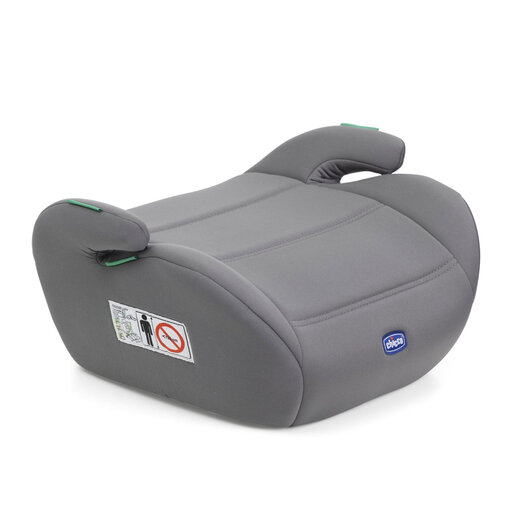
Why it suits this need: This compact model is designed for children measuring 125–150 cm, or approximately 7–12 years old. It uses your car’s three-point seat belt and doesn’t require ISOFIX.
The clearly specified height range helps you avoid choosing a seat based on age alone. The integrated belt guide helps position the belt correctly.
ECE R129/04, soft armrests and a removable, washable cover. Always check that the belt sits correctly across your child’s shoulder and pelvis.
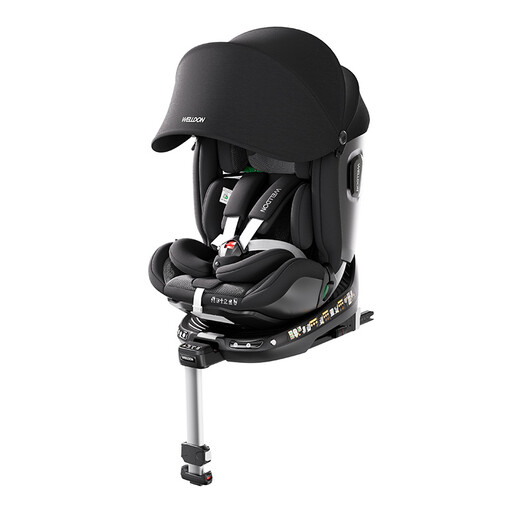
Why it suits this need: A good option for families looking for one versatile seat for children measuring 40–125 cm, with a rotation function, ISOFIX and multiple adjustment options.
The product information lists a built-in installation check, but you should still check all indicators and follow the instructions.
According to the product description: 360° rotation, adjustable support leg, recline positions, newborn insert and removable cover.
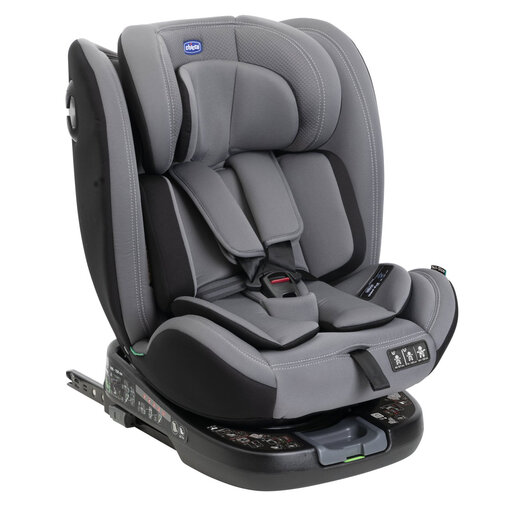
Why it suits this need: This model is designed for children measuring 40–150 cm. It’s a good fit for families who often get their child in and out of the car or want a seat they can use for several years.
The height range is clearly specified. The product information says children under 15 months should travel rear-facing; always follow the latest instructions.
ECE R129/03, 360° rotation, ISOFIX with Top Tether, five recline positions and an insert for babies up to 60 cm.
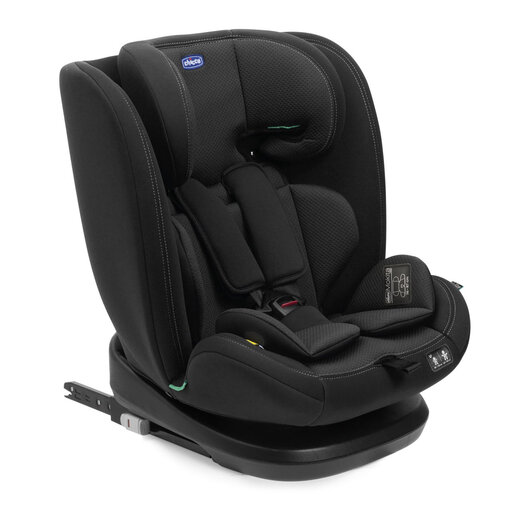
Why it suits this need: A practical choice for children measuring 76–150 cm if you already have an infant car seat and rear-facing travel is no longer needed.
The product information clearly states that this model is used forward-facing from 15 months and 76 cm. This helps prevent it being used inappropriately for babies.
ECE R129/04, ISOFIX and Top Tether up to 105 cm, then use with the three-point seat belt, plus four adjustable recline positions.
We’ve put together a complete, up-to-date list of products that meet these strict selection criteria and the current European safety regulations.
No. Some models use ISOFIX, while others are secured with the three-point seat belt. Check which fitting method is suitable for your car and the seat in question. An i-Size booster seat, for example, may use only the car’s seat belt.
That depends on the period of use specified by the manufacturer, your child’s height and the condition of the seat. Replace a car seat after a serious accident, even if there’s no visible damage. Also check the harness, buckles, cover and fitting points regularly.
No. A rotating car seat can make getting your child in and out easier, especially in a taller car or if you often need to lift them. The system usually takes up more space and can be heavier. Choose 360° rotation if it suits your everyday needs and the seat can be fitted correctly in your car.
