
Vandaag of morgen in huis

Kwaliteit gegarandeerd

Welkomstaanbiedingen ontgrendelen: GRATIS bezorging | Tot 80% korting | Gratis 30 dagen JoyPlus-proefperiode
Download de app
Choosing an i-Size car seat may seem straightforward, until you start comparing height limits, ISOFIX, Top Tether, harness systems and swivel functions. Marketing copy often focuses on extra comfort or a long period of use, but it’s the installation and fit that determine whether a car seat is practical for your car and child.
Age is a guide, but ECE R129/i-Size car seats are classified mainly by height. A seat for 40–150 cm may be suitable from birth, while a high-back booster can often only be used from 100 or 125 cm. Always check the approved height range on the product and in the manual.
An ISOFIX car seat isn’t automatically suitable for every seat in every car. Some models also require a Top Tether, support leg or three-point seat belt. Check your car’s manual to make sure the right anchor points are available. When installing with a seat belt, thread it through all the designated guides and make sure it lies flat against your child’s body.
A 360-degree rotating car seat can make getting your child in and out easier. However, the swivel mechanism needs space between the car seat, door and front seat. Also check that the seat can be locked in the direction of travel you want. A swivel function is no substitute for correct installation or proper harness adjustment.
ECE R129 is the European approval standard under which many i-Size models are approved. Seats are classified by the child’s height, and the relevant approval includes requirements such as side-impact testing. R129 approval doesn’t mean that every seat will fit every seating position. Always check vehicle compatibility and follow the manual.
For children under 15 months, many R129 models require rear-facing installation. This is also clearly stated for models such as the Unico EVO iSize and Kory Essential i-Size. Don’t use a seat in a forward-facing position until the product instructions allow it.
An 0–12-year car seat sounds practical, but check that the seat fits properly at every stage of your child’s growth. Look out for:
Pay particular attention when switching to the car’s seat belt. The diagonal belt should pass over the shoulder through the belt guide, not across the neck. The lap belt should sit low across the pelvis.
For younger children, a car seat with a 5-point harness has its own built-in harness. The Unico EVO iSize uses this system up to 105 cm, and the Mokita I-Size Classic up to 105 cm or a maximum of 18 kg, according to the product information. After that, these models use the car’s three-point seat belt.
A car seat with Top Tether has an additional strap which, according to the manual, must be attached to the designated anchor point. Tighten the strap and check all installation indicators before setting off. Never use a Top Tether or support leg in a way that isn’t approved by the manufacturer.
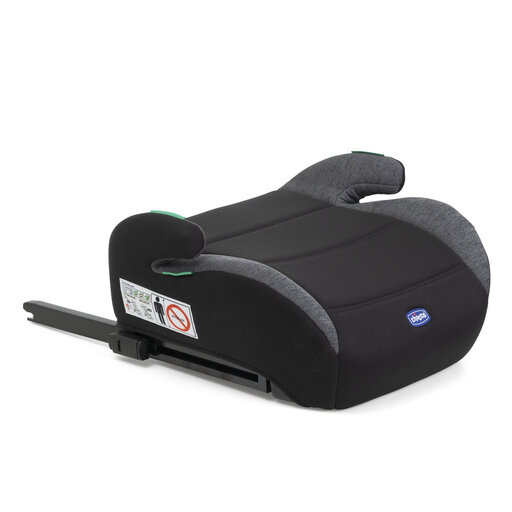
Why it suits this profile: A compact option for children measuring 125–150 cm who can already sit upright unaided and use a three-point seat belt correctly.
The seat doesn’t rely on ISOFIX: it’s installed using the three-point seat belt. ISOFIX connectors are optional. The built-in belt guide helps position the belt correctly.
ECE R129/04, suitable for 125–150 cm, soft armrests and a removable, washable cover.
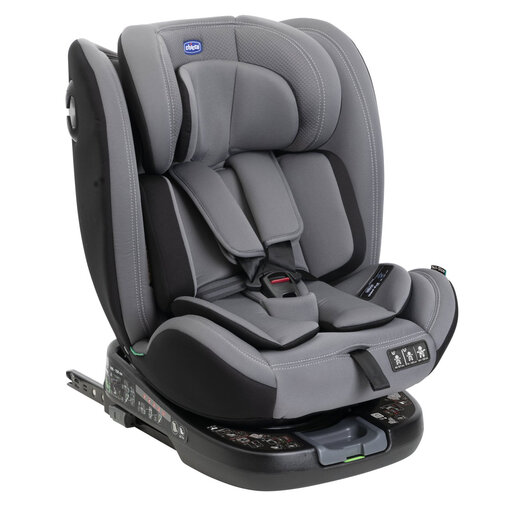
Why it suits this profile: Ideal for families looking for one adjustable car seat to use from babyhood until their child is around 12 years old.
Its wide 40–150 cm range covers several stages of growth. The manual requires children under 15 months to travel rear-facing.
360° rotation, five recline positions, ISOFIX with Top Tether and a five-point harness up to 105 cm.
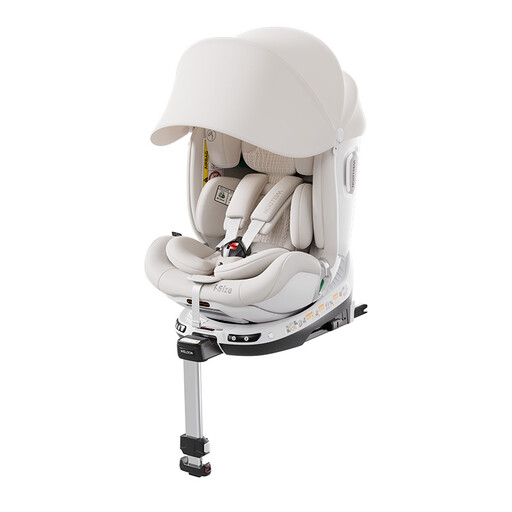
Why it suits this profile: A good fit for families who travel often and value rotation, multiple adjustment options and a long period of use from 40–125 cm.
According to the product information, this model uses ISOFIX and a support leg. Before buying, check that your car is compatible and follow the installation indicators.
According to WELLDON’s own product information: 360° rotation, multiple recline positions, a removable cover and use from 40–125 cm.
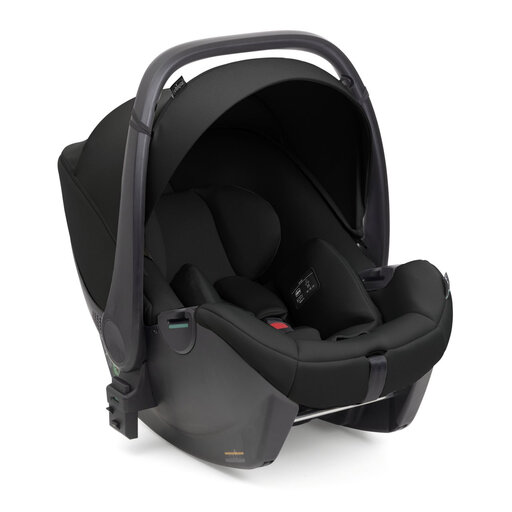
Why it suits this profile: A baby car seat for 40–80 cm, used rear-facing and installable with a seat belt or a compatible ISOFIX base.
The seat has a clearly defined range of 40–80 cm, making it easier to plan when your child will need their next car seat.
ECE R129/03, rear-facing use, insert for 40–60 cm and compatibility with a Full 360 i-Size base.
We’ve put together a complete, up-to-date list of products that meet these strict selection criteria and the current European safety regulations.
No. The seat’s approval and your car’s anchor points must be compatible. Check the vehicle list, the manual and the approved seating positions. Some models can also be installed with the three-point seat belt, but only if the manufacturer says so.
It depends on the height limit. Some models cover 40–150 cm, while others are only suitable for 40–80 cm or 125–150 cm. So an age guide such as ‘up to around 12 years’ is only an estimate. Your child’s height and the fit of the seat are what matter.
It depends on how you’ll use it. Rotation can make it easier to secure a baby or toddler, but check that your car has enough space. Also compare the installation method, permitted direction of travel, height limit and harness adjustment. A swivel function is a convenience feature, not a substitute for correct installation.
