
Vandaag of morgen in huis

Kwaliteit gegarandeerd

Welkomstaanbiedingen ontgrendelen: GRATIS bezorging | Tot 80% korting | Gratis 30 dagen JoyPlus-proefperiode
Download de app
Choosing an i-Size car seat may seem straightforward, until you compare height ranges, ISOFIX, travel direction and installation requirements. Marketing copy often highlights features such as 360-degree rotation, extra-soft padding or use up to 12 years. That sounds convenient, but it does not automatically mean the seat is suitable for your child and car.
The three most common buying mistakes are:
A practical choice therefore starts with the official height category, installation in your car and everyday usability.
An ECE R129 car seat, also known as an i-Size car seat, is classified according to the child’s height. This makes comparing products more straightforward than relying solely on age or weight.
Common ranges include:
According to the product information, the models mentioned are approved under ECE R129/03 or R129/04. Always check the label on the product and follow the instructions. A range up to 150 cm does not mean that every configuration can be used from birth or until the end with the same harness.
A car seat with ISOFIX can make installation easier, but your car must have suitable ISOFIX anchor points. Some models also require a support leg or Top Tether. These components are not interchangeable.
Check the following before buying:
A seat that is technically certified may still be impractical if it presses against a front seat or does not sit securely on the rear bench. Use the installation indicators and follow the instructions from both the manufacturer of the car seat and the car manufacturer.
A 360-degree rotating car seat can make getting your child in and out easier. Turn the seat towards the door, secure your child and then rotate it back. However, the rotation function does not replace correct installation. Also check whether the seat may be used in every desired direction of travel.
Also look for:
Claims about extra protection or air circulation should be read as product information supplied by the brand. According to Chicco, for example, the Seat3Fit i-Size Air has a ventilation system and AIR fabric inserts. These are verifiable product features, but they are not a guarantee of a particular outcome in an accident.
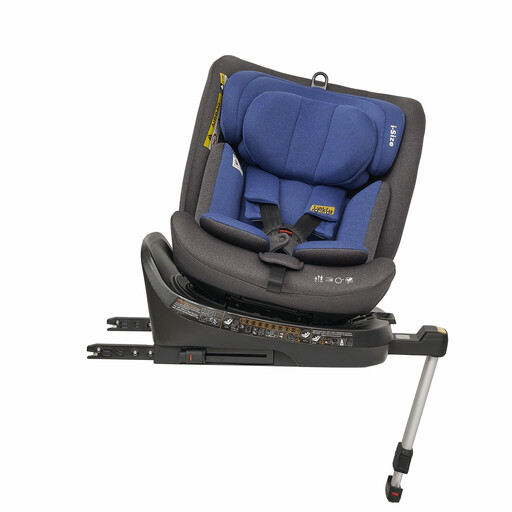
Why it suits this profile: A versatile choice for families looking for one adjustable car seat from birth. The stated height range is 40 to 150 cm.
The product information lists ISOFIX, an adjustable support leg, twelve headrest positions and a fully removable cover. However, always check installation in your car.
40–150 cm, 360° rotation, multiple recline positions and washable covers according to the product description.
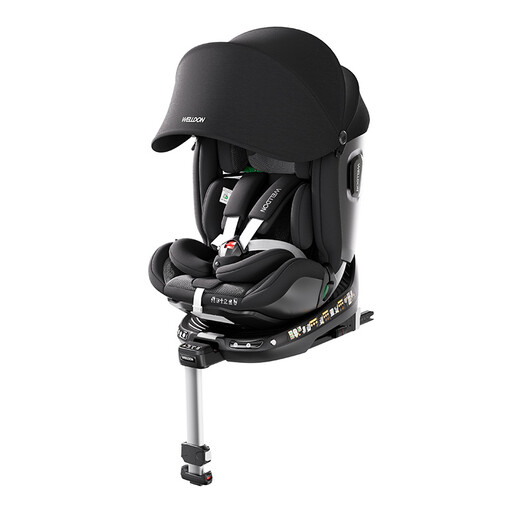
Why it suits this profile: Designed for parents who value installation checks, rotation and multiple adjustment options during the baby and toddler stages.
According to the product description, sensors plus visual and audible signals provide information about the installation. Treat these as helpful aids and always check the fastening yourself.
40–125 cm, ISOFIX with support leg, 360° rotation, multiple recline positions and a removable washable cover.
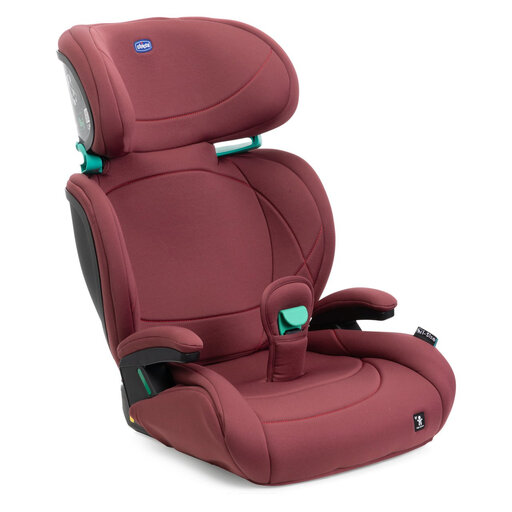
Why it suits this profile: Suitable for families looking for a lightweight child car seat for occasional use or multiple vehicles.
At 4.5 kg, this model is easier to move between vehicles. It uses the 3-point seat belt with marked belt guides, so ISOFIX is not essential.
ECE R129/04, adjustable headrest, two rest positions and removable washable cover.
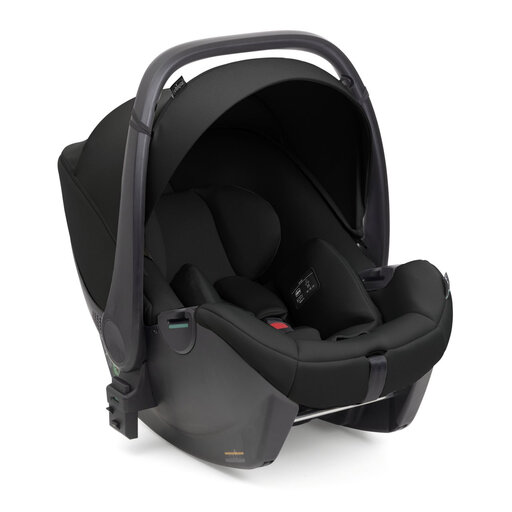
Why it suits this profile: A compact baby car seat for parents looking for a dedicated model for the first stage of life.
The seat is rear-facing only and, according to the product information, can be installed using the car’s seat belt or a separate Full 360 i-Size base.
40–80 cm, infant insert included, ventilation in the shell and sun canopy according to the product description.
A booster seat is suitable only when the child’s height falls within the stated range. Models such as the Chicco Quasar i-Size are intended for 125–150 cm and use the three-point seat belt. An ISOFIX version can optionally be secured with ISOFIX, but the belt is still needed to fasten the child in.
When choosing an i-Size booster seat, look for:
We’ve put together a complete, up-to-date list of products that fully meet these strict selection criteria and the applicable European safety regulations.
The R129 regulations state that children under 15 months must travel rear-facing. Some models also offer a rear-facing position beyond this age. Always check the height limit and requirements for the specific model.
No, it depends on the model and the stage of use. Some seats use ISOFIX with a support leg or Top Tether. Other models may be installed with the three-point seat belt. Check the R129 label and follow the instructions.
Replace a child car seat after a serious accident, even if there is no visible damage. Also regularly check the harness, belt guides, cover, ISOFIX connectors and support leg for wear or damage.
