
Vandaag of morgen in huis

Kwaliteit gegarandeerd

Welkomstaanbiedingen ontgrendelen: GRATIS bezorging | Tot 80% korting | Gratis 30 dagen JoyPlus-proefperiode
Download de app
At first glance, choosing an i-Size car seat seems straightforward. But models vary considerably in height range, installation method, swivel function and length of use. A seat that’s suitable from birth won’t necessarily fit every car or every child.
Three common pitfalls to avoid:
Choosing based on age alone
i-Size car seats are classified mainly by a child’s height, not just their age. Children of the same age can be very different heights.
Assuming a 360-degree rotating car seat is easy to install
A swivel function makes it easier to get your child in and out, but the seat still needs to be secured correctly using ISOFIX, a support leg, Top Tether or the car’s seat belt.
Assuming a wide height range guarantees lasting comfort
A car seat for ages 0–12 can be practical, but the fit for a newborn and an older child is very different. Always check the insert, headrest, harness height and legroom.
An ECE R129 car seat, often referred to as i-Size, is classified according to the child’s height. The product information should also state which direction the child can face and how the seat is installed.
Examples from the range:
According to the product warnings, children under 15 months must travel rear-facing. Always check the manual for your chosen model and the latest installation instructions.
An ISOFIX car seat can be quick and secure to install, but there isn’t the same amount of space around the ISOFIX anchor points in every car. Some models also require a support leg or Top Tether.
Check the following:
For older children, installation using the 3-point seat belt may be possible. Some models then use ISOFIX only for stability, while the seat belt actually secures the child. The product information will state when this applies, according to the child’s height.
An adjustable headrest is useful when it moves up with the harness. Check that the straps sit at the right height on your child’s shoulders and that the harness fits snugly, without a thick coat or extra cushion underneath.
A child car seat with a recline function can be more comfortable on longer journeys. Check how many positions it offers and whether it can recline in both forward- and rear-facing positions.
Practical details also make a difference:
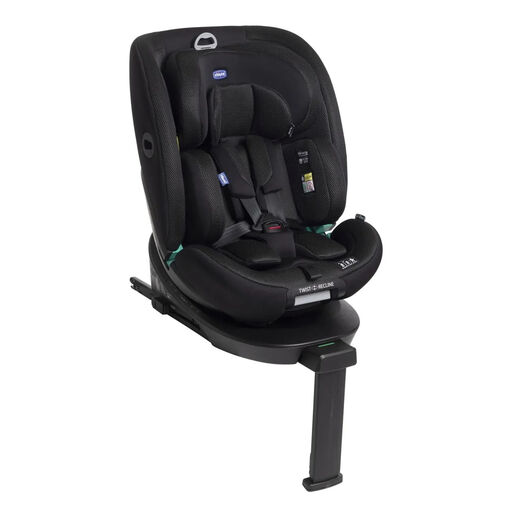
Why it suits this profile: According to the product information, this model is suitable for children from 40–150 cm and from birth. It could be a good option for parents looking for one seat to suit several stages of their child’s growth.
The height range is clearly stated. The seat has ISOFIX, a support leg and installation indicators. Do check that it’s compatible with your car before buying.
ECE R129/03, 360-degree rotation, three recline positions and an adjustable headrest for children from 40–150 cm.
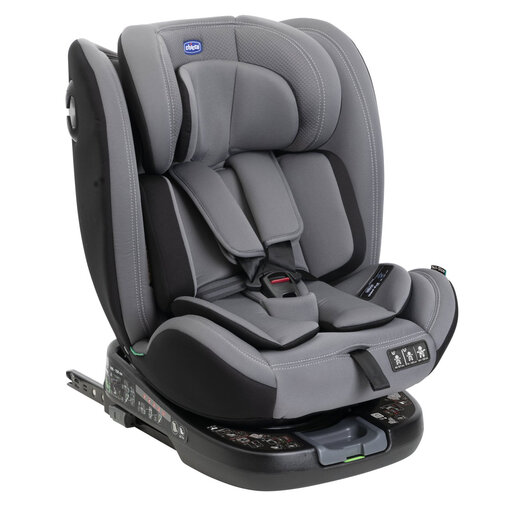
Why it suits this profile: This model combines a baby insert for children up to 60 cm with five recline positions and use up to 150 cm. It’s a good match for families who value comfort and adjustability.
The product information distinguishes between rear-facing and forward-facing use, and explains when the 3-point seat belt can be used.
ECE R129/03, 360-degree rotation, ISOFIX with Top Tether, and a headrest and 5-point harness that adjust together.
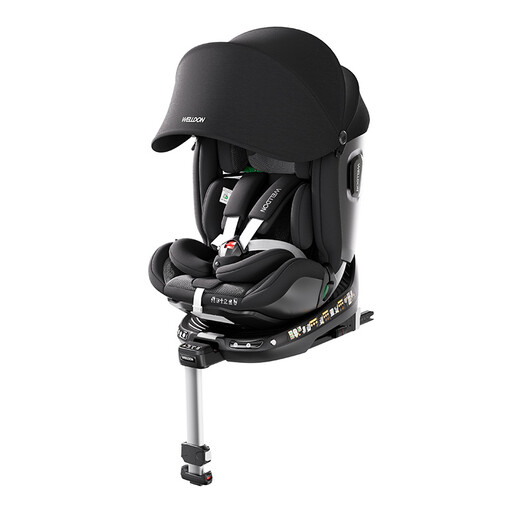
Why it suits this profile: For families who travel by car frequently, the product information lists a height range of 40–125 cm, a swivel function and several installation check features.
According to WELLDON’s own product information, sensors and visual and audible alerts provide feedback on the installation. Always follow the manual; alerts do not replace a check by the user.
ECE R129, ISOFIX with adjustable support leg, 360-degree rotation, baby insert and removable cover, according to the product description.
We’ve put together a complete, up-to-date list of products that meet these strict selection criteria and current European safety regulations.
No. Check the stated height range. A model starting at 40 cm may be suitable from birth, but one starting at 76 cm is intended for older children. A 40–80 cm baby car seat has a different period of use from a car seat for ages 0–12.
Not always. Many i-Size models use ISOFIX, sometimes together with a support leg or Top Tether. For older children, installation using the 3-point seat belt may be permitted. Only use the method specified in the product manual and on the seat.
That depends on the height range and the fit. According to the specifications, a 40–150 cm model can grow with your child until around 12 years, while a 40–125 cm seat will need replacing sooner. Check regularly that your child’s head is still well supported, the harness can be adjusted to fit and they are within the permitted height range. The product warnings state that a car seat must be replaced after an accident, even if there is no visible damage.
