
Vandaag of morgen in huis

Kwaliteit gegarandeerd

Welkomstaanbiedingen ontgrendelen: GRATIS bezorging | Tot 80% korting | Gratis 30 dagen JoyPlus-proefperiode
Download de app
An i-Size car seat may seem easy to choose at first. However, models can vary considerably in their height range, fitting method and ease of use. For example, a seat designed for children from birth to 12 years old won’t automatically fit every car or suit every child. A swivel function can also be handy, but only if the seat is installed correctly and there’s enough room for it to turn.
As Joybuy Product Recommendation Officer, I focus on information you can check: ECE R129 certification, height range, fitting method, direction of travel and adjustability. Marketing terms matter less than the details in the manual and product specifications.
Age ranges in product titles are guidelines. ECE R129 child car seats are primarily classified by a child’s height. So always check the minimum and maximum height, such as 40–150 cm or 76–150 cm. Children of the same age can vary considerably in height and build.
A swivel car seat can make it easier to secure your child. However, a 360-degree car seat usually takes up more room than a fixed model. Check:
A car seat for ages 0–12 may seem like good value, but the way you use it changes as your child grows. A baby needs different support from a child who is 120 cm tall. Look for a removable insert, adjustable headrest height, harness adjustment options and permitted directions of travel.
A booster seat or i-Size booster seat is suitable only when your child is within the stated height range and the three-point seat belt fits correctly across their shoulder and pelvis.
ECE R129 is a European approval standard for child car seats. i-Size models are classified by height, and the standard includes requirements for installation and side-impact testing. The exact approval varies by product, for example ECE R129/03 or ECE R129/04.
Check the product label and manual for:
Product information from various brands may say that a seat offers extra protection or improved crash performance. These claims come from the manufacturer and don’t guarantee a particular outcome in an accident. Correct installation and use in line with the manual are still essential.
An ISOFIX car seat clips directly onto anchor points in the car. This can make installation easier, but ISOFIX isn’t available in every car. Some models also use:
Don’t rely on the word “ISOFIX” in the title alone. Check whether the seat uses ISOFIX on its own, requires a Top Tether or needs a support leg.
A car seat suitable from birth usually starts at around 40 cm. A toddler car seat might start at 76 or 100 cm, for example. For taller children, the seat often becomes a booster with a backrest or a booster cushion.
Look for:
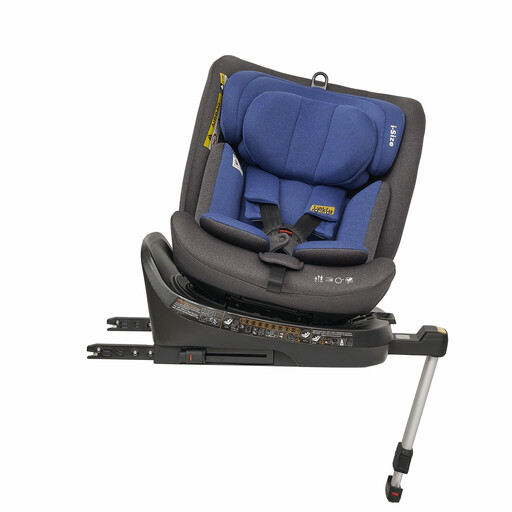
Why it suits this profile: The 40–150 cm range makes it suitable for parents looking for one seat to use from infancy to around 12 years old, provided they follow the manual and adjust it as their child grows.
The product information specifies ISOFIX, a support leg, 12 headrest positions and a 40–150 cm height range. This makes the relevant information about your child’s growth clearer than an age range alone.
360° swivel, adjustable backrest, removable cover and a 40–150 cm range according to the product description.
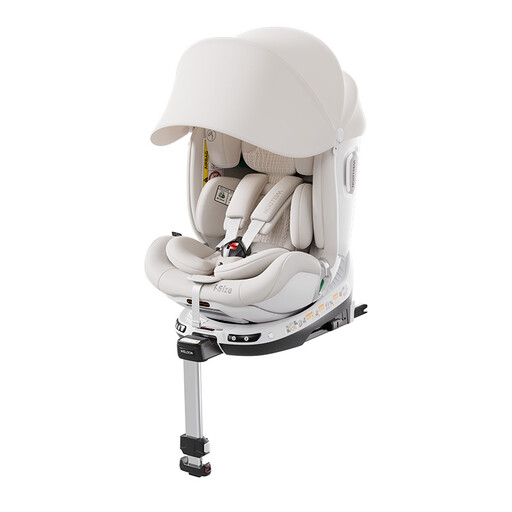
Why it suits this profile: This model is aimed at parents who value installation indicators, adjustability and clear specifications for use from 40–125 cm.
The model specifies ISOFIX, an adjustable support leg, a 90° door-stop function and a 40–125 cm range. WELLDON’s own information says that sensors check the installation; check the manual and app requirements for details.
i-Size according to the product information, one-button rotation, multiple recline positions and a removable cover.
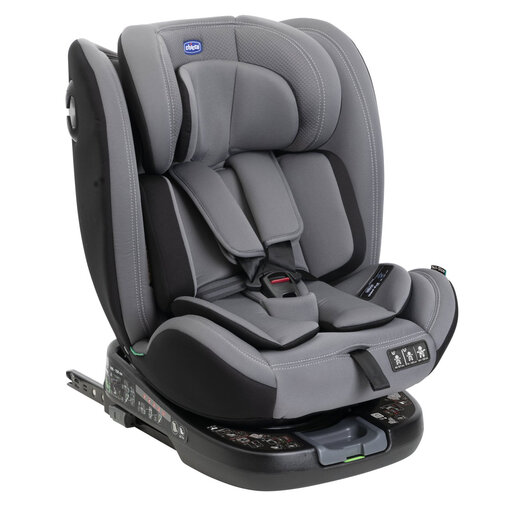
Why it suits this profile: With five recline positions and a 40–150 cm range, this model suits families who regularly make longer journeys and want one seat to cover several growth stages.
The product details specify which fitting method is used at each stage: ISOFIX, Top Tether, harness or three-point seat belt. This avoids assuming that one fitting method is used for every age.
360° rotation, five recline positions, a five-point harness up to 105 cm and installation with a three-point seat belt from 100 cm, according to the product specifications.
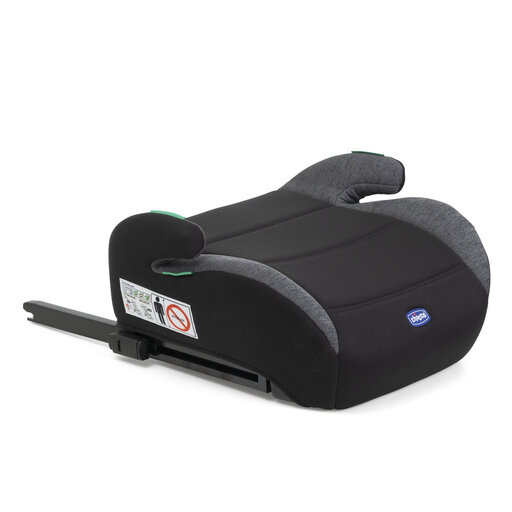
Why it suits this profile: This booster seat is designed for children measuring 125–150 cm. It’s a practical choice for a second car, a childminder’s car or older children who no longer need a baby insert.
The product information clearly states 125–150 cm and installation using the three-point seat belt. ISOFIX is optional, so you don’t automatically need a car with ISOFIX.
ECE R129/04, belt guide, soft armrests, removable cover and optional ISOFIX connectors.
We’ve put together a complete, up-to-date list of products that meet these strict selection criteria and current European safety requirements.
It varies by model. A baby car seat often starts at around 40 cm, while a toddler seat might start from 76 cm, for example. Always check the official height range on the product label and in the manual.
That depends on the maximum height and permitted fitting method. Models covering 40–150 cm can accommodate several growth stages. A model covering 100–150 cm or 125–150 cm is designed for older children only. Replace a car seat after a serious accident, even if there’s no visible damage.
No. Some booster seats use only the three-point seat belt. Other models have ISOFIX as an optional stabilising feature. The belt must always follow the indicated route, lie flat and fit across the shoulder and pelvis. Before use, consult the manuals for both the seat and the car.
