
Vandaag of morgen in huis

Kwaliteit gegarandeerd

Welkomstaanbiedingen ontgrendelen: GRATIS bezorging | Tot 80% korting | Gratis 30 dagen JoyPlus-proefperiode
Download de app
An i-Size car seat may seem easy to choose at first. However, models vary considerably in their height range, installation, swivel function and suitability for different stages of your child’s growth. A seat for 40–150 cm, for example, may be suitable from birth, but that doesn’t automatically mean every position or installation method can be used from day one.
So look out for these common pitfalls:
A child car seat approved to ECE R129 states the permitted height range, for example 40–150 cm or 76–150 cm. This makes it easier to compare seats than relying solely on groups or ages.
A lower limit of 40 cm is common for a car seat from birth. Check:
According to the product specifications for several models in this range, children under 15 months must travel rearward-facing. Always follow the manual for the specific model.
An ISOFIX car seat attaches to anchorage points in the car. This can make installation easier, but first check whether your car has ISOFIX and whether the seat can be used in that seating position.
Also check the type of additional anchorage:
After installation, check that the indicators show the correct position. A seat that physically fits in the car is not necessarily installed correctly.
A car seat with a recline position can be useful on longer journeys, but check how many positions it has and which positions are permitted for your child’s height. Not every model offers a deep recline, or one that can be used in both directions of travel.
Practical points that are often overlooked:
A washable car seat is handy for everyday use, but only remove the cover as instructed. Don’t use extra cushions or bulky clothing under the harness, as this can affect the fit.
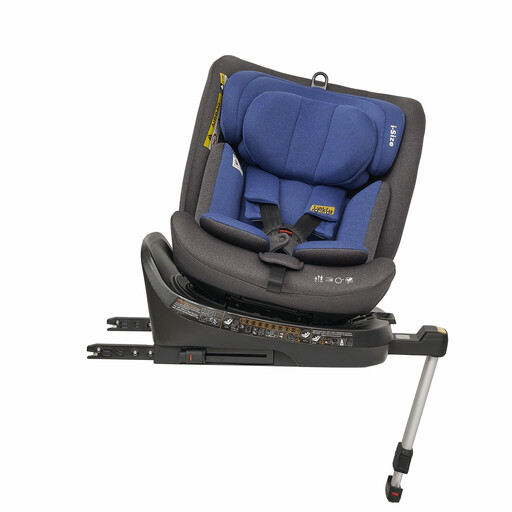
Why it suits this profile: According to the product specifications, this model is designed for 40–150 cm and combines ISOFIX with a support leg. It could suit families looking for one car seat that grows with their child through different stages.
The height range is clearly stated. Check the correct direction of travel, inserts and harness adjustment for each stage.
40–150 cm, 360° rotation, 12 headrest height settings and a removable, washable cover, according to the product information.
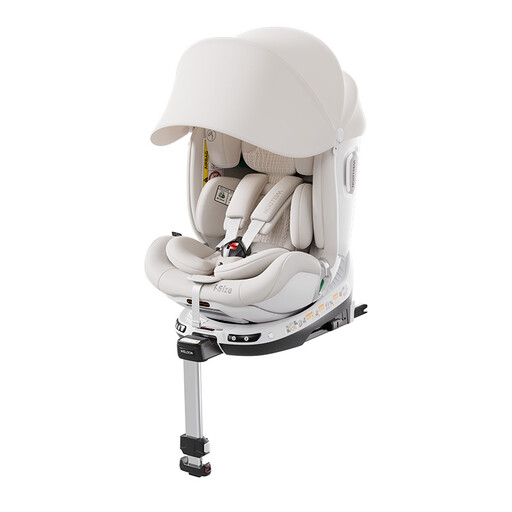
Why it suits this profile: The product description says this i-Size seat is designed for 40–125 cm and features ISOFIX, a support leg, several recline positions and a 360° swivel function.
This model isn’t listed as a seat for ages 0–12; its upper limit of 125 cm makes its intended period of use clearer.
The brand lists 8 sensors to help check installation. It also has a newborn insert, adjustable recline positions and a washable cover.
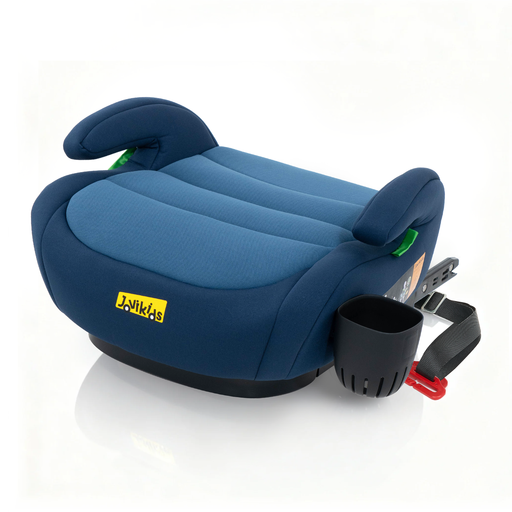
Why it suits this profile: According to the specifications, this ISOFIX booster seat is designed for 125–150 cm. It’s therefore suitable for older children who no longer need an infant or toddler seat.
This seat isn’t designed for young children. The clear 125–150 cm height range helps you avoid choosing a seat that’s too large for a small child.
ISOFIX installation, a seat cushion described as extra thick, a cup holder and a removable, washable cover.
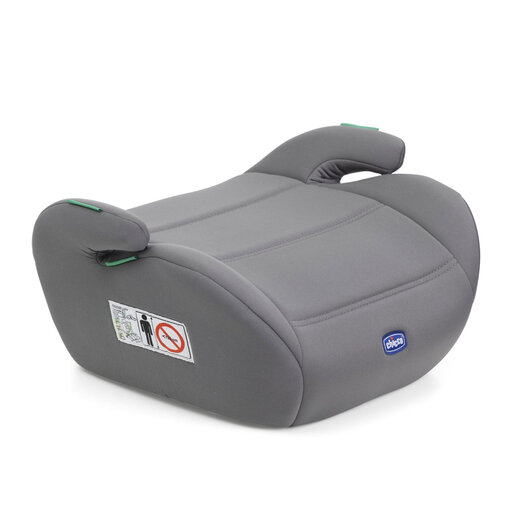
Why it suits this profile: According to the product information, this compact booster seat is suitable for 125–150 cm and is installed using the three-point seat belt. This model doesn’t require ISOFIX.
You don’t need ISOFIX points in your car. Take extra care to position the diagonal belt correctly, and never use the lap belt on its own.
ECE R129/04, a belt guide, soft armrests and a removable, washable cover; the stated weight is 1 kg.
We’ve put together a complete, up-to-date list of products that meet these strict selection criteria and the current European safety regulations.
Not necessarily. Check whether your car has ISOFIX anchorage points and whether a support leg can rest securely on the floor. If you’re installing the seat with a Top Tether, the correct anchorage point must be available. Also check the vehicle list and the manufacturer’s manual.
How long you can use a seat depends on its maximum height limit, wear and tear, and its condition. A seat suitable up to 150 cm may cover several stages of your child’s growth, but check the harness, buckle, cover and attachment points regularly. After a serious accident, replace the car seat in accordance with the safety instructions, even if there’s no visible damage.
A booster seat is suitable only when your child is within the stated height range. Many i-Size booster seats are designed for 125–150 cm. The three-point seat belt should lie flat across the shoulder and pelvis, not against the neck or stomach. So check how it fits in your car rather than relying on age or weight alone.
