
Vandaag of morgen in huis

Kwaliteit gegarandeerd

Welkomstaanbiedingen ontgrendelen: GRATIS bezorging | Tot 80% korting | Gratis 30 dagen JoyPlus-proefperiode
Download de app
Choosing an i-Size car seat seems straightforward until you compare the different height categories, ISOFIX, belt fitting and swivel functions. A seat that looks suitable for years on paper won’t necessarily fit every car or every stage of your child’s growth.
So don’t base your decision solely on an attractive price or a broad age range. The right choice depends above all on your child’s height, the fittings available in your car and how you’ll use the seat day to day.
A car seat suitable from birth is often labelled with an age range, but with i-Size, height is the key factor. An infant car seat, for example, may be suitable from 40 to 80 or 87 cm, while a booster seat is usually intended for children from 100 or 125 cm.
Always check:
An ISOFIX child car seat uses fixed anchor points in the car. This can make fitting the seat easier, but not every seat or car is suitable for every combination of ISOFIX, support leg and Top Tether.
Some ISOFIX models can also be used with a 3-point seat belt. Check the manuals for both your car and the seat to make sure. A seat belt-fitted car seat is especially practical if you regularly move the seat between different cars.
A 360-degree car seat can make getting your child in and out easier, but the swivel function needs room. In a small car, a wide seat may press against the door or front seat. Measure the available space and check that the support leg can rest securely on the floor.
A swivel function is a practical benefit, not a substitute for correct installation. Check the fitting indicators and belt path every time you install the seat.
An ECE R129 car seat is classified according to the child’s height, rather than weight alone. The standard includes requirements for side-impact testing and states that children under 15 months must travel rear-facing when using a seat approved for this.
Note the difference between:
An approval label shows that the product has been approved to the stated standard. It does not guarantee proper protection if the seat is installed incorrectly.
Check the full installation instructions:
The belt should lie flat, without twists, and sit across the shoulder, chest and hips. Never use a lap belt on its own if the manual specifies a 3-point seat belt.
An adjustable car seat can be practical, but check that it fits your child properly at every stage. Key features include:
Thick coats or extra cushions under the harness can affect the fit. Only use accessories approved by the manufacturer.
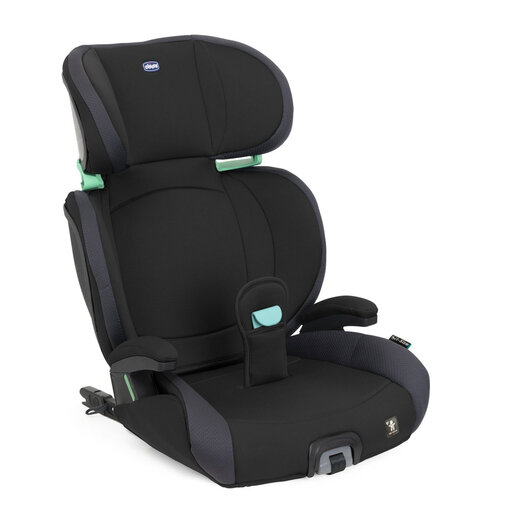
Why it suits this profile: This high-back booster seat is designed for children from 100–150 cm and can be used with ISOFIX and a 3-point seat belt, or with the vehicle seat belt alone.
The height range is clearly stated. As the seat can be installed without ISOFIX, it doesn’t rely on ISOFIX anchor points being available in every car.
ECE R129/04, adjustable headrest, two recline positions and a belt guide.
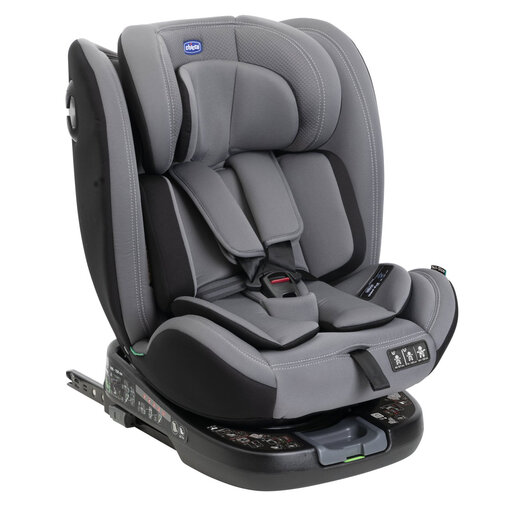
Why it suits this profile: For parents looking for one system to cover several stages of their child’s growth. According to the product specifications, this model is suitable from 40 to 150 cm, with rear-facing installation for young children.
The different fitting methods and growth stages are explained separately. This makes it clear when to use the 5-point harness, Top Tether and vehicle seat belt.
360-degree rotation, five recline positions, ISOFIX with Top Tether and an insert for young babies.
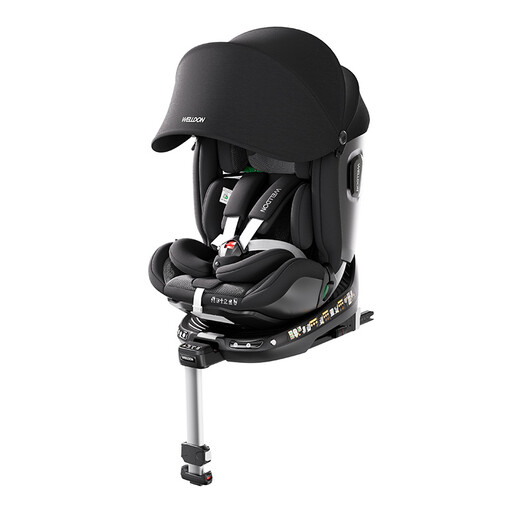
Why it suits this profile: An option for families who drive every day and value a swivel function, multiple recline positions and installation checks. The product information states that it’s suitable from 40–125 cm.
The seat combines ISOFIX with a support leg and, according to the product information, provides visual and audible installation alerts. Always check these features as instructed in the manual.
360-degree rotation, adjustable support leg, multiple recline positions and removable cover.
We’ve put together a complete, up-to-date list of products that meet these strict selection criteria and current European safety regulations.
That depends on the height category. An infant car seat, for example, may be used up to 80 or 87 cm. According to the product specifications, an adjustable car seat may be suitable up to 150 cm, but the fitting method, direction of travel and belt often change as your child grows. So check the fit regularly.
No, not for every model. Some seats use ISOFIX with Top Tether or a support leg. Others can be secured with a 3-point seat belt. A 125–150 cm booster seat, for example, may use only the vehicle seat belt. Always follow the fitting options for the specific model.
A high-back booster seat is suitable once your child is within the stated height category, for example 100–150 cm or 125–150 cm. The diagonal belt should cross the shoulder, and the lap belt should sit low across the pelvis. If the belt doesn’t fit properly, your child isn’t ready for this type of seat.
