
Vandaag of morgen in huis

Kwaliteit gegarandeerd

Welkomstaanbiedingen ontgrendelen: GRATIS bezorging | Tot 80% korting | Gratis 30 dagen JoyPlus-proefperiode
Download de app
Choosing a car seat for your child can feel like navigating a maze. Safety is paramount, but you also want convenience and a seat that will last. You're bombarded with terms: i-Size, ISOFIX, R129. What do they mean, and what should you look for?
As a Joybuy Product Recommendation Officer, I'm here to guide you. In this guide, we'll break down the information and offer practical advice to help you make a choice that fits your family and your vehicle. We'll highlight some popular choices for 2026, based on their specifications and ease of use.
Before we look at specific products, here are three key points to guide your search.
The ECE R129 regulation, better known as i-Size, is the latest European safety standard for car seats. Unlike the older R44 standard, which classifies children by weight, i-Size uses the child's height. This ensures a much better fit.
Key advantages of i-Size include:
An ISOFIX car seat clicks into special anchor points built into the car's chassis. This system creates a rigid and stable connection between the car seat and the vehicle itself, without needing to use the car's seatbelt for installation. Most cars built after 2012 come standard with ISOFIX. It's a simple and secure way to install a child seat.
Children grow quickly. A multi-stage car seat is a smart investment. These seats are adjustable and adapt to your child's growth, sometimes from birth all the way to 12 years old (a 0-12 years car seat). This saves you from having to buy a new seat every few years.
A 360-degree rotating car seat also offers incredible everyday convenience. You can turn the seat towards the car door to easily get your child in and out. This is not only more comfortable for you but also better for your back.
Below is a selection of car seats that stand out for their i-Size certification, functionality, and ease of use.
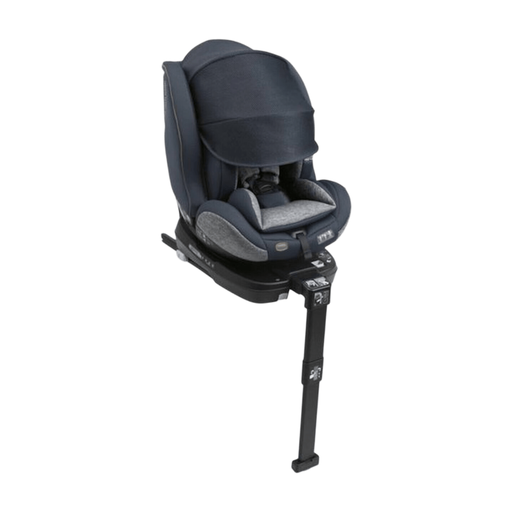
Why it stands out: A versatile seat that grows with your child from birth to around 7 years, featuring a convenient 360° rotation system and extra attention to comfort on warm days.
Key Features:
Who is it for? Parents looking for a single, safe, and comfortable solution from birth until primary school age.
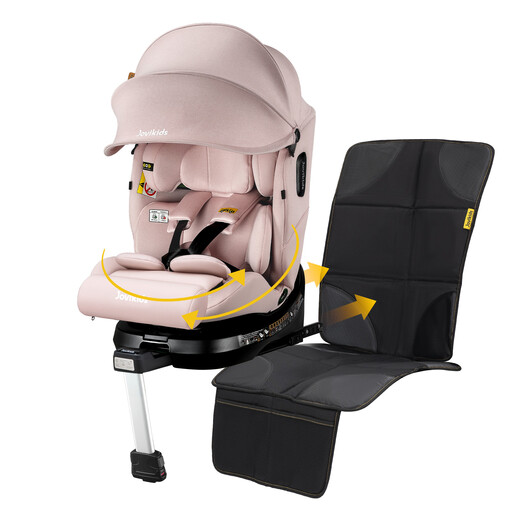
Why it stands out: This seat offers an exceptionally long lifespan, from birth to 12 years, and combines key i-Size features with an attractive price point.
Key Features:
Who is it for? Families and grandparents looking for a flexible, cost-effective seat that grows with the child (or various grandchildren).
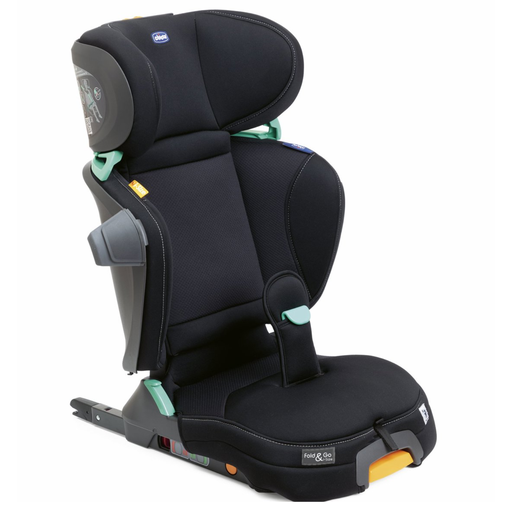
Why it stands out: A practical and safe booster seat for older children that folds compactly, making it ideal for travel or for when the seat isn't always kept in the car.
Key Features:
Who is it for? Parents of children from around 3 years old who need a safe, adjustable, and easy-to-store booster seat.
Every family and car is different. If these recommendations aren't exactly what you're looking for, don't worry. Many other options are available that might better suit your specific needs.
Explore our full range for more choices in baby car seats.
These are two different things that often work together. i-Size (ECE R129) is a safety standard that sets requirements for the performance and design of a car seat. ISOFIX is an internationally standardised attachment system in the car itself, consisting of metal anchor points. An i-Size car seat almost always uses ISOFIX for installation because it reduces the chance of errors.
According to the i-Size standard, rear-facing travel is mandatory until a minimum age of 15 months and a height of 76 cm. However, safety organisations recommend doing this for as long as possible, ideally until the age of 4. The neck muscles of young children are not yet fully developed, and a rear-facing position offers the best protection in a frontal collision.
Although i-Size is designed to be universal, it is not guaranteed that every seat will fit in every car. Most cars produced after 2012 have ISOFIX anchor points. However, it is always wise to check your car's manual and the car seat manufacturer's compatibility list. Also, pay attention to the space the seat takes up, especially in a rear-facing position.
