
Same-day & Next-day Delivery

Quality Guaranteed

Unlock Your Welcome Offers: FREE Delivery | Up to 80% OFF | Free 30-day JoyPlus trial
Download the APP
A hydrogel face mask can turn a simple skincare moment into a treat for dry, dull or tight-feeling skin. However, not every gel face mask is the same. Some masks are designed to be worn for 15 to 20 minutes, while others can be left on for several hours or even overnight. The number of masks in a pack, the ingredients and any potential fragrance ingredients can also make a difference.
If you focus only on terms such as “glass skin”, “anti-ageing” or “intensive action”, it is easy to buy a product that does not suit your skin or routine.
Words such as “firming”, “restoring” and “for fine lines” usually describe a product’s intended use. They are not a guarantee of lasting cosmetic results. Collagen in a collagen face mask, for example, may help leave the skin feeling supple and hydrated, but it is not a replacement for professional treatment.
Results from consumer tests or brand research should also be interpreted in context. According to research conducted by some brands, for example, participants reported smoother or more radiant-looking skin. This does not mean that every user will achieve the same result.
A brightening face mask containing vitamin C, kojic acid, retinol or fragrance may seem appealing for a dull complexion. However, active ingredients may be less suitable for sensitive or irritated skin. Always check the full ingredients list and, if in doubt, carry out a patch test on a small area of skin first.
A pack containing ten sheet masks may seem like good value, but the format is just as important. A mask that stays on for 15 minutes suits a short evening routine. A hydrogel mask that needs two to three hours requires more planning. Calculate the price per use and check the recommended wear time.
A traditional Korean face mask or sheet mask is usually worn for 10 to 20 minutes. Some water-gel and jelly masks change colour or become transparent when left on the skin for longer. Always follow the instructions on the packaging: leaving a mask on for longer is not automatically better. Do not leave a mask on if your skin starts to tingle, sting or itch.
A gel mask should fit securely without constantly slipping out of place. Also check:
Cleanse your face before use, apply toner if desired and gently pat any remaining essence into the skin afterwards. Rinse your skin if instructed on the packaging. Never reuse a sheet mask.
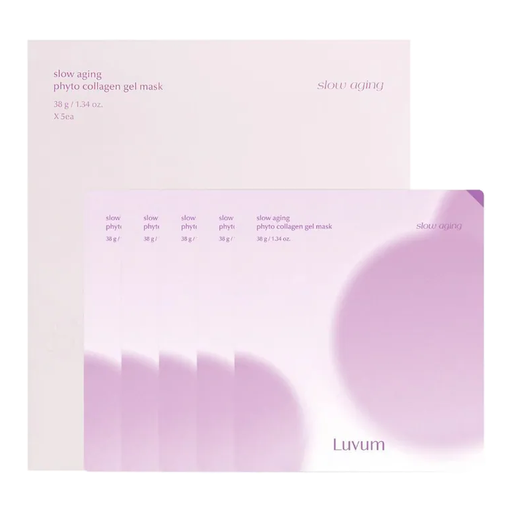
Why it suits this profile: The box contains 5 gel masks, making it suitable for anyone who wants to try using them regularly without immediately buying a large supply.
The 15–20-minute wear time and the number of 5 sheets are clearly stated. This means you can estimate the routine and price per use in advance.
Plant-based collagen, hyaluronic acid and glycerine; recommended use 2–3 times a week.
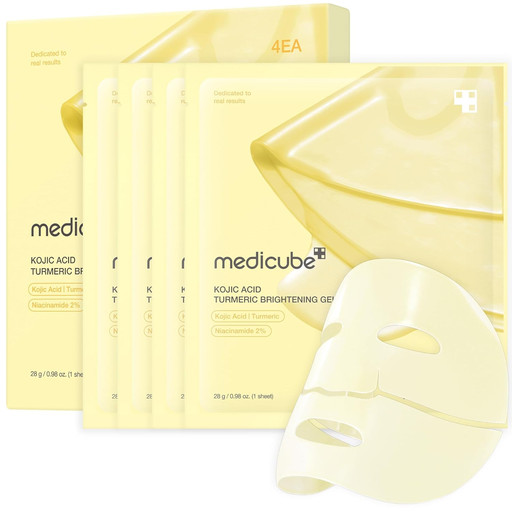
Why it suits this profile: The 4 masks are designed for a longer daytime treatment or as an overnight mask, making them suitable for a planned weekly skincare session.
The packaging states a wear time of 3–4 hours or overnight use. Following these instructions prevents confusion with a short-wear sheet mask.
According to the ingredients list, it contains niacinamide, kojic acid, turmeric, collagen and retinol, among other ingredients; use sun protection and carry out a patch test beforehand.
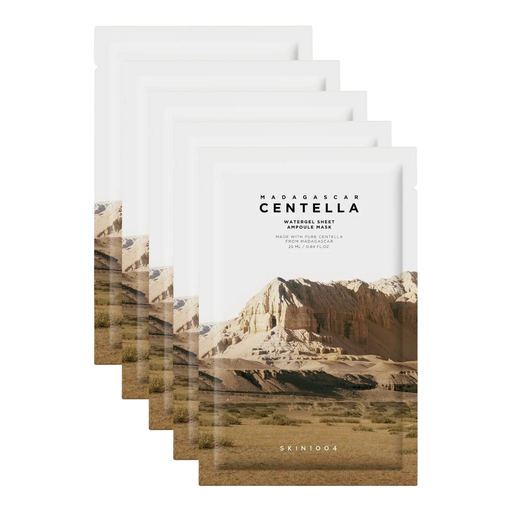
Why it suits this profile: The formula is designed to leave skin feeling hydrated and comfortable, while the set contains 5 sheets for repeated use.
The product information states a use time of 15–20 minutes and provides a clear ingredients list. However, always check the full packaging yourself if you have known allergies.
Centella asiatica extract, glycerine and several forms of hyaluronic acid; a practical choice for a short skincare session.
We have put together a complete, up-to-date list of products that fully meet these strict selection criteria and the applicable European safety regulations.
This depends on the product instructions and how your skin reacts. Many masks recommend using them two to three times a week, while others are intended for a weekly skincare session. Stop if you experience tingling, stinging, itching or redness, and do not use the mask on damaged skin.
An unopened mask remains usable until the date shown on the packaging, provided it is stored correctly. An opened sheet mask is generally intended for single use. Store unused masks sealed, in a cool place and away from direct sunlight. Always check the packaging for specific instructions.
No. Consider the price per sheet, the amount of essence, the wear time and the ingredients that suit your skin’s needs. A cheaper mask that you enjoy using correctly may be more practical than an expensive product left unused in the cupboard.
