
Vandaag of morgen in huis

Kwaliteit gegarandeerd

Welkomstaanbiedingen ontgrendelen: GRATIS bezorging | Tot 80% korting | Gratis 30 dagen JoyPlus-proefperiode
Download de app
A tight-feeling face, dry elbows or dull skin after showering: hydrating skincare can help your skin feel more comfortable. However, the most expensive cream is not automatically the right choice. Marketing terms such as “deep hydration”, “repair” and “glow” mean little if you do not consider the formula, how it is used and whether it suits your skin.
In this buying guide, you will learn what to look for in a face cream, body lotion, hydrating toner or moisturiser. You will then find product suggestions for different situations.
Brands often use terms such as “long-lasting hydration”, “restores the skin barrier” or “soothing skincare”. Such claims are not universally applicable. According to Clinique’s own research, the Moisture Surge formula provides up to 100 hours of hydration. This is a brand claim and does not guarantee that every user will experience the same result.
So, also look for verifiable information:
Perfume and fragrances can make a product more pleasant to use, but they are not suitable for everyone. The ingredients list of some body lotions includes perfume and individual fragrance allergens, such as limonene, linalool or geraniol. If you have sensitive skin, always check the full INCI list and consider testing the product on a small area of skin first.
An unperfumed or fragrance-free option may be more practical if you already use several products or your skin quickly starts to feel tight.
Hyaluronic acid cream, Centella Asiatica and aloe vera often feature in product names. However, the presence of one ingredient does not tell you everything. The rest of the formula also affects how a product feels and how well it fits into your daily skincare routine.
A toner may provide a light layer of moisture, while a cream or body butter may contain more soothing and occlusive ingredients. For dry skin, the combination of humectants, oils, butters and skin-identical ingredients is often more relevant than one eye-catching ingredient on the front of the packaging.
A gel cream usually feels light and suits people who do not want a heavy layer on their skin. A classic face cream or body cream is often richer. A body lotion spreads easily over large areas, while a body butter can be suitable for dry areas such as knees, elbows and heels.
Do not automatically use a body product on your face. Facial skin may react differently to perfume, oils or exfoliating ingredients.
Common humectants include glycerine, betaine, panthenol and hyaluronic acid. According to the product information, Isntree uses five forms of hyaluronic acid, as well as argan oil, apricot kernel oil, ceramide NP and panthenol. This makes the formula interesting for anyone looking for a moisturiser with several hydrating components.
For the body, shea butter, mineral oil, dimethicone or plant oils can leave the skin feeling supple. Suitability depends on whether you prefer a light or richer finish.
Check the packaging for the expiry date, batch information and the period after opening, for example 6M or 12M. Do not use a product on damaged skin if the packaging advises against it. When using a toner with acids, such as AHA or LHA, pay particular attention to the directions for use and protection from the sun.
Stop using the product if you experience irritation, redness, itching or a burning sensation. A patch test is advisable if you have sensitive skin or allergies, or are trying a new formula. Product information is not a substitute for medical advice.
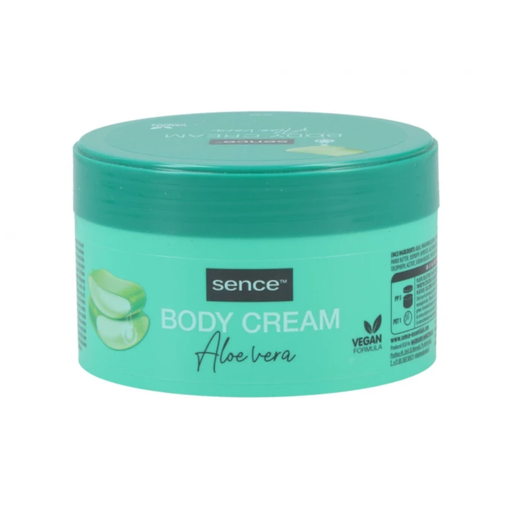
Why it suits this profile: A straightforward 200 ml body cream for anyone who wants to keep daily body care simple.
The product information clearly states the product type, aloe vera variant and volume. However, check the packaging if you have sensitive skin, particularly because fragrance is listed.
Body cream; 200 ml; aloe vera listed as an ingredient in the product description.

Why it suits this profile: A lightweight gel cream for anyone looking for a well-cared-for complexion without fragrance, alcohol or a heavy texture.
The formula is described as alcohol-free, fragrance-free and non-comedogenic. The claim of up to 100 hours of hydration is based on Clinique’s own research; do not regard it as a guaranteed result for every skin type.
Gel cream for the face; 30 ml; suitable for dry, very dry, combination and oily skin according to the product information.
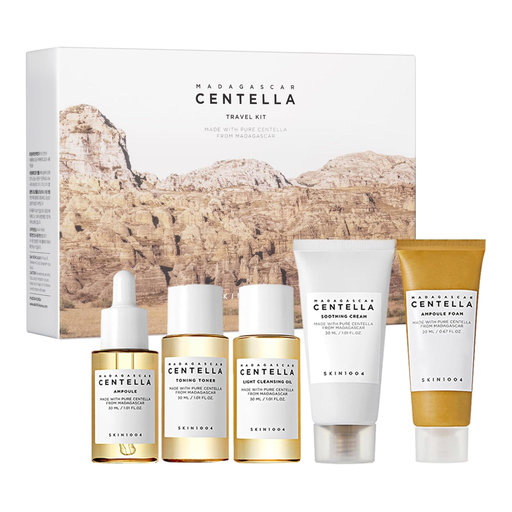
Why it suits this profile: Ideal for skincare enthusiasts who want to build a complete Korean skincare routine with cleansing, toner, ampoule and cream.
The product information explains the steps and order of use. Check the full ingredients list, as it includes fragranced oils in the cleansing product.
Set of 5 products; 450 ml in total; contains Centella Asiatica, glycerine, hyaluronic acid and ceramides according to the supplied ingredient information.
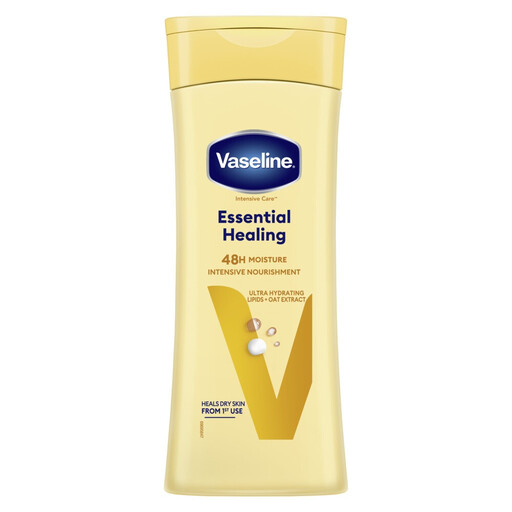
Why it suits this profile: The large 400 ml bottle is well suited to daily use on dry or rough body skin.
The ingredients list is provided, allowing you to check fragrance and other components in advance. The product page mentions daily use and quick absorption.
Body lotion; 400 ml; contains glycerine, petrolatum, dimethicone and oat extract, among other ingredients, according to the product information.
We have put together a complete, up-to-date list of products that fully meet these strict selection criteria and the applicable European safety regulations.
Start with a gentle cleanser, followed by a hydrating toner or serum if you prefer. Then apply a face cream. During the day, this should be followed by sun protection. For the body, a body lotion or body cream is most practical immediately after showering, while the skin is not yet completely dry.
Start by looking for a short ingredients list and check for perfume, essential oils and known allergens. Introduce one new product at a time and test it on a small area of skin. A product described as “natural”, “Korean skincare” or “clean beauty” is not automatically suitable for every sensitive skin type.
Follow the expiry date and the stated period after opening shown on the packaging. Store a cream or toner somewhere cool and away from direct sunlight, close the packaging properly and do not use a product if its smell, colour or texture has clearly changed. The recommended period of use varies by product and packaging.
