
Vandaag of morgen in huis

Kwaliteit gegarandeerd

Welkomstaanbiedingen ontgrendelen: GRATIS bezorging | Tot 80% korting | Gratis 30 dagen JoyPlus-proefperiode
Download de app
A hydrating gel cream for the face is popular because it feels light on the skin and usually absorbs quickly. This makes a face gel suitable under make-up, after exercise or on warm days. However, not every gel cream is automatically right for your skin type. Dry skin needs something different from oily or sensitive skin.
As a Joybuy Product Recommendation Officer, I filter product information based on verifiable features, such as size, fragrance-free claims, oil-free formulas and stated skin types. This helps you avoid relying solely on an eye-catching marketing promise.
Brands sometimes claim 24, 48, 72 or even 100 hours of hydration. Based on the brand’s own research or a stated instrumental test, such a result may have been recorded under specific conditions. It does not automatically indicate how long your skin will feel comfortable after cleansing, showering, exercising or being exposed to cold weather.
So also check:
A gel texture can contain silicones, oils or emollients. That is not necessarily a bad thing, but it does affect how the product feels on the skin. If you are looking for an oil-free face cream for oily skin, check this explicitly in the product specifications.
A hydrating gel cream can also leave a radiant finish. This may suit someone with tight-feeling skin, but it may be less suitable if you want a matte look during the day.
A product description may state that a formula is suitable for all skin types, while still containing fragrance, essential oils or alcohol. If you have sensitive skin, it is sensible to check the full ingredients list and apply a small amount to a limited area of skin first.
Stop using the product if irritation occurs. If symptoms persist, seek advice from a doctor or pharmacist.
A light face cream or face gel will generally absorb more quickly than a rich cream. Pay attention to the description:
If you are prone to an oily feeling, look for “oil-free”, “non-greasy” or non-comedogenic face cream. A non-comedogenic claim is a product specification, not a guarantee that everyone will have the same experience.
Commonly used hydrating ingredients include:
A hyaluronic acid face cream is therefore not automatically richer or longer-lasting in its hydrating effect. Also consider the rest of the formula and the amount of product. A 100 ml pot or tube may last longer with daily use than a 30 or 40 ml pack.
If you prefer to avoid fragrance, products marked “fragrance-free” or “parfumvrij” in the specifications are useful for comparison. Remember that “natural” does not mean fragrance-free: plant-based fragrance ingredients may still be present.
For a gel cream for sensitive skin, a short ingredients list, a fragrance-free formula and a simple routine are often relevant selection criteria. For a gel cream for oily skin, a lightweight texture, oil-free formula and non-comedogenic claim may be more important.
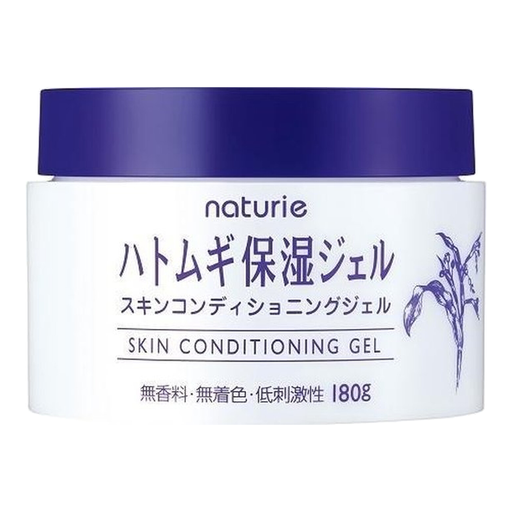
Why it’s a good fit: The large 180 g pack is practical for daily use on the face and body, for example during warm Dutch summer days.
The product information describes a fast-absorbing, fragrance-free and oil-free texture. Always check the current label, however.
180 g capacity, listed as fragrance-free and designed for daily use on the face and body.

Why it’s a good fit: Suitable if you are looking for a fragrance-free gel cream that can also be used under make-up or as a short-term mask.
The product details state that it has an oil-free, alcohol-free and fragrance-free formula. The stated 100-hour hydration claim comes from the brand; do not treat it as a personal guarantee.
75 ml capacity, listed as fragrance-free and suitable for dry, very dry, combination and oily skin according to the product information.
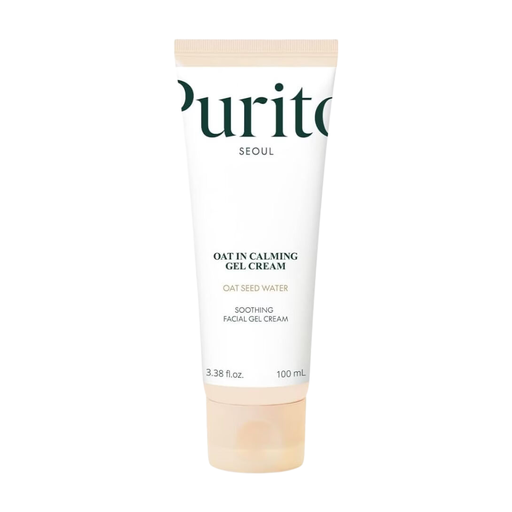
Why it’s a good fit: According to the product description, this lightweight gel cream contains 77% oat seed water and is designed for daily use with different skin types.
The formula contains no fragrance listed in the ingredients list and has a lightweight texture. Always check the label if you have allergies.
100 ml capacity, with panthenol, squalane and beta-glucan in the stated formula.
We’ve put together an up-to-date selection of skin-conditioning gels in a range of textures, sizes and formulations.
If you have dry skin, a gel cream can work well as the first hydrating layer. If your skin still feels tight afterwards, applying a richer cream over it may be more suitable. For oily skin, a thin layer is often enough.
Often, yes, particularly when the formula is described as lightweight, oil-free and non-comedogenic. Also check whether it contains fragrance or other ingredients you prefer to avoid. A gel cream hydrates the skin, but is not intended to treat acne.
Check the use-by date and the open-jar symbol, such as 12M. Close the packaging securely, store it in a dry place away from direct sunlight, and look out for changes in scent, colour or texture. Always follow the instructions on the packaging.
That depends on your skin and the climate. During a dry Dutch winter, an additional nourishing layer may feel comfortable. For oily or combination skin, a lightweight moisturising gel cream may feel sufficient on its own. Test the combination first to avoid stickiness or pilling under make-up.
