
Vandaag of morgen in huis

Kwaliteit gegarandeerd

Welkomstaanbiedingen ontgrendelen: GRATIS bezorging | Tot 80% korting | Gratis 30 dagen JoyPlus-proefperiode
Download de app
A hydrating gel cream for the face feels lightweight, sinks in quickly and works well as part of a daily routine. However, not every gel face cream is suitable for every skin type. A product may feel pleasantly fresh, yet still provide too little comfort for dry skin. A “light” moisturiser may also contain ingredients that do not suit your preference for fragrance-free, oil-free or non-comedogenic products.
Above all, avoid these three common buying mistakes:
A lightweight gel cream spreads easily and is usually suitable for use under make-up. For oily or combination skin, an oil-free face cream may feel comfortable because the formula feels less heavy. However, “oil-free” does not mean that a product contains no nourishing or protective ingredients.
For dry skin, a gel cream containing glycerine, squalane, dimethicone or ceramides may provide greater comfort. A watery gel without occlusive ingredients may feel insufficient more quickly on dry skin, particularly in winter or in rooms with dry heated air.
If you are looking for a face cream with hyaluronic acid, look out for ingredients such as sodium hyaluronate or hyaluronic acid. Glycerine, panthenol, betaine and saccharide isomerate are other commonly used ingredients in hydrating formulas.
For sensitive skin, a short, clear ingredients list is often practical. If you prefer to avoid fragrances, choose a moisturiser for sensitive skin that is preferably fragrance-free. A product labelled “natural” or “Korean skincare gel cream” is not automatically gentler; always check the full ingredients list.
“Non-comedogenic”, “dermatologically tested” and “hypoallergenic” are product characteristics as stated by the manufacturer or seller. They do not guarantee that every skin type will react in the same way. When a brand makes claims about how long hydration lasts or about visible results, bear in mind that, according to the brand’s own research, certain results may have been measured under specific conditions. Treat these figures as additional information, not as a personal guarantee.
Also check the packaging for the most recent ingredients list, expiry information and period after opening. Formulas can change. Stop using the product if you experience redness, a burning sensation, itching or swelling, and seek advice from a doctor or pharmacist if symptoms persist.
A gel cream for combination skin should leave dry areas feeling sufficiently comfortable without creating a heavy layer on the T-zone. For oily or blemish-prone skin, a lightweight texture, an oil-free formula and the product description “non-comedogenic” may be useful selection criteria. For dry skin, moisture-binding and barrier-supporting ingredients are more important than simply a fresh finish.
The following options are matched to different shopping profiles. Always check the current product information before purchasing.
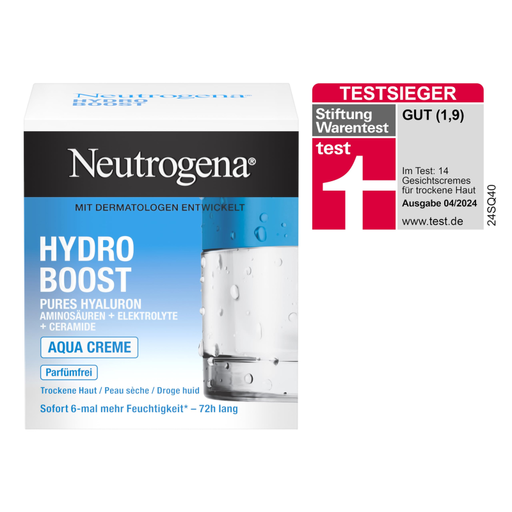
Why it suits this profile: This gel cream is designed for everyday use and is described as oil-free and non-comedogenic. That makes it a practical choice for anyone looking for a simple, lightweight moisturiser.
The product description lists specific features such as an oil-free formula, hyaluronic acid and a non-comedogenic composition, rather than making only a vague claim about freshness.
Oil-free; contains hyaluronic acid and ceramides according to the product information; suitable for use under make-up.

Why it suits this profile: This gel cream is aimed at users who value fragrance-free product information, an oil-free formula and multiple ways to use the product.
The product page explicitly states that it is fragrance-free, alcohol-free and non-comedogenic. The claim of up to 100 hours of hydration is a brand claim; the brand links it to its own product information.
Oil-free and fragrance-free according to the stated specifications; gel-based; suitable for dry, combination and oily skin.
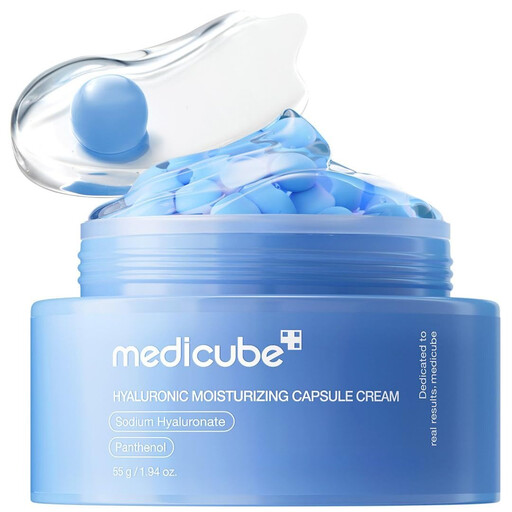
Why it suits this profile: The dual texture, combining a gel base with capsules, suits users who want lightweight application while also looking for greater comfort on dry skin.
The product information describes more than just the texture; it also lists glycerine, panthenol, squalane, ceramide NP and sodium hyaluronate.
55 ml volume; capsule-gel texture; contains ceramide NP, panthenol and hyaluronic acid according to the ingredients list.
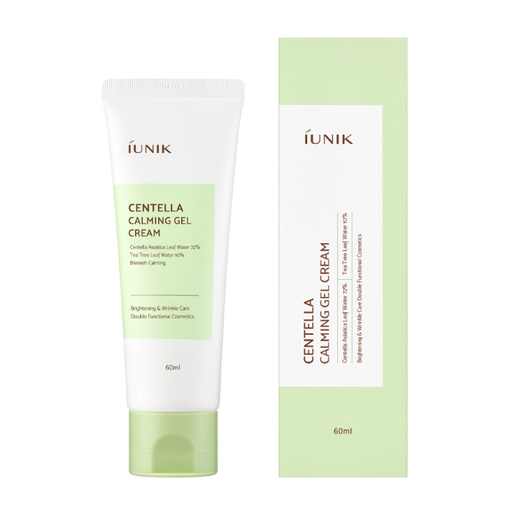
Why it suits this profile: The lightweight gel cream is linked in the product information to oily, combination, sensitive and blemish-prone skin.
The description mentions a fast-absorbing, non-sticky texture and states that the formula should not leave a heavy or greasy feel.
Contains centella, niacinamide and tea tree extract according to the product description; 60 ml volume; stated to be vegan.
We have put together a complete, up-to-date list of products that fully meet these strict selection criteria and the applicable European safety regulations.
Often, yes, particularly when the formula is lightweight, oil-free and non-comedogenic according to the product information. Also check that it does not contain any ingredients that you have reacted badly to in the past. Oily skin still needs hydration; a thin layer may be all you need.
Apply a small amount to cleansed skin, usually after serum and before applying sun cream during the day. Gently pat or massage the gel cream into the skin. If you use several products, allow each layer to absorb briefly to help prevent pilling under make-up.
Check the packaging for the expiry date and the symbol indicating the period after opening, such as 12M or 24M. Store the cream somewhere cool and dry, away from direct sunlight. If the fragrance, colour or texture changes noticeably, stop using the product.
