
Vandaag of morgen in huis

Kwaliteit gegarandeerd

Welkomstaanbiedingen ontgrendelen: GRATIS bezorging | Tot 80% korting | Gratis 30 dagen JoyPlus-proefperiode
Download de app
A hydrating face mask can be a simple addition to your skincare routine, especially when your skin feels dry or tight. However, not all masks are the same. A sheet mask works differently from a hydrogel face mask, clay mask or overnight face mask. Terms such as “glow”, “barrier” and “intensive hydration” also say little on their own about whether a product is suitable for your skin.
Pay attention to the formula, application time and practical details. This helps you avoid buying a product that needs to be left on for too short a time, is difficult to apply or is unsuitable for sensitive skin.
Hydration and oil are not the same thing. Ingredients such as glycerine, betaine and hyaluronic acid are often used in formulas that help the skin retain moisture. Oils, butters and silicones provide greater comfort and, depending on the formula, help create a fuller-feeling layer on the skin.
Dry skin can benefit from both types of ingredients, but dehydrated skin will not automatically feel better after using a very rich cream. Look at the full ingredients list rather than just the front of the packaging.
A product description may state that a mask is suitable for sensitive skin or has been dermatologically tested. That does not mean every user will tolerate it without a reaction. Fragrances, plant extracts, acids or certain preservatives may be less suitable for some people.
Test a new face mask for sensitive skin on a small area of skin first. Stop using it if you experience redness, itching, swelling, a burning sensation or any other irritation. Do not use a mask on cuts, eczema or damaged skin.
Use a sheet mask or hydrogel mask according to the instructions on the packaging. Leaving it on for longer is not necessarily more effective. Some masks are designed to be used for 10 to 20 minutes, while an overnight face mask can be applied as the final step in your evening routine.
Also check whether the product is intended for single use or comes in a jar or tube. A sheet mask is hygienically packaged for individual use, but cannot be reused. A cream or gel mask often provides multiple applications, provided you close the packaging properly.
A hyaluronic acid face mask often contains different forms of hyaluronic acid, such as sodium hyaluronate or hydrolyzed hyaluronic acid. Hadabisei’s product information, for example, mentions a combination of low- and high-molecular-weight hyaluronic acid. This is a verifiable formulation feature, but it does not guarantee the same result for every user.
Panthenol, ceramides, cholesterol and fatty acids are among the ingredients used to support a comfortable skin barrier. Biodance’s product description mentions several ceramides, hyaluronic acid and panthenol. Skin1004 Madagascar Centella Sleeping Pack lists glycerine, several forms of hyaluronic acid, panthenol and ceramide NP among its ingredients.
Do not compare packaging prices alone. A box containing four 30 ml masks, such as Hadabisei 3D Mask, should be assessed differently from a 60 or 100 ml tube. Check the number of applications, recommended frequency and expiry information on the packaging.
A well-fitting mask should also be a comfortable size that stays in place. A 3D sheet mask is pre-shaped for a close fit, while a standard sheet mask may need smoothing around the nose or chin.
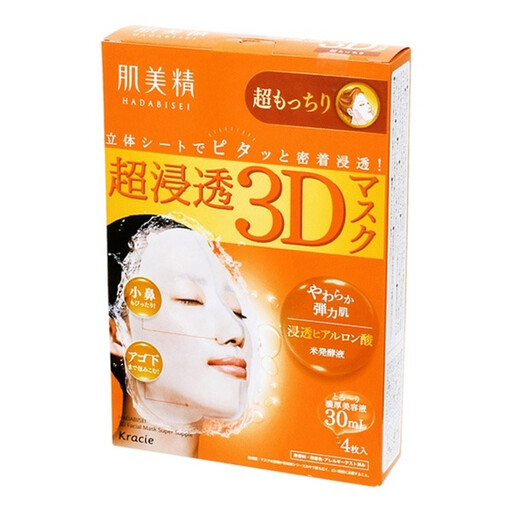
Why it suits this profile: A convenient box containing four individual masks is ideal if you want to try a hyaluronic acid face mask first. The 3D sheet is pre-shaped and designed for use after cleansing and applying toner.
The product information states that each mask contains 30 ml of essence, with four masks per box, and provides clear application instructions. This lets you assess the portions and application time in advance.
Four individual 3D sheet masks, hyaluronic acid in the formula, made in Japan according to the product listing.

Why it suits this profile: This hydrogel face mask is suitable for users looking for a richer formula and a longer application time. According to the product description, the mask can be used for several hours during the day or overnight.
The application time and single-use format are clearly stated. You therefore do not have to decide for yourself whether the mask can be left on for longer or reused.
Four hydrogel masks per pack; the ingredients list includes ceramides, panthenol and several forms of hyaluronic acid.
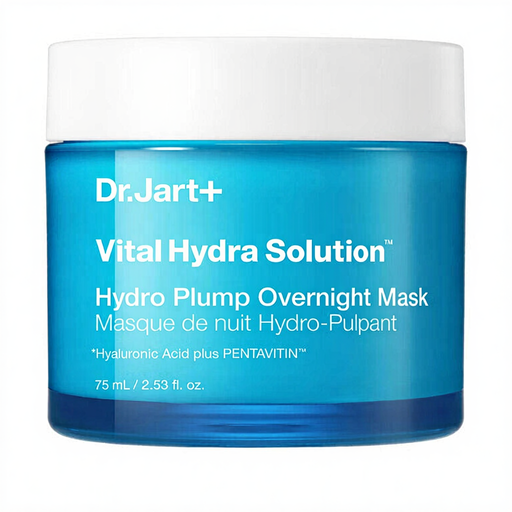
Why it suits this profile: An overnight mask is ideal if you want to combine intensive care with a consistent evening routine. According to the product information, the formula is fragrance-free and paraben-free.
The gel is applied as the final step and, according to the instructions, does not need to be rinsed off. This avoids confusion between an overnight mask and a wash-off product.
75 ml contents; hyaluronic acid, glycerine and panthenol are listed among the ingredients; designed for overnight use.
We have put together a complete, up-to-date list of products that fully meet these strict selection criteria and the applicable European safety regulations.
That depends on the type of mask and the packaging. A sheet mask is often used once or twice a week, but always follow the brand’s instructions. An overnight mask can also be used several times a week, provided your skin tolerates the product well.
Look for a short, easy-to-understand ingredients list and test a new product on a small area of skin beforehand. Ingredients such as glycerine, panthenol and hyaluronic acid are found in many hydrating formulas. A product containing fragrances, fruit acids or numerous plant extracts is not automatically unsuitable, but sensitive skin requires extra care.
Brands sometimes use claims such as “restores the skin barrier”. According to a brand’s own research or the product description, a formula may help the skin retain moisture or support a comfortable skin feel. This is not a guarantee or a medical claim. Choose based on the ingredients, instructions for use and your personal tolerance.
