
Vandaag of morgen in huis

Kwaliteit gegarandeerd

Welkomstaanbiedingen ontgrendelen: GRATIS bezorging | Tot 80% korting | Gratis 30 dagen JoyPlus-proefperiode
Download de app
A hydrating face cream may seem like a straightforward purchase, but products vary widely in texture, ingredients and how you use them. A lightweight gel cream can feel comfortable on oily skin, while dry skin may benefit more from a cream with glycerine, oils or occlusive ingredients that help lock in moisture.
Many shoppers come up against the same pitfalls. A promising claim on the packaging doesn’t always tell you whether a product is right for your skin type.
More ingredients don’t automatically mean more hydration. Focus instead on what the formula is designed to do. Glycerine, hyaluronic acid and trehalose are commonly used as humectants. Dimethicone, petrolatum, squalane and plant oils can help reduce moisture loss.
It’s also worth considering your personal preferences. If you’re looking for a fragrance-free face cream, check the full INCI list rather than just the front of the packaging. A product may smell pleasant, but fragrance isn’t suitable for everyone.
An oil-free face cream or gel usually absorbs quickly and feels comfortable under sun cream or make-up. However, a lightweight formula may not feel moisturising enough on dry skin, particularly in winter or when the air indoors is dry.
A lotion or cream with a richer base may be more practical in these cases. If you have combination skin, you could apply a lightweight moisturiser all over your face for daily use, then give dry areas some extra care.
Claims such as “48-hour hydration”, “100 hours of moisture” or “strengthens the skin barrier” are product claims. According to the brand’s own research or the product description, these results may have been observed under certain conditions. They aren’t guaranteed for every user.
So be sure to consider the skin type recommendation, size, ingredients, fragrance, directions for use and warnings too. If you have sensitive skin, it’s a good idea to try a small amount on a limited area first.
The term non-comedogenic means the formula is designed to be less likely to clog pores. It’s not an absolute guarantee that everyone will tolerate the product without problems.
Hyaluronic acid comes in different forms and molecular sizes. It’s generally used to attract and retain moisture. A hyaluronic acid cream may therefore suit you if you’re looking for a lightweight formula that feels fresh. Apply it to cleansed skin, following the manufacturer’s instructions.
Glycerine is a commonly used humectant. Ceramides and fatty ingredients are often used in formulas designed to leave skin feeling comfortable and support the skin barrier. Always check the current ingredients list on the packaging, as formulations can change.
A 30 to 50 ml pot or tube is handy to take with you, while a 100 to 210 ml pack may offer better value for long-term daily use. Think about how much you actually need: a thin, even layer is usually enough.
Most products in this selection are intended for morning and evening use. A hydrating face cream isn’t automatically a sun protection product for daytime use. Apply a separate SPF when you need protection from UV rays.
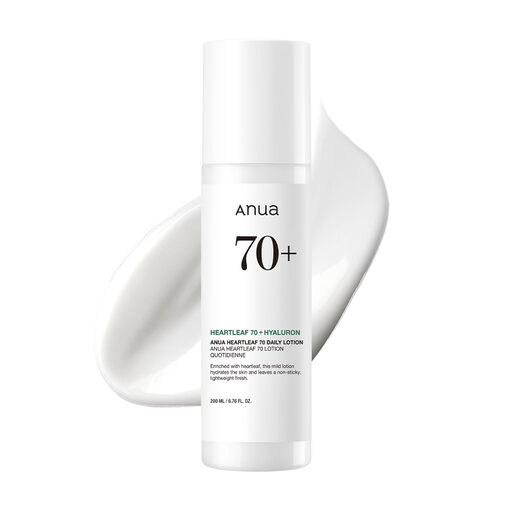
Why it suits this profile: The generous 200 ml size and lotion texture make this a practical choice for everyday use, morning and evening.
The product description says the formula is free from fragrance and colourants, and is non-comedogenic. Check the ingredients list if you’re prone to reactions.
70% Houttuynia Cordata extract according to the product information, plus glycerine and several forms of hyaluronic acid.

Why it suits this profile: According to the product information, this gel cream is suitable for dry, very dry, combination and oily skin, and works well under make-up.
The product description says the formula is free from alcohol, fragrance, parabens and phthalates, and is non-comedogenic.
A fresh gel texture in a 30 ml size. The claim of up to 100 hours of hydration comes from Clinique’s product information.
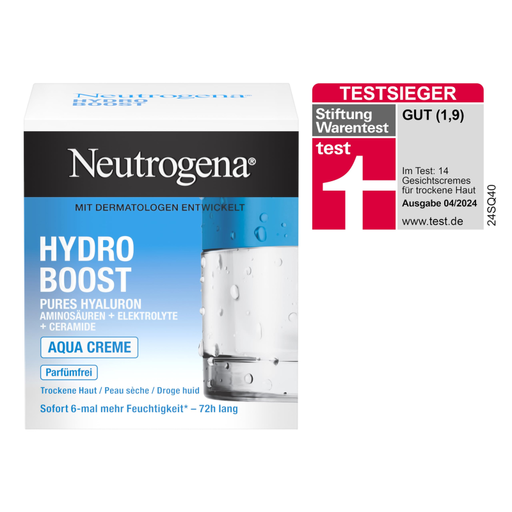
Why it suits this profile: This lightweight gel cream is designed to be used under make-up or over a serum, making it a good fit for a multi-step routine.
The product description says the formula is oil-free, free from colourants and non-comedogenic. If you want to avoid fragrance, check the current packaging too.
According to the description, it contains hyaluronic acid, amino acids, electrolytes and ceramides, and is suitable for everyday use as a moisturiser.
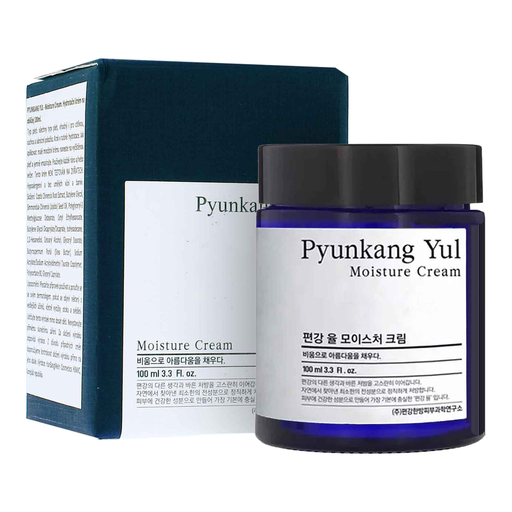
Why it suits this profile: According to the product information, this Korean face cream is intended for all skin types, with particular consideration for sensitive and oily skin.
The description says the fragrance-free formula absorbs quickly without leaving a sticky or greasy residue. If you have sensitive skin, try it on a small area first.
A 100 ml size and a formula containing Coptis Japonica root extract, shea butter and jojoba oil, according to the product information.
Store the product as directed and check the expiry date or period-after-opening information on the label. A product that suits your skin type, preferred texture and daily routine is generally a more practical choice than a formula with claims you don’t need.
We’ve put together a full, up-to-date list of products that meet these strict selection criteria and the applicable European safety requirements.
Look for a cream or lotion with humectants such as glycerine and hyaluronic acid, alongside emollient or occlusive ingredients. A richer texture is often more comfortable than a thin gel, especially if your skin feels tight.
Fragrance-free can be a useful preference if your skin is quick to react to fragrance. It doesn’t mean irritation is impossible. Check the ingredients list and try a new product on a small area of skin first.
Follow the expiry date and the period-after-opening guidance on the packaging. Store the cream in a cool, dry place away from direct sunlight, and close the packaging after use. Has the scent, colour or texture changed? If so, don’t use the product any more.
