
Vandaag of morgen in huis

Kwaliteit gegarandeerd

Welkomstaanbiedingen ontgrendelen: GRATIS bezorging | Tot 80% korting | Gratis 30 dagen JoyPlus-proefperiode
Download de app
A hydrating face cream may seem like a straightforward purchase, but the differences in texture, ingredients and use can be significant. Dry skin often benefits from more lipids and a richer cream, while combination or oily skin usually responds better to a lightweight gel-cream. For sensitive skin, the ingredient list is also more important than eye-catching claims on the packaging.
When comparing a face moisturiser, therefore, don’t focus only on words such as “intensive”, “glow” or “long-lasting hydration”. Look closely at the formula, the skin type the product is designed for and how you want to use the cream.
Brands are allowed to communicate their own product claims, but the results are not the same for every skin type. According to Clinique’s product description, Moisture Surge 100H provides up to 100 hours of hydration. This is a brand claim, not a guarantee that every user will experience the same effect. Factors such as the climate, cleansing routine, skin type and amount of product used all play a part.
A moisturising cream also does not work independently of the rest of your routine. A dry environment, frequent washing or a damaged skin barrier can cause your skin to feel tight more quickly.
A cream for dry skin is often richer and contains more oils, butters or occlusive ingredients. This can feel pleasant on dry or mature skin, but heavy on combination skin. A gel-cream may feel more comfortable during the day or under make-up.
Check whether the description includes terms such as gel-cream, lightweight texture, rich cream or body cream. A body cream can be used on the face if the packaging says so, but the fragrance and texture will not always suit everyone.
A cream for sensitive skin is not necessarily free from fragrance, essential oils or potential fragrance allergens. According to the ingredient list, Dear, Klairs Rich Moist Soothing Cream contains essential oils of lemon, lavender, orange, geranium, ylang ylang and eucalyptus, among others. If you are sensitive to fragrances, it is a good idea to check the full INCI list first.
For a new product, consider carrying out a small patch test and stop using it if redness, swelling or irritation occurs. If symptoms persist, consult a doctor or dermatologist.
Ingredients such as glycerine, hyaluronic acid, beta-glucan and panthenol help attract or retain moisture in the upper layers of the skin. A hyaluronic acid cream may contain several forms of hyaluronic acid, such as sodium hyaluronate, hydrolyzed hyaluronic acid or crosspolymer.
More variants do not automatically mean better results. What matters more is whether the overall formula feels comfortable and does not contain ingredients you have reacted to in the past.
For a skin barrier cream, ingredients such as ceramides, cholesterol, squalane, fatty acids, shea butter and dimethicone are relevant. They can make the formula richer and help keep the skin’s surface feeling comfortable.
A ceramide cream is particularly worth considering if your skin feels dry, tight or flaky. According to the supplied ingredient list, The Ceramide Skin Barrier Moisturizer contains several ceramides, cholesterol, phytosphingosine, panthenol and several forms of hyaluronic acid.
Don’t compare the price alone; consider the size too: 30 ml, 50 ml, 80 ml and 100 ml are not equivalent. Also check the expiry information, batch code and period after opening on the packaging. Do not continue using a cream if its fragrance, colour or texture changes noticeably.
Also pay attention to the difference between a face product and a body product. According to the product details, Sol de Janeiro Beija Flor Elasti Body Cream is a 240 ml body cream. According to its product description, NIVEA Soft is intended for the face, hands and body. This makes these products practical for multiple uses, but the right choice depends on your preferences for fragrance, texture and size.
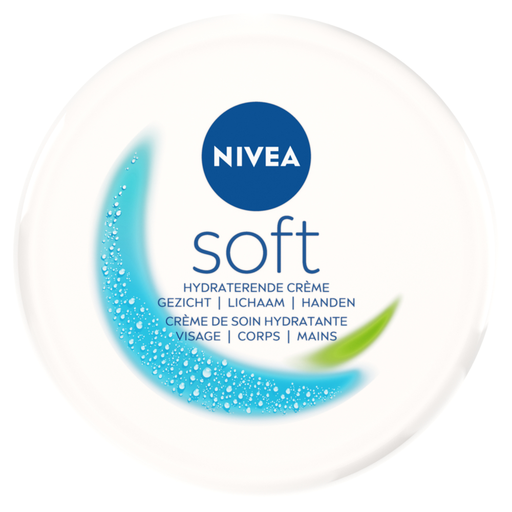
Why it suits this profile: An accessible cream for anyone who wants to use one product on the face, hands and body. The listed formula contains glycerine, jojoba oil and vitamin E.
The product description explicitly states that it can be used on the face and body, so you won’t accidentally buy a body cream intended only for the body.
200 ml; suitable for daily use on the face, hands and body according to the product information.

Why it suits this profile: The gel-cream texture is ideal for users looking for hydration without a heavy feeling on the skin, including under make-up.
The description calls the formula gel-based and fragrance-free. The claim of up to 100 hours should be read as a brand claim, not a personal guarantee.
30 ml; alcohol-free, fragrance-free and non-comedogenic according to the product details.

Why it suits this profile: Designed for anyone who wants to combine skin barrier ingredients with humectants such as hyaluronic acid and panthenol.
The full ingredient list is available, allowing you to check the presence of ceramides, cholesterol and fragrances for yourself.
80 ml; contains several ceramides, squalane, panthenol and several forms of hyaluronic acid according to the listed INCI ingredients.

Why it suits this profile: A Korean face cream with a gel-cream texture for anyone looking for multiple forms of hyaluronic acid and nourishing oils.
The description explicitly mentions daily use and use as a night cream. However, check whether the nourishing oils suit the way your skin feels.
100 ml; contains five listed forms of hyaluronic acid, squalane, panthenol and ceramide NP according to the product information.
We’ve put together a complete, up-to-date list of products that fully meet these strict selection criteria and the applicable European safety regulations.
Look for a combination of humectants such as glycerine or hyaluronic acid and lipids such as ceramides, squalane or shea butter. A richer cream can feel comfortable in the evening or during cold, dry weather. Test the texture on a small area if your skin is prone to feeling heavy or greasy.
Yes, provided the formula feels comfortable. A day and night cream do not necessarily have to be two different products. During the day, a lightweight gel-cream may be more practical under sun cream and make-up; at night, a richer formula may be preferable. A cream does not replace a sunscreen with an appropriate SPF.
Follow the expiry date and period after opening shown on the packaging. Store the product in a cool, dry place away from direct sunlight. Use clean hands or a spatula, and close the jar or tube properly. If the fragrance, colour or texture changes, replacing the product is the wiser option, even if the stated period has not yet passed.
