
Vandaag of morgen in huis

Kwaliteit gegarandeerd

Welkomstaanbiedingen ontgrendelen: GRATIS bezorging | Tot 80% korting | Gratis 30 dagen JoyPlus-proefperiode
Download de app
A hydrating face cream might seem simple to choose, but there are big differences in texture, ingredients and how you use it. Dry skin often needs more nourishing ingredients than oily skin, while sensitive skin may react to fragrance or certain plant extracts.
The product name doesn’t tell you everything, either. Terms such as “intense hydration”, “barrier repair” and “glow” don’t guarantee that a cream will feel pleasant or suit your skin. The Joybuy Product Recommendation Officer therefore focuses on verifiable information: the ingredients list, volume, texture, skin type and directions for use.
A body cream may be suitable for dry arms or legs, but it isn’t automatically a good choice for your face. Facial skin may react differently to fragrance, oils or a rich texture. Sence Bodycream Coconut and Sence Bodycream Aloe Vera, for example, are intended as body creams. According to their product descriptions, NIVEA Moisturizing Cream in the blue tin and NIVEA Soft are suitable for both face and body, but they do contain fragrance or fragrance ingredients.
So always check the product type and stated area of application before you order.
A brand claim isn’t universal proof. According to Clinique’s own product information, Moisture Surge 100H provides up to 100 hours of hydration. Dr. Jart+ states that its formula contains 5% glycerin and is designed to leave skin feeling fresh and hydrated. This information can help you compare products, but it can’t tell you exactly how your skin will respond.
Also look at the difference between “contains hyaluronic acid” and where this ingredient appears in the ingredients list. A hyaluronic acid cream may contain several forms of hyaluronic acid, such as sodium hyaluronate or hydrolyzed hyaluronic acid.
A rich cream can feel lovely in winter, but too heavy under sun cream or make-up. A gel cream often feels lighter, but may be less comfortable for very dry skin if you also need nourishing lipids.
So consider the combination of texture, skin type and when you’ll use it, rather than just the promise on the packaging.
Common humectants include glycerin, betaine, panthenol and hyaluronic acid. They help give a formula its moisturising properties. According to the product information, Torriden DIVE-IN contains several forms of hyaluronic acid, including sodium hyaluronate, hydrolyzed hyaluronic acid and sodium hyaluronate crosspolymer.
For a face cream for dry skin, emollient and occlusive ingredients are also worth considering, such as jojoba oil, squalane, shea butter, dimethicone or plant oils. These can help your skin feel comfortable for longer.
If you’re looking for a barrier-repair cream, check for ingredients such as ceramide NP, cholesterol, fatty acids and panthenol. The Ceramide Skin Barrier Moisturizer lists several ceramides, cholesterol, squalane and hyaluronic acid in its ingredients. This makes the formula an interesting option for anyone looking for a more nourishing feel as well as hydration.
However, an ingredients list doesn’t automatically prove that a product will resolve a skin concern. If redness, itching or irritation persists, it’s sensible to stop using the product and seek medical advice.
Compare the volume, too. A 100 ml jar may seem better value than a 30 ml pack, but how long it lasts depends on how much you use each time. A light gel cream is often practical for daytime, while a nourishing face cream may be a better fit for dry skin in the evening.
Always check the current packaging, ingredients and expiry information before use. If you have sensitive skin, it’s best to do a small patch test first, following the directions for use.

Why it suits this profile: Its light gel texture and 100 ml size make it a practical option for everyday use, especially for combination or oily skin.
The product information specifically describes a gel cream that leaves skin feeling feather-light, so you’re less likely to choose a heavy body cream for your face.
100 ml, a gel texture and, according to the product description, designed to feel less greasy.

Why it suits this profile: According to the product page, this gel cream is suitable for dry, very dry, combination and oily skin, and can be worn under make-up.
The product details describe the formula as alcohol-free, fragrance-free and non-comedogenic. Always check this information on the packaging, too.
30 ml, a gel base and, according to Clinique’s own information, up to 100 hours of hydration.

Why it suits this profile: According to the ingredients list, the formula contains ceramides, cholesterol, squalane, panthenol and several forms of hyaluronic acid.
The ingredients list shows that this isn’t a simple gel cream, but a more nourishing, barrier-focused formula.
80 ml and a formula containing several ceramides and forms of hyaluronic acid.
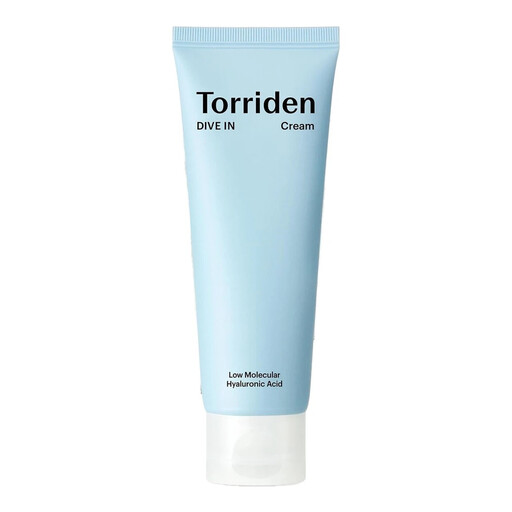
Why it suits this profile: This Korean skincare cream combines a light, fast-absorbing texture with several forms of hyaluronic acid and an 80 ml size.
The product description specifically mentions a rich yet light texture that doesn’t feel sticky or greasy. Check the full ingredients list if you have any known allergies.
80 ml and several forms of hyaluronic acid, including sodium hyaluronate and hydrolyzed hyaluronic acid.
We’ve put together a complete, up-to-date list of products that meet these strict selection criteria and the applicable European safety regulations.
For dry skin, choose a formula with emollient ingredients and lipids as well as humectants such as glycerin or hyaluronic acid. A richer cream can feel especially comfortable in the evening. Pay attention to the texture: a light gel cream may not feel nourishing enough if your skin feels tight.
Yes, as long as the cream has had time to sink in. A thin layer and a light gel cream are usually practical for daytime. Wait a few minutes before applying make-up or sun cream. If products pill or flake, it may be due to the combination of products, the amount you’ve applied or how long you’ve waited.
Follow the expiry date and the period-after-opening instructions on the packaging. Store the jar or tube in a cool, dry place, away from direct sunlight. If the smell, colour or texture changes, or irritation develops, stop using it and check the product information.
