
Vandaag of morgen in huis

Kwaliteit gegarandeerd

Welkomstaanbiedingen ontgrendelen: GRATIS bezorging | Tot 80% korting | Gratis 30 dagen JoyPlus-proefperiode
Download de app
A hydrating face cream may seem like a simple product, but there are major differences in texture, ingredients and how it feels on the skin. A gel cream can be comfortable for oily or combination skin, while a richer formula may be better suited to dry skin. Sensitive or blemish-prone skin also requires careful selection.
The product name alone does not tell you enough. Pay particular attention to the ingredients list, packaging and directions for use. This helps you avoid buying a cream that feels too heavy, pills underneath sunscreen or contains ingredients your skin does not respond well to.
Terms such as “deep hydration”, “repair” or “100-hour moisture” sound clear, but the supporting evidence varies from one brand to another. According to Clinique’s product description, Moisture Surge 100H is tested for long-lasting hydration; this is a brand claim and does not guarantee that every skin type will respond in the same way.
So also look for verifiable details such as:
A face cream for dry skin often contains oils, butters or silicones to help limit moisture loss. This can feel soothing when your skin feels tight, but a heavy texture is not comfortable for everyone. If you are looking for a lightweight, non-greasy moisturiser, a gel cream or water cream may be a better choice.
For combination or oily skin, products with a fast-absorbing texture are often more practical. Apply a small amount first and wait a little while before using sunscreen or make-up. This lets you see whether the cream feels sticky or starts to roll.
A face cream for all skin types can be a versatile everyday option, but that does not automatically mean the formula is suitable for every individual situation. Sensitive skin, for example, may react to fragrance or essential oils, even if the brand positions the product as gentle.
Always check the full INCI list. If you have a known allergy or have experienced irritation before, a patch test is advisable. Stop using the product if you experience burning, itching, swelling or persistent redness, and seek advice from a doctor or pharmacist if necessary.
A hydrating cream with hyaluronic acid uses an ingredient that can bind water. Many formulas also contain glycerine, beta-glucan, panthenol or sodium hyaluronate. These ingredients tell you something about the formulation, but on their own they do not prove what results you will see.
For dry or dehydrated skin, it is useful to look for both moisture-binding and moisturising ingredients. Squalane, shea butter, jojoba oil and certain silicones can make the skin feel more comfortable. A barrier-repair face cream may contain ceramides, cholesterol or fatty acids. According to the brand’s product description, ceramide NP and cholesterol have been added to support the moisture barrier; this should be understood as the brand’s information about the formula.
Choose based on your daily routine:
A 50 ml jar is not automatically better value than a 75 or 100 ml tube. Compare the size with the price and consider how much product you need each time. Usually apply a hydrating face cream after cleansing and, if required, serum. During the day, sunscreen should be the final step.

Why it suits this profile: The 100 ml size and lightweight gel cream texture make this an easy option for everyday use, both morning and evening.
The formula lists ingredients including oat seed water, glycerine, panthenol, squalane and beta-glucan. Check the ingredients carefully if you have allergies.
100 ml; gel cream; panthenol and squalane according to the ingredients list; intended for everyday use.
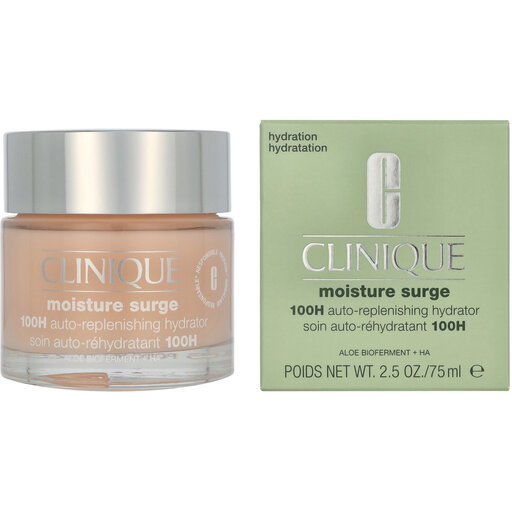
Why it suits this profile: According to the product information, this oil-free gel cream is intended for dry, combination and oily skin and can also be used under make-up.
The specifications describe an oil-free, fragrance-free and non-comedogenic formula. The stated duration of hydration is a claim made by Clinique.
75 ml; oil-free gel cream; fragrance-free according to the product details; contains glycerine and sodium hyaluronate.
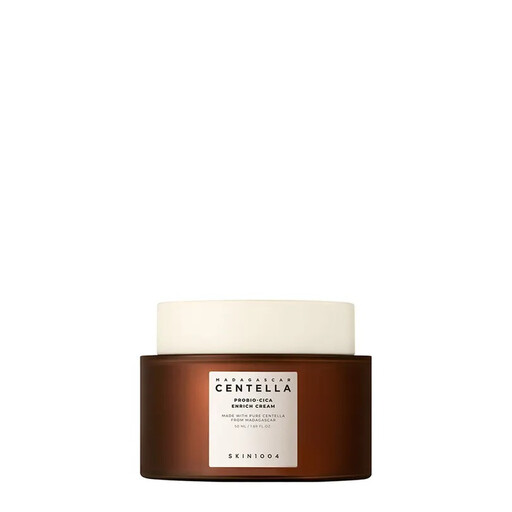
Why it suits this profile: This richer cream is suitable for anyone wanting to give extra attention to dryness and achieve a more comfortable skin feel in the evening.
The full ingredients list is available and includes ceramide NP, squalane, shea butter and sodium hyaluronate. The texture may feel heavier than a gel cream.
50 ml; ceramide NP and squalane; centella asiatica extract; suitable for morning and evening use according to the product information.
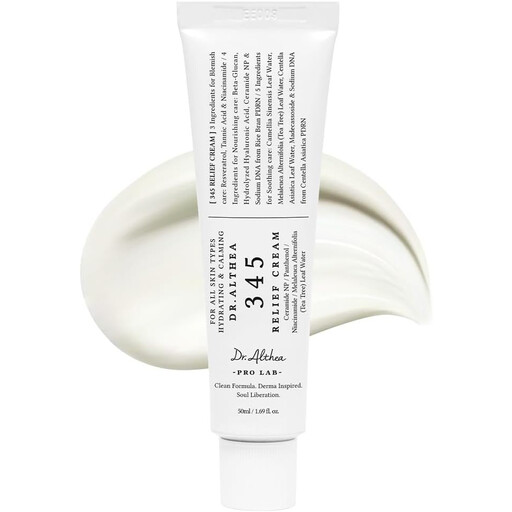
Why it suits this profile: According to the product description, this Korean face cream has a lightweight, silky texture and contains ingredients including niacinamide, ceramide NP and hyaluronic acid.
According to Dr. Althea’s own information, the product has been clinically tested for non-comedogenic use. This does not replace an individual skin assessment or patch test.
50 ml; contains ceramide NP and hyaluronic acid; according to the brand description, free from artificial fragrances, colourants and parabens.
We have put together a complete, up-to-date list of products that fully meet these strict selection criteria and the applicable European safety regulations.
Apply the cream to clean skin. Slightly damp skin can feel comfortable, particularly with formulas containing glycerine or hyaluronic acid. Do not automatically use more product: a thin, even layer is often enough. If you have dry skin, you can apply an extra layer to drier areas.
If you have sensitive skin, look out for fragrance and essential oils. The Dear Klairs Rich Moist Soothing Cream, for example, contains several essential oils, including lavender, lemon and eucalyptus oil. That does not necessarily make the product unsuitable, but it is relevant information for anyone wishing to avoid fragrance ingredients.
Look for a cream containing glycerine, panthenol, ceramides, squalane or hyaluronic acid. A richer formula, such as a cream with shea butter or oils, may feel more comfortable than a watery gel. Also check that the fragrance and other ingredients suit your personal preferences.
A gel cream for the face usually feels lighter and often leaves less greasy residue. For blemish-prone skin, you can look for a brand statement such as “non-comedogenic”, but treat this as product information provided by the brand. Test a small amount first and stop using it if irritation occurs.
The shelf life is stated on the packaging, for example as a use-by date or a period after opening. Store the jar or tube in a cool, dry place, away from direct sunlight and tightly closed. Has the smell, colour or texture changed? Do not use the product, even if the stated date has not yet passed.
