
Vandaag of morgen in huis

Kwaliteit gegarandeerd

Welkomstaanbiedingen ontgrendelen: GRATIS bezorging | Tot 80% korting | Gratis 30 dagen JoyPlus-proefperiode
Download de app
Buying a hydrating face cream sounds simple, until you have to choose between a gel cream, rich moisturiser, hyaluronic acid cream or ceramide cream. A product may feel pleasant and still not suit your skin type or daily routine. Especially if you have dry, sensitive, combination or blemish-prone skin, it is wise to look beyond eye-catching packaging or a promise on the front.
Silicones, oils and film-forming ingredients can make the skin feel instantly smooth. That is not automatically a problem, but it says little about how comfortable your skin will feel hours later. So also look for humectant ingredients such as glycerine, panthenol, beta-glucan and hyaluronic acid. These help attract or retain moisture as part of your skincare routine.
A face cream for dry skin does not always have to be thick or greasy. On the other hand, a gel cream may feel too lightweight on very dry skin, especially in winter or in a centrally heated home. A moisturiser containing squalane, shea butter or ceramides may be a better fit. Combination or oily skin often suits a fast-absorbing gel cream or lotion.
Marketing terms are no substitute for the ingredients list. Check whether the product contains fragrance, essential oils or known allergens if your skin reacts easily. Even a fragrance-free product can still cause irritation. Always carry out a patch test before using a new product and stop if you experience burning, itching, swelling or noticeable redness. Do not use cosmetics on damaged skin, and seek advice from a doctor or pharmacist if symptoms persist.
A good moisturising cream usually combines several types of ingredients:
A hyaluronic acid cream is not automatically suitable for everyone. The overall formula and texture determine whether the product works comfortably in your routine. Apply a cream after cleansing and, if desired, after a serum. During the day, sun protection should be the final step.
Choose based on how your skin feels and how you want to use the product:
With Korean skincare, you will often see several lightweight layers. This can be useful if you want to decide for yourself how much nourishment your skin needs. Do not use too many products at once; this makes it easier to see what your skin reacts to.
Do not compare only the price of a jar or tube. A 30 ml pack may work out more expensive per use than a product containing 80, 100 or 180 ml. Also check the period after opening and the date on the packaging. A larger pack is only cost-effective if you use the product within the recommended period.
Similar principles apply to body care. A body lotion for dry skin in a 400 ml pack is practical for everyday use, while a body cream with fruit acids or fragrance is more of a specific skincare choice. With acids such as AHA, pay extra attention to the instructions and carry out a patch test beforehand.
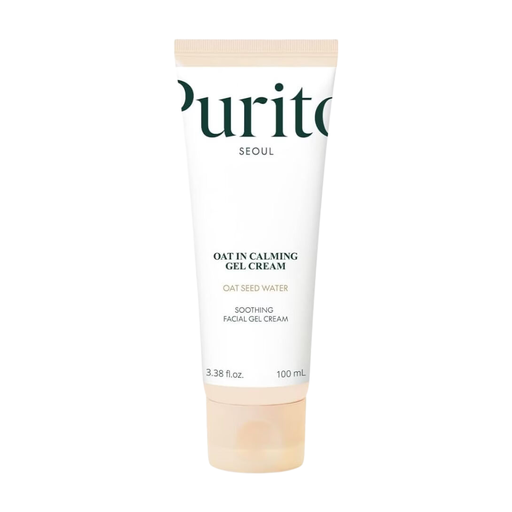
Why it suits this profile: This 100 ml gel cream is a straightforward choice for everyday use in the morning and evening. The product description lists 77% oat seed water, glycerine, panthenol, squalane and beta-glucan.
The lightweight texture means you do not need to start by buying a heavy cream. However, check the full ingredients list if you are sensitive to oats or other ingredients.
100 ml, gel cream texture, with panthenol, squalane and beta-glucan in the ingredients list.

Why it suits this profile: According to the product information, this gel cream is alcohol-free, fragrance-free and non-comedogenic. That makes it an interesting option for anyone looking for a lightweight formula with clear specifications.
The product features are more specific than simply promising a fresh finish. The stated 100 hours is a claim made by Clinique; do not treat it as a guaranteed personal wear time.
30 ml, gel-based, fragrance-free and alcohol-free, and according to the product information suitable for several skin types.
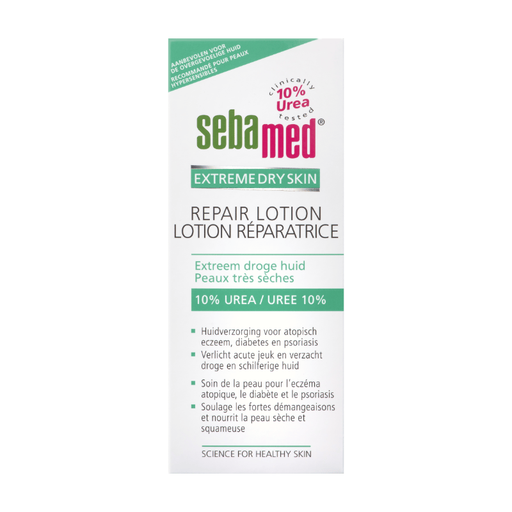
Why it suits this profile: For dry areas of the body, a lotion is often more practical than a face cream. This pack contains 200 ml and lists 10% urea, glycerine and almond oil.
The urea concentration is clearly stated, so you do not have to rely solely on the word “intensive”. Use the product according to the label and stop if irritation occurs.
200 ml, 10% urea, glycerine and instructions for dry areas of the body.
We have put together a complete, up-to-date list of products that fully meet these strict selection criteria and the applicable European safety regulations.
For most routines, applying it after cleansing in the morning and evening is practical. Start with a small amount. One lightweight layer may be enough for oily or combination skin; if you have dry skin, you can use a richer cream in the evening.
Look for a short ingredients list and check particularly for fragrance, alcohol and known allergens. A face cream for sensitive skin is not automatically suitable for everyone. Products such as a fragrance-free gel cream or a formula containing panthenol and ceramides may be worth considering, but a patch test is still advisable.
Follow the date and symbols on the packaging, including the period after opening. Store the cream in a cool, dry place away from direct sunlight. If the smell, colour or texture changes, stop using the product.
