
Vandaag of morgen in huis

Kwaliteit gegarandeerd

Welkomstaanbiedingen ontgrendelen: GRATIS bezorging | Tot 80% korting | Gratis 30 dagen JoyPlus-proefperiode
Download de app
Choosing a hydrating face cream may seem straightforward, but products vary considerably in texture, ingredients and use. A gel can feel comfortable on oily skin, while a richer cream may be better suited to dry skin. Terms such as “repairing the skin barrier”, “anti-ageing” and “intense hydration” do not mean much on their own if you do not look at the full product information.
The following pitfalls are common:
For a face cream for dry skin, a cream, lotion or balm is often a more logical choice than a very lightweight gel. Ingredients such as glycerine, hyaluronic acid, dimethicone, oils and occlusive agents can help retain moisture in the skin. Always check the full INCI list and the instructions on the packaging.
A cream for sensitive skin does not automatically have to be free from every potentially irritating ingredient. Instead, choose a formula with a straightforward ingredients list and test a small amount on a limited area of skin first.
For oily or combination skin, an oil-free gel or lightweight emulsion may feel more comfortable. Non-comedogenic means that, according to the product information, the product has been developed to be less likely to clog pores, but individual skin reactions are still possible.
When comparing moisturisers, consider:
A product claim should be read in context. According to Clinique’s own research, Moisture Surge can provide up to 100 hours of hydration; this claim describes the brand’s communications and does not predict exactly how your skin will respond. The same applies to claims about strengthening the skin barrier or reducing fine lines caused by dryness.
If you are looking for an anti-ageing face cream, you will often come across retinol, niacinamide, adenosine or vitamin C. These ingredients have different functions and may cause dryness or irritation for some users. Introduce a new product gradually and do not combine several powerful formulas straight away.
For blemish-prone skin, texture, fragrance and active ingredients are important considerations. A cream is not a replacement for treatment of a skin condition. Stop using it if irritation persists and, if necessary, ask a doctor or dermatologist for advice. Use a sunscreen during the day when the usage instructions or active ingredients call for it.

Why it suits this profile: According to the product information, this gel-cream is suitable for dry, very dry, combination and oily skin. That makes it an accessible choice for anyone still looking for their ideal texture.
The product description states that it has a fragrance-free, alcohol-free and non-comedogenic formula. However, always check the current packaging and ingredients list.
Gel-cream, 30 ml, fragrance-free and suitable for use in the morning and evening.
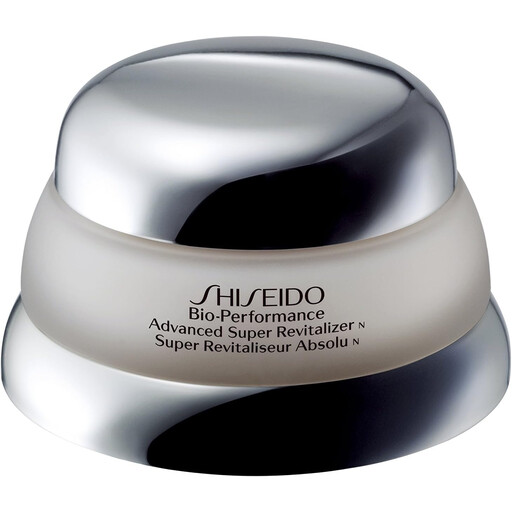
Why it suits this profile: This rich face cream is aimed at shoppers considering a luxurious formula and a larger 50 ml jar. Check the current product information and shelf life before buying.
The choice is based on the product type and amount, rather than unproven promises about skin rejuvenation or guaranteed results.
Rich face cream, 50 ml, designed to care for and hydrate the skin.
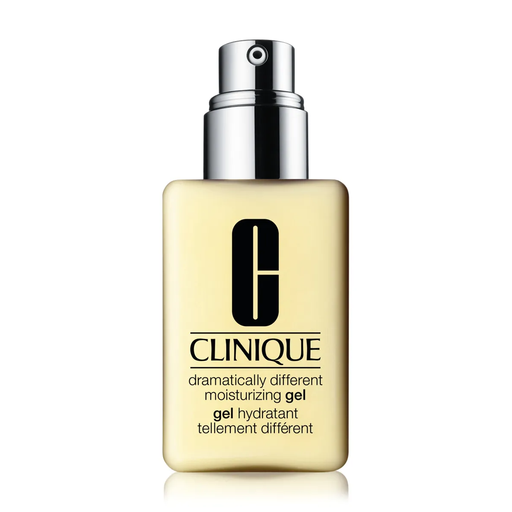
Why it suits this profile: According to the product information, this lightweight, oil-free gel is intended for oily or combination skin and contains 125 ml for daily use.
The gel texture reduces the risk of a rich cream feeling heavy. If your skin feels tight, a lotion may be more suitable as an additional product.
Oil-free gel, 125 ml and, according to the product information, fragrance-free.
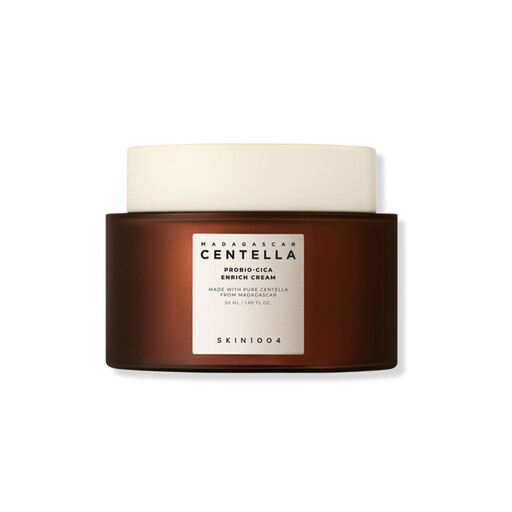
Why it suits this profile: The product information lists Centella Asiatica, Ceramide NP, a vegan formula and suitability for all skin types, including sensitive skin.
The ingredients list is available, allowing you to check ingredients such as ceramide and fragrance before ordering. If you have sensitive skin, carry out a patch test first.
50 ml, Ceramide NP in the ingredients list and, according to the product information, dermatologically tested.
We have put together a complete, up-to-date list of products that fully meet these strict selection criteria and the applicable European safety regulations.
Most moisturisers are applied once or twice a day to cleansed skin. Follow the manufacturer’s instructions. Start with a small amount; using more product does not automatically mean more hydration.
Check the expiry date and the open-jar symbol indicating the period after opening on the packaging. Store the cream in a cool, dry place away from direct sunlight. Has the smell, colour or texture changed? Do not continue using the product.
Look for a richer formula containing hydrating and moisture-retaining ingredients, but also pay attention to fragrance and essential oils. A product such as a cream containing Centella or ceramide may suit your selection, but always test a small amount first. If redness, itching or irritation persists, it is wiser to seek professional advice.
