
Vandaag of morgen in huis

Kwaliteit gegarandeerd

Welkomstaanbiedingen ontgrendelen: GRATIS bezorging | Tot 80% korting | Gratis 30 dagen JoyPlus-proefperiode
Download de app
Dry or tight-feeling skin does not automatically need the richest cream. Shiny skin can also be lacking moisture. When choosing a hydrating face cream, therefore, do not focus only on the promises on the front of the packaging. Pay particular attention to the ingredients, texture and intended time of use.
As a Joybuy Product Recommendation Officer, I strip marketing language back to verifiable product information. This helps you avoid paying for claims that do not suit your skin type.
Words such as “intensive”, “repairing” or “72-hour hydration” sound appealing, but they do not explain exactly how the formula works. Instead, check whether it contains humectants such as glycerine, betaine, panthenol or hyaluronic acid. These help attract moisture and contribute to a comfortable feel on the skin.
Also look for nourishing ingredients that can help limit moisture loss, such as ceramides, shea butter, oils and silicones. A good face cream for dry skin often combines several types of ingredients.
A rich formula can feel soothing when your skin is flaky or tight, but it may feel heavy on combination or oily skin. A gel cream or oil-free moisturiser is often more practical during the day or underneath make-up.
Conversely, a very lightweight gel cream may not remain comfortable enough on dry skin, particularly in cold, windy weather. The right texture therefore depends on your skin type, the season and the rest of your skincare routine.
A product description may state that a product is suitable for sensitive skin, but individual reactions are still possible. Check the ingredients list for fragrance, essential oils and known fragrance allergens. For example, the Dear, Klairs Rich Moist Soothing Cream contains several essential oils. This does not necessarily present a problem, but it is relevant information if your skin reacts easily.
Apply a new moisturiser for sensitive skin to a small area first. Stop using it if redness, itching or irritation persists, and seek advice from a doctor or dermatologist if necessary.
Ideally, a cream for the skin barrier should contain more than one type of nourishing ingredient. Glycerine and hyaluronic acid are humectants. Ceramide NP, ceramide AP, cholesterol and fatty acids resemble substances that occur naturally in the skin barrier and are often used in richer skincare formulas.
According to the product description, the ANUA 3 Ceramide Panthenol Moisture Barrier Cream contains panthenol, glycerine, sodium hyaluronate, ceramide NP, ceramide AP, ceramide EOP, cholesterol and squalane, among other ingredients. This makes the ingredients list interesting for people primarily looking to support dry or dehydrated skin. The product page also states that the formula has been tested on sensitive skin; this remains a product claim made by the brand and is not a guarantee for every user.
A Korean face cream is not automatically more suitable than a European product. Korean formulas do, however, often offer plenty of choice when it comes to gel-cream textures, centella, panthenol and hyaluronic acid.
Figures such as “100 hours of hydration” or “174% more moisture” are only meaningful if you know how they were measured. The product description for Clinique Moisture Surge 100H includes such figures and refers to the brand’s product communications. According to Clinique’s own research, this means an immediate 174% moisture boost and hydration for up to 100 hours. Treat this as additional product information, not as a personal expectation.
It is also important to read claims sensibly when choosing an anti-ageing face cream. A cream can make your skin feel softer or smoother, but cosmetics are not a substitute for medical treatment.

Why it suits this profile: The lightweight gel texture and 100 ml size make this a practical choice for anyone who wants to start a daily facial skincare routine without using a heavy cream.
The product description mentions a lightweight formula for oily or combination skin, so you do not have to buy an extremely rich cream straight away.
100 ml, a gel-cream texture and, according to the product information, 44% red bean extract and a peptide complex.
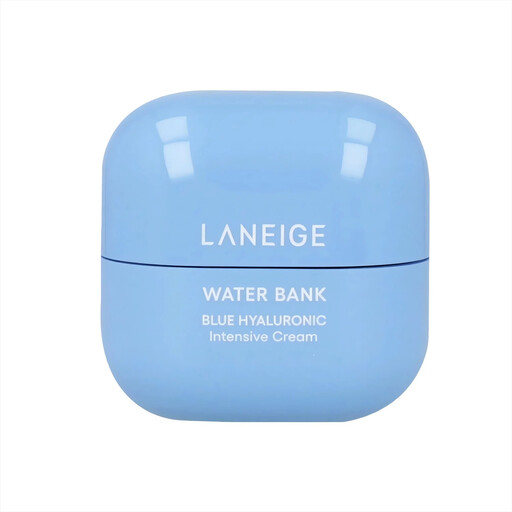
Why it suits this profile: According to the product description, this cream is lightweight yet nourishing and intended for daily use, including when you want a formula that can be worn under make-up or sun cream.
The description links hydration with a fast-absorbing texture, showing that “intensive” does not automatically mean “greasy”.
50 ml, hyaluronic acid according to the product name, and a described combination of lightweight texture and nourishment.
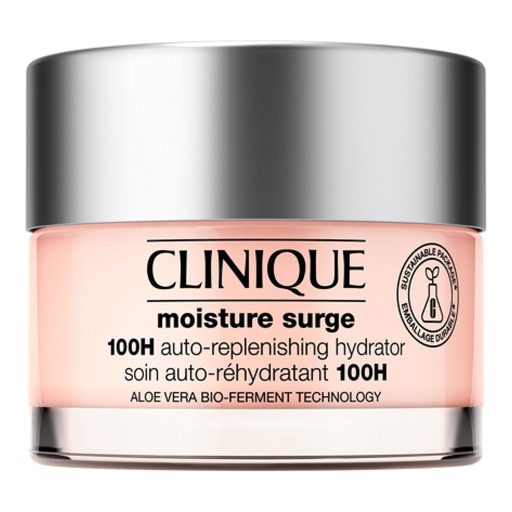
Why it suits this profile: According to the product details, this gel cream is oil-free, fragrance-free and suitable for dry, combination and oily skin.
The oil-free formula helps prevent you from choosing a rich cream when what you really want is a lightweight, non-greasy finish.
50 ml, gel cream, oil-free and, according to the product information, fragrance-free and non-comedogenic.
We have compiled a complete, up-to-date list of products that fully meet these strict selection criteria and the applicable European safety regulations.
Apply the cream after cleansing and, if applicable, after toner or serum. Use a small amount on slightly damp skin and spread it over your face and neck. Apply sun cream afterwards during the day. You can use a richer formula in the evening if your skin feels drier then.
Check the best-before date and the information about how long to use the product after opening on the packaging. Store the cream in a cool, dry place away from direct sunlight. If its smell, colour or texture changes noticeably, stop using the product. A jar that requires you to dip your fingers into the formula each time calls for extra attention to hygienic use.
The price depends on the brand, size, ingredients and packaging. For this reason, compare the price per 10 ml rather than looking only at the total selling price. Also check whether the formula is fragrance-free and whether it contains ingredients suited to your skincare goal, such as panthenol, glycerine or ceramides. This way, you pay for features you genuinely want to use.
