
Vandaag of morgen in huis

Kwaliteit gegarandeerd

Welkomstaanbiedingen ontgrendelen: GRATIS bezorging | Tot 80% korting | Gratis 30 dagen JoyPlus-proefperiode
Download de app
A hydrating face cream seems easy to choose until you have to decide between a rich cream, a lightweight face gel cream or a multifunctional lotion. Marketing terms such as “intensive”, “repairing” and “long-lasting hydration” do not always tell you enough about the formula either. Your skin type, the ingredient list and the texture ultimately determine whether a product works comfortably as part of your daily routine.
The most common purchasing pitfalls are:
A face gel cream or watery lotion usually feels lightweight and absorbs quickly. This can suit oily or combination skin, especially if you use sun cream or make-up during the day. A richer cream containing ingredients such as glycerine, oils, silicones or ceramides may feel more comfortable on dry skin.
Bear in mind that “lightweight” does not mean “suitable for everyone”. A lightweight face cream may not feel sufficiently comfortable on very dry skin. Conversely, a rich cream can feel heavy or sticky on oily skin.
For everyday hydration, you will often see ingredients such as:
An ingredient’s position on the list gives an indication of its quantity, but it does not tell you everything about how the complete formula works. A brand’s own research or product description may mention certain benefits; do not automatically regard these as guaranteed results for every user.
If you have dry or sensitive skin, a fragrance-free formula can sometimes be a practical choice. Check the packaging, as product variants may differ. Also look for warnings such as “for external use only”, as well as instructions to avoid contact with the eyes and carry out a patch test.
Stop using the product if you experience persistent redness, itching, swelling or a burning sensation. If you have severe or recurring skin concerns, seeking advice from a doctor or dermatologist is wiser than continually trying a different cream.
The following choices are based on the stated product information, contents, texture, application area and listed skin types. They are not a substitute for personalised skincare advice.
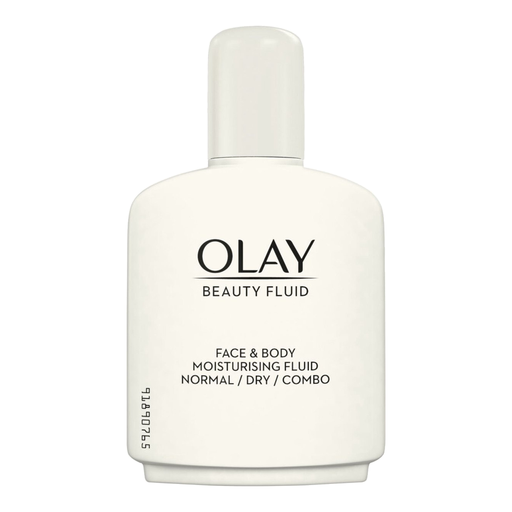
Why it suits this profile: This lotion is designed for the face and body and, according to the product information, has a lightweight, fast-absorbing formula. This makes it a straightforward starting point for anyone who wants to use one product without immediately building an extensive routine.
The product description states the application area, the 100 ml size and that it can be used for different skin types. However, check the fragrance information and ingredients before ordering.
Suitable for the face and body; glycerine, dimethicone and petrolatum are listed among the ingredients; dermatologically tested according to the product information.
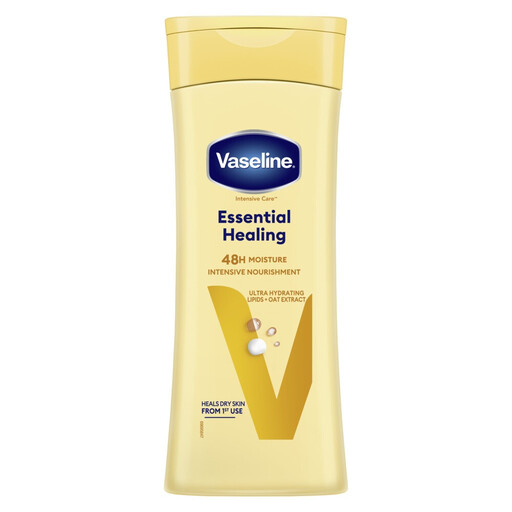
Why it suits this profile: For dry arms, legs or rough patches, a body lotion for dry skin is more practical than a small face cream. This bottle contains 400 ml and, according to the product information, is intended for daily use on dry skin.
Its intended use is clearly defined as a body lotion. This helps you avoid using a face cream over a large area of the body and quickly running out of a small pack.
400 ml pack; glycerine, petrolatum and dimethicone listed among the ingredients; fast-absorbing and non-greasy according to the product information.
We have put together a complete, up-to-date list of products that fully meet these strict selection criteria and the applicable European safety regulations.
Apply the cream to clean skin. A small amount is usually enough for your face and neck. With a gel cream, you can apply a second thin layer to drier areas if needed. During the day, use a sun protection product as part of your routine.
Test a new product on a small area of skin first, especially if you are looking for a hydrating cream for sensitive skin. Do not introduce several new products at the same time. This makes it easier to identify which product has caused a reaction.
Many moisturisers are designed for use in the morning and evening, but follow the instructions on the packaging. If you have oily skin, one thin layer during the day may be sufficient. Dry skin may feel more comfortable with a richer formula in the evening.
Check the expiry date or the period-after-opening symbol on the packaging. Store the cream in a cool, dry place away from direct sunlight, and close the packaging after use. A change in smell, colour or texture may be a reason to stop using the product.
No. First consider skin type, texture, ingredients, contents and area of use. An affordable moisturising cream may be sufficient for everyday use, while someone with a specific need may place greater value on ceramides, a fragrance-free formula or a gel texture. Compare the verifiable product details before making your decision.
