
Vandaag of morgen in huis

Kwaliteit gegarandeerd

Welkomstaanbiedingen ontgrendelen: GRATIS bezorging | Tot 80% korting | Gratis 30 dagen JoyPlus-proefperiode
Download de app
A tight feeling after cleansing, dry patches beneath makeup or a shiny T-zone accompanied by uncomfortable dryness: a hydrating face cream needs to suit more than just the packaging. The right choice depends on your skin type, the texture, the ingredients and how you plan to use the product every day.
Pay attention to marketing claims, too. “Up to 100 hours of hydration” sounds impressive, but it does not automatically indicate how comfortable a cream will feel on your skin. Before ordering, check the product details, ingredient list, directions for use and warnings.
Brands may present their own product research and user experiences, but such claims do not apply equally to everyone. According to Clinique’s product description, for example, Moisture Surge 100H is said to provide up to 100 hours of hydration. That is a brand claim, not a universal guarantee for every user.
Focus instead on information you can verify:
A gel cream feels comfortable under makeup and often absorbs quickly. However, on very dry skin, a lightweight formula may feel less comfortable than a cream containing ingredients such as shea butter, jojoba oil, squalane or dimethicone.
Conversely, a rich cream can feel heavy on combination or oily skin. A hydrating moisturiser does not need to be as rich as possible. Choose the texture according to your skin and your routine.
Hyaluronic acid creams, niacinamide creams and products with ceramides are popular, but no single ingredient determines the overall performance or tolerance of a product. The complete formula matters. A product containing niacinamide may also include fragrance or essential oils, for example. This is relevant when you are looking for a face cream for sensitive skin.
If you have sensitive skin, first test a small amount on a limited area. Discontinue use if redness, swelling, itching or a burning sensation occurs, and follow the safety information on the packaging.
Use this practical guide:
A product description may state that a cream is suitable for all skin types. Treat this as information provided by the brand or seller, not as a personal guarantee.
A good moisturising cream often combines several types of ingredients:
“Repairing the skin barrier” is a cosmetic positioning statement, not a medical treatment. For persistent irritation or skin concerns, consulting a doctor or dermatologist is more sensible than continually trying a different product.
Do not compare 30 ml directly with 75 or 100 ml without considering how you will use the product. A small jar can be convenient for travel or for trying a product first, while a larger size may offer better value for daily use. Also check the expiry information and the period after opening, such as the 12M symbol found on some products.
Apply a day cream in the morning after cleansing, and use a sunscreen during the day if this fits into your routine. In the evening, you can use the same cream or choose a richer formula. Always follow the specific instructions on the packaging.
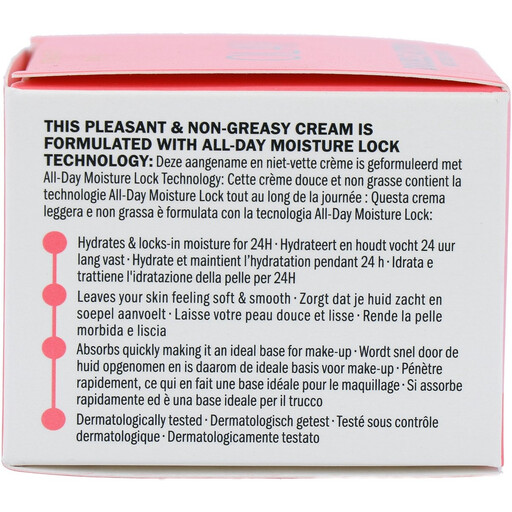
Why it’s a good fit: A practical day cream for anyone looking for one product that can also be worn under makeup.
The product information describes a lightweight formula designed for use as a makeup base, so you are not automatically choosing a heavy cream.
50 ml, intended for normal to dry skin and described as dermatologically tested.
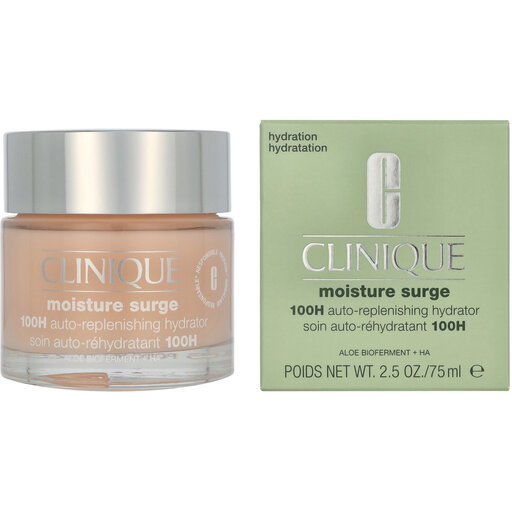
Why it’s a good fit: This oil-free gel cream is worth considering if you want intense hydration with a lightweight texture.
The product page clearly states that this is an oil-free, fragrance-free gel cream; always check the current packaging as well.
75 ml, with glycerine, sodium hyaluronate and aloe ingredients listed in the formula.
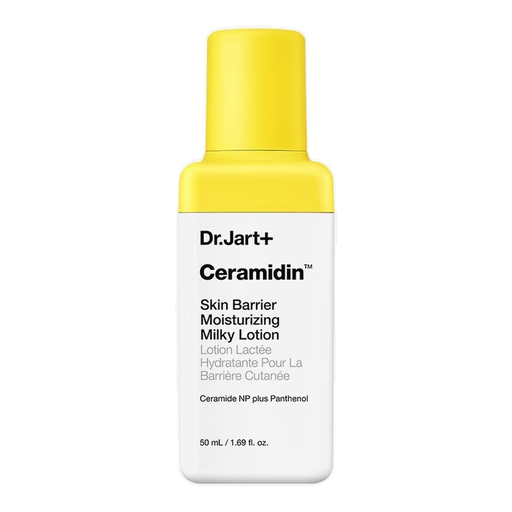
Why it’s a good fit: This milky lotion is designed to leave skin feeling comfortable and nourished without a noticeably heavy finish.
The product description mentions panthenol, ceramide 3 and glycerine, encouraging you to look beyond the phrase “intensively hydrating”.
Lightweight 50 ml lotion; according to the product information, suitable for daily use and under makeup.
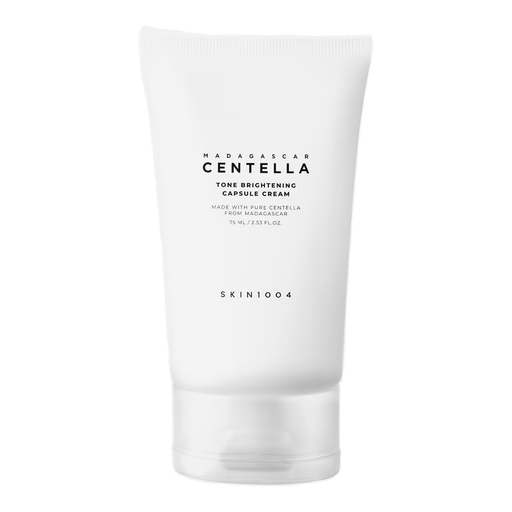
Why it’s a good fit: A fragrance-free gel cream for anyone seeking a lightweight Korean skincare formula with centella and niacinamide.
The product page states that it is fragrance-free and alcohol-free. The formula does contain active ingredients, so a patch test is still advisable.
75 ml with, according to the product information, 60% Centella Asiatica extract, niacinamide, panthenol and sodium hyaluronate.
Browse a current selection of milky skincare products and compare textures, sizes and product information for your daily routine.
A day cream can also be used in the evening unless the packaging states otherwise. For very dry skin, you may prefer a richer formula at night than during the day.
That depends on the formula and your individual tolerance. If you are sensitive to fragrance, preferably choose a fragrance-free product and check the full ingredient list. Even a fragrance-free cream can cause irritation for some people, so test a small amount first.
This varies according to the size and how you use it. A 30 ml package will run out faster with daily use than a 75 or 100 ml version. Also check the expiry information and the period after opening on the packaging. Do not continue using a cream if its scent, colour or texture changes noticeably.
A gel cream usually has a lighter, fresher-feeling texture and can work well under makeup or on combination skin. A richer face cream often contains more emollient and occlusive ingredients, making it a better fit for dry or very dry skin. Your skin type, the season and the finish you prefer will determine which option is most practical.
