
Same-day & Next-day Delivery

Quality Guaranteed

Unlock Your Welcome Offers: FREE Delivery | Up to 80% OFF | Free 30-day JoyPlus trial
Download the APP
Dry skin after showering, tight-feeling cheeks, chapped lips or sensitive baby skin – hydrating skincare can mean something different to everyone. Yet many shoppers buy based on a bold claim on the packaging. That can lead to a product that doesn’t feel pleasant, doesn’t suit your skin, or ends up sitting unused in the bathroom.
The right choice starts not with the promise on the front, but with the intended use, the ingredients and the product format.
A full-bodied hydrating cream can feel lovely on dry skin, but for oilier or combination skin, a light gel cream or serum may be more practical. So pay attention to the texture:
Brands sometimes state a number of hours of hydration or refer to a test with volunteers. According to a brand’s own research, a certain duration of hydration may have been established under specific test conditions. That doesn’t mean everyone will experience the same result.
So also check the formulation. Glycerine, hyaluronic acid, panthenol and certain emollients are often used in hydrating formulas. A cream can also form a protective layer, which helps moisture evaporate less quickly.
A pleasant scent is no proof that a product cares for your skin better. If you have sensitive skin, baby skin or skin that reacts quickly, it’s wise to check the ingredients list for perfume and fragrance allergens. Test a new product on a small area of skin first, and stop if you notice redness, itching or a burning sensation.
First, decide what you need the product for. A baby cream or baby lotion is designed for a baby’s delicate skin, while a face cream often has a different texture from a body lotion. For use after sun exposure, an aftersun lotion makes more sense than a standard body product.
Look at the intended use:
A product for the body isn’t automatically suitable for the eye area. Avoid contact with the eyes and always follow the usage instructions on the packaging.
For daily hydration, glycerine and hyaluronic acid are common ingredients. According to product information, hyaluronic acid helps retain moisture in the skin, but the effect and how it feels on the skin vary from formula to formula. Vitamin E is also frequently added to creams and lotions.
If you have sensitive or dry skin, look for:
For more mature skin, there are face creams with, for example, retinol, niacinamide or SPF 30. Retinol can cause irritation in some users. So start gently and use a suitable sunscreen during the day. A day cream with SPF 30 contributes to daily UV protection, but the level of protection also depends on how much you apply and how often.
Don’t just compare the price – also compare the volume and the dispensing system. A pump bottle can be practical for daily use, while a tube is handy for on the go. With pots, check that the lid closes properly and use clean hands.
Also pay attention to the shelf life information and the period after opening. Store skincare in a cool, dry place, away from direct sunlight and out of reach of children.
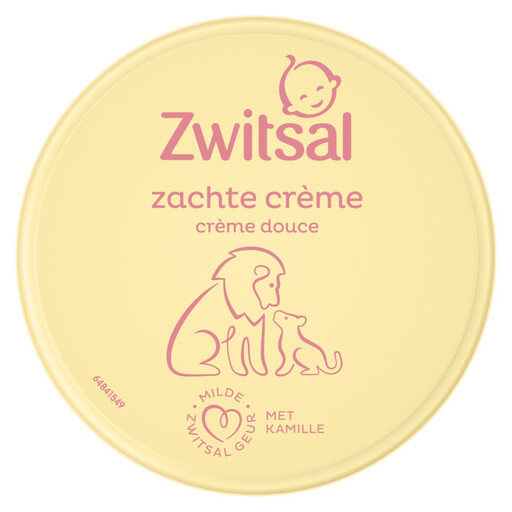
Why this suits the profile: A versatile baby cream for face and body, for example after a bath or on dry patches.
The product information states 200 ml, a pH-skin-neutral formula and use for face and body. Do check the fragrances and ingredients if you have sensitive skin.
200 ml volume, vitamin E, dermatologically tested according to the product information and suitable for baby skin.
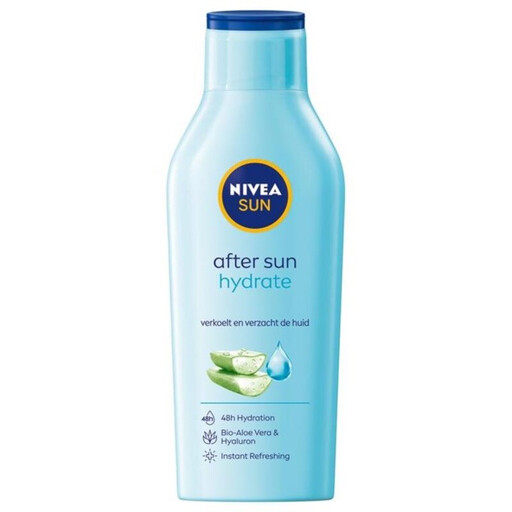
Why this suits the profile: A generous body lotion for use after sun exposure, at home or on holiday.
The product is clearly positioned as an aftersun lotion. According to the product information, the formula contains, among other things, aloe vera, vitamin E and hyaluronic acid. Aftersun does not replace SPF.
400 ml volume, light lotion texture and dermatologically tested according to the product description.
We’ve put together a full, up-to-date list of products that fully meet these strict selection criteria and comply with current European safety regulations.
A hydrating cream usually forms the final step and often has a richer texture. A serum is generally lighter and contains concentrated hydrating ingredients, such as hyaluronic acid. You can apply a serum after cleansing and then use a cream afterwards.
That depends on your skin and when you use it. Many people apply body lotion after showering, when the skin is clean. If you have dry skin, you may need to apply extra to tight-feeling areas. Follow the instructions on the label and stop if irritation occurs.
Look at the intended skin type, the ingredients list and the presence of perfume. A short formula without known irritating ingredients can be a practical starting point, but no product is suitable for everyone. Test a new product on a small area first and seek medical advice if skin problems persist or are severe.
