
Vandaag of morgen in huis

Kwaliteit gegarandeerd

Welkomstaanbiedingen ontgrendelen: GRATIS bezorging | Tot 80% korting | Gratis 30 dagen JoyPlus-proefperiode
Download de app
A hydrating serum can be a useful step when your skin feels tight, dull or rough. However, not every serum is suitable for every skin type. A long ingredients list, promises of a “glow” and terms such as “intensive hydration” say little on their own about how practical a product is for everyday use.
There are several common buying pitfalls, particularly if you have dry, sensitive or mature skin. Below, we explain what to look for in a hyaluronic acid serum, hydrating ampoule or facial serum. You’ll then find a selection suited to different situations.
Hyaluronic acid helps the skin retain moisture at its surface, but a serum does not automatically replace a cream. If you have dry skin, you will often need an occlusive moisturiser to help lock in the moisture you have applied. So also look for ingredients such as glycerine, panthenol, betaine, ceramides or soothing oils.
Different forms of hyaluronic acid may support different textures and skin layers, but the presence of three types does not guarantee a particular result. Always check the full ingredients list and directions for use.
A serum for dry skin often contains humectants, while a cream can provide more lipids and emollient ingredients. If you use only a lightweight serum, very dry or dehydrated skin may still feel tight.
For supporting the skin barrier, a simple routine is usually easier to follow: cleanse, apply a hydrating serum and finish with a cream. During the day, you should also use sun protection.
Claims such as “72-hour hydration”, “reduces fine lines” or “stimulates cell activity” are product claims. According to a brand’s own research, such results may have been measured under specific conditions; they will not automatically be the same for every user. Therefore, check the packaging, ingredients, contents and warnings before buying.
If you have sensitive skin, a patch test is advisable. Stop using the product if you experience redness, itching or a burning sensation, and follow the safety information on the packaging.
For a serum for dehydrated skin, humectants such as glycerine and hyaluronic acid are logical ingredients to compare. A niacinamide serum may be worth considering if you also want a more even-looking complexion alongside hydration. However, niacinamide is not equally comfortable for everyone, particularly if you already use several active products.
For dry or mature skin, panthenol, ceramides, squalane or plant oils can play an additional role in keeping the skin comfortable. If you prefer a lightweight texture, choose a watery serum; if your skin needs more nourishment, consider an oil serum or richer ampoule.
Don’t compare only the price; also consider the volume and dosage. A 30 ml bottle used a few drops at a time may work out differently from a duo of 2 x 20 ml or a course of ampoules. Also pay attention to the packaging:
Use a hydrating serum after cleansing and, if applicable, toner. Apply the product to slightly damp skin if permitted by the directions for use, and finish with moisturiser. Introduce new active ingredients one at a time. This makes it easier to identify which product feels comfortable.
Those who follow Korean skincare will often see ampoules containing several hydrating and soothing ingredients. However, the term “Korean skincare” says nothing about whether a product is suitable for your skin; the formula and your skin’s tolerance remain decisive.
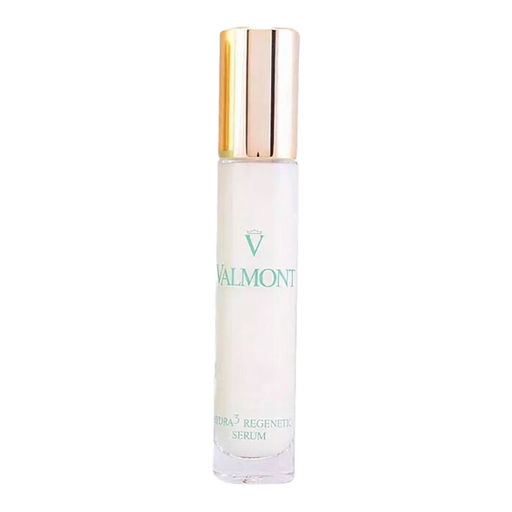
Why it suits this profile: Designed for users looking for a concentrated serum texture for mature or tired-looking skin, and who value a luxurious skincare step.
The product details state the volume of 30 ml, a serum texture, daytime and evening use, and a target group experiencing dryness or loss of firmness.
30 ml; lightweight lotion-like texture according to the product description; listed as vegan and paraben-free.
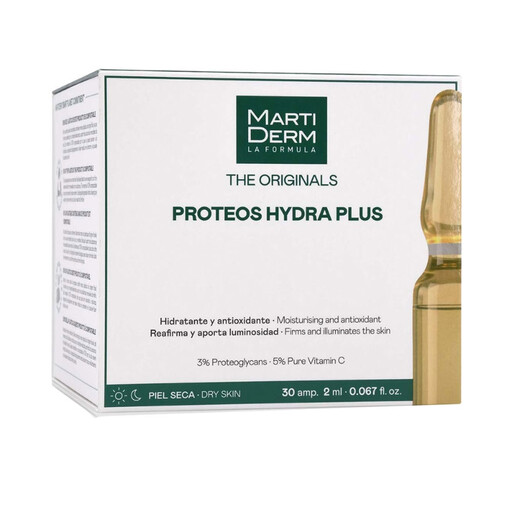
Why it suits this profile: Convenient for anyone who wants to follow a defined ampoule routine rather than measuring out a daily dose from one large bottle.
The packaging makes the number of applications clear: 30 ampoules of 2 ml. The formula lists, among other ingredients, proteoglycans and vitamin C; check the packaging if you have sensitive skin.
30 individual ampoules; 2 ml per ampoule; designed to hydrate and give the skin a more radiant appearance according to the product description.
We’ve put together a complete, up-to-date list of products that fully meet these strict selection criteria and the applicable European safety regulations.
Do not use several new serums at the same time. This helps prevent unnecessary irritation and makes it easier to identify which product suits you.
It can be, as hyaluronic acid helps bind moisture. If you have dry skin, it is advisable to apply a cream afterwards. A serum on its own may not provide enough comfort if your skin also needs soothing or occlusive ingredients.
This depends on the packaging. Some ampoules are intended for daily use, while others are designed as a temporary course. Follow the dosage and frequency stated on the label. If you have sensitive skin, you can start by using it less often and test it on a small area of skin first.
This is often possible, but check the full ingredients list. Introduce new active products gradually and watch for signs such as redness or stinging. A hydrating serum containing glycerine or hyaluronic acid is generally a simple base to use alongside other skincare steps, provided your skin tolerates the combination well.
