
Vandaag of morgen in huis

Kwaliteit gegarandeerd

Welkomstaanbiedingen ontgrendelen: GRATIS bezorging | Tot 80% korting | Gratis 30 dagen JoyPlus-proefperiode
Download de app
A hydrating serum can be a useful step for dry, dehydrated or dull skin. However, not every serum featuring words such as “intensive”, “deep hydration” or “glow” is automatically right for your routine. The formula, texture and instructions for use are just as important as the marketing on the front of the packaging.
A product name featuring a percentage of hyaluronic acid, collagen or a peptide can sound convincing. However, the percentage does not always tell you how the complete formula feels or which skin type it is suitable for. So, look at the full INCI list and check whether it also contains ingredients that help retain moisture, such as glycerine, panthenol, beta-glucan or ceramides.
A hyaluronic acid serum attracts moisture, but a serum on its own does not always create a sealing layer. For dry skin, it is therefore often a good idea to apply a moisturiser after your serum. This helps prevent your skin from feeling tight again, particularly in cold or dry weather in the Netherlands.
A serum for sensitive skin may still contain fragrances, essential oils or plant extracts. If your skin has reacted to these before, check the packaging for ingredients such as parfum, limonene, linalool, citral and geraniol. Always carry out a patch test before using a new formula and stop if you experience redness, itching or irritation.
Hyaluronic acid comes in different forms and molecular weights. According to the product description, a formula containing multiple forms, such as sodium hyaluronate, hydrolyzed hyaluronic acid and hyaluronic acid, may be designed to provide layered hydration. This does not automatically mean that every user will experience the same results.
A hyaluronic acid serum is particularly suited to skin that feels tight or temporarily lacks moisture. Ideally, apply it to slightly damp skin and follow with a cream. If you prefer a simpler formula, you can also look for glycerine, panthenol and betaine as key humectants.
For a skin barrier serum, ceramides, panthenol, beta-glucan and lipid-based ingredients are worth considering. Ceramides naturally occur in the skin and are often used in formulas that help limit moisture loss at the skin’s surface. Always check the current ingredients list on the packaging.
For mature or dull skin, niacinamide, adenosine, peptides or vitamin C derivatives may be particularly appealing. Claims such as smoother-looking skin, a more radiant appearance or less visible fine lines are cosmetic product claims. According to a brand’s own research or the product description, these ingredients may improve the appearance of the skin; individual results will vary.
A lightweight gel serum feels comfortable under sun cream or make-up. A lotion-like formula may feel more comfortable on dry skin, particularly in the evening. Also consider the size: 20, 30, 40, 50 or 100 ml can make a difference to the price per millilitre and how long the product lasts.
Usually, apply a few drops after cleansing and, if desired, toner. Always follow the instructions on the label. A hydrating facial serum is not a substitute for sun cream; during the day, use a separate SPF whenever your skin is exposed to sunlight.
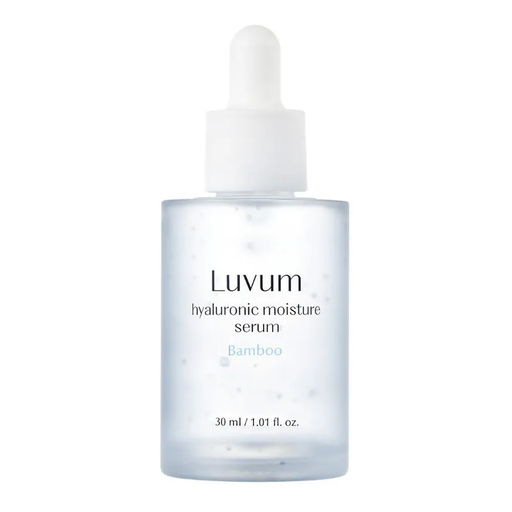
Why it suits this profile: A straightforward choice for anyone looking for a daily serum with bamboo extract, glycerine and hyaluronic acid. The recommended dosage is 2 to 3 drops for the face and neck, morning and evening.
The product information highlights the key hydrating ingredients and provides a specific dosage, making it less likely that you will apply too much product.
30 ml; lightweight texture; contains bamboo extract, glycerine and hyaluronic acid according to the product description.
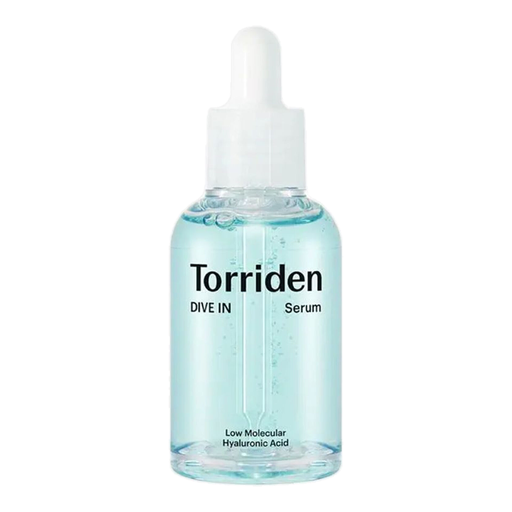
Why it suits this profile: Ideal for anyone looking for a Korean skincare serum formula with multiple forms of hyaluronic acid and additional barrier-supporting ingredients.
The product description specifies five types of hyaluronic acid and mentions panthenol, ceramide NP and beta-glucan. Check the current packaging for the complete composition.
50 ml; fragrance-free according to the product information; contains multiple moisture-binding and barrier-supporting ingredients.
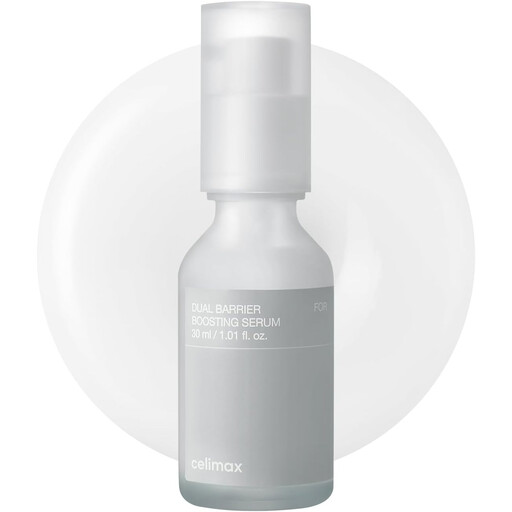
Why it suits this profile: A targeted choice for anyone primarily looking for a serum for sensitive and dry skin, with a focus on the skin barrier.
The product information mentions five ceramides and recommends a patch test. This makes it easier to introduce the formula gradually into a sensitive skincare routine.
30 ml; designed for dry and sensitive skin; contains an Aquatide Ceramide Complex according to the product information.
We have put together a complete, up-to-date list of products that fully meet these strict selection criteria and the applicable European safety regulations.
Cleanse your face, then apply a few drops. A hydrating serum often works well on slightly damp skin. Follow with a moisturiser. During the day, apply sun cream as the final step in your skincare routine. If your serum contains highly concentrated active ingredients, it may be best to introduce it gradually.
The shelf life is stated on the packaging. Look for the expiry date or the open-jar symbol, such as 12M. This means that, according to the packaging, the product can be used for twelve months after opening. Keep the serum closed, in a cool place and out of direct sunlight. Has the scent, colour or texture changed? Stop using it.
The price depends on the brand, size, ingredients and packaging. So, compare the price per 10 ml rather than just the amount shown on the product card. A 50 ml serum may work out cheaper to use than a smaller bottle, but only if the texture and formula suit your daily routine. This helps prevent you from buying a product that ends up unused in your bathroom.
