
Vandaag of morgen in huis

Kwaliteit gegarandeerd

Welkomstaanbiedingen ontgrendelen: GRATIS bezorging | Tot 80% korting | Gratis 30 dagen JoyPlus-proefperiode
Download de app
Dry skin doesn’t automatically call for a thick, greasy cream. Oily skin can actually feel tight when a moisturiser doesn’t hold enough moisture. And if you only focus on words like “72-hour hydration”, “natural ingredients” or “barrier repair”, you run the risk of buying a product that doesn’t suit your skin type or daily routine.
As a Joybuy Product Recommendation Officer, I filter the most important information from product descriptions and ingredient lists. This way, you can compare a hydrating moisturiser on practical points, without taking marketing claims as guaranteed results.
A full-bodied cream often feels instantly comfortable, but that doesn’t mean it’s suitable for every skin type. On oily or combination skin, a heavy formula can look shiny or feel unpleasant under make-up. A gel-cream or light lotion is often more practical in that case.
For dry skin, ingredients such as glycerine, oils, shea butter, squalane and occlusive agents can help keep moisture on the skin’s surface for longer. So don’t just look at the thickness of the cream, but also at the ingredients and the intended skin type.
More ingredients don’t automatically mean a better face cream. A short formula can be preferable if you want to avoid fragrance or certain plant extracts. Instead, check whether the ingredients match your goal:
Always read the current ingredient list on the packaging. Formulas can change.
Terms like “soothing”, “restoring” or “72 hours” often come from the brand’s own product communication. For example, Clinique states in its product description that Moisture Surge Intense hydrates for up to 72 hours. That is a brand claim, not a universal result for every skin type.
Words such as “hypoallergenic”, “dermatologically tested” and “non-comedogenic” also provide context, but they don’t rule out an individual reaction. If you have sensitive skin, a patch test is wise. Stop using the product if irritation occurs and follow the safety information on the packaging.
First, decide where you’ll use the product:
A hydrating face cream isn’t automatically the most practical body lotion for dry skin. The packaging, quantity and texture usually differ depending on the application.
For dry or tight-feeling skin, you can look for a combination of humectants and protective ingredients. A hyaluronic acid cream, for example, can give a light, dewy finish, while a ceramide cream focuses more on lipids and barrier care.
For oily or combination skin, light formulas such as a water gel or oil-free lotion are often more comfortable. Also pay attention to the finish: a matte or non-sticky texture can work better with sunscreen and make-up.
If you’re drawn to Korean skincare, you’ll often see ingredients like centella, rice extract, heartleaf, propolis or multiple forms of hyaluronic acid. Alongside the ingredient story, also look at the full INCI list, fragrances and the stated skin types.
Compare the price per 100 ml rather than just the selling price. A 50 ml pot may seem more expensive, but a small amount per use can affect how long it lasts. Also check the shelf life and the period after opening on the packaging.
Apply a face cream to cleansed skin and gradually introduce new active products. A cream with exfoliating ingredients, such as glycolic acid in certain formulas, requires extra attention to the usage instructions. Don’t simply combine multiple active products if your skin reacts sensitively to them.
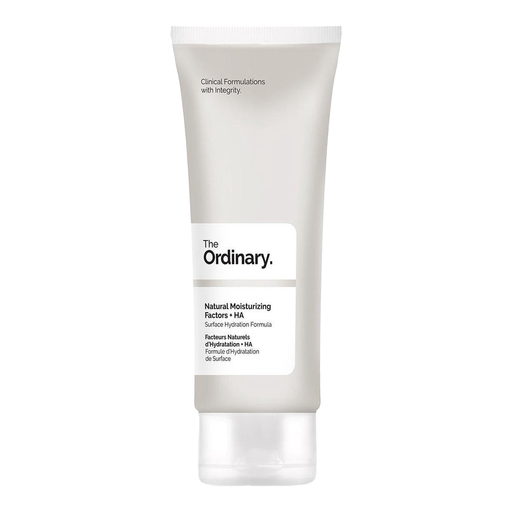
Why This Fits You: A straightforward moisturiser for anyone looking for a daily face cream without oil, alcohol, silicones or nut-derived ingredients, according to the product description.
The formula isn’t sold solely on a luxurious texture; the product information mentions NMF components and hyaluronic acid among other things.
100 ml volume; non-greasy formula; suitable according to the product data for multiple skin types.
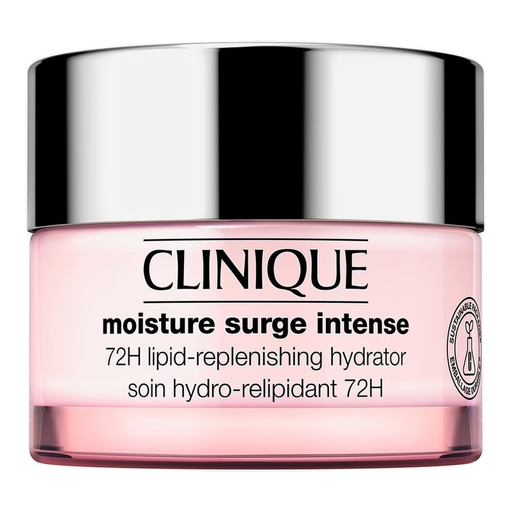
Why This Fits You: Suits anyone looking for a gel-cream for dry to very dry skin who also wants to use a product under or over make-up.
The product data states it is fragrance-free and contains a combination including glycerine, squalane and sodium hyaluronate.
50 ml; gel-cream texture; according to Clinique, up to 72 hours of hydration — this remains a brand claim.

Why This Fits You: An option for anyone specifically looking for a ceramide cream within a Korean skincare routine.
The ingredient list mentions multiple ceramides, cholesterol, phytosphingosine and different forms of hyaluronic acid.
80 ml; a patch test is recommended in the usage information; the formula contains ceramide NP, NS, AP, AS and EOP.
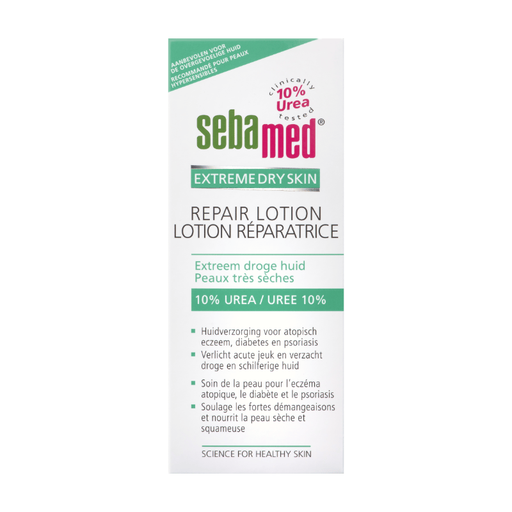
Why This Fits You: Suitable for anyone looking for a body lotion for dry skin with a clear focus on urea and use on dry body areas.
The 10% urea concentration is clearly stated in the product name and ingredient list, so you don’t have to rely on a general claim alone.
200 ml; intended for the body; apply as needed according to the usage instructions.
Browse a current selection of moisturisers and compare textures, ingredients, volumes and skin types before you order.
That depends on the formula and your skin. Many face creams are intended for use in the morning and evening, while a body lotion can be applied daily or as needed. Always follow the usage instructions on the packaging.
Yes, but choose a light lotion or gel-cream if possible. Look for terms like oil-free, non-greasy and fast-absorbing. The Beauty of Joseon Red Bean Hydrating Gel Cream and Oil Free Ultra Moisturizing Lotion are examples of light products from the selection; do check the current ingredient list and your own skin reaction.
The shelf life is stated on the packaging. After opening, a separate period sometimes applies, for example six months. Store the cream according to the instructions, close the packaging properly and do not use the product any more if the smell, colour or texture clearly changes.
