
Vandaag of morgen in huis

Kwaliteit gegarandeerd

Welkomstaanbiedingen ontgrendelen: GRATIS bezorging | Tot 80% korting | Gratis 30 dagen JoyPlus-proefperiode
Download de app
A hydrating gel moisturiser for your face feels light, usually absorbs quickly and fits easily into your daily routine. But a fresh gel texture doesn’t automatically mean a product is right for your skin. Oily skin can still feel tight, while sensitive skin may react to fragrance, alcohol or essential oils.
So don’t rely only on phrases such as “intensely hydrating” or “water gel”. Pay close attention to the ingredients list, the skin type it’s intended for and how you plan to use the cream.
A face gel can feel pleasant and absorb quickly, but a thin formula doesn’t always contain enough emollient or moisture-retaining ingredients for dry skin. Glycerine, hyaluronic acid and panthenol can help attract or retain moisture. Dry skin may also benefit from an additional conditioning ingredient such as squalane, dimethicone or shea butter.
An oil-free gel moisturiser often feels comfortable on oily or combination skin. Even so, it may contain ingredients your skin doesn’t respond well to. Always check the full ingredients list. If you have sensitive skin, pay particular attention to fragrance, limonene, linalool, alcohol denat. and essential oils.
Claims such as “100-hour hydration”, “barrier repair” or “non-comedogenic” are only useful if you check what they’re based on. A product description may simply repeat a brand’s claim, which doesn’t mean the results will be the same for everyone. Treat such information as a guide, and also look for verifiable details such as the product size, formula, fragrance status and stated skin type.
These ingredients are often useful for daily hydration:
A product with lots of active ingredients isn’t automatically a better choice. If your skin is reactive, a shorter ingredients list may be easier to assess.
A 30 to 50 ml jar or tube is handy for trying a product for the first time. Larger sizes, such as 100 or 180 ml, may offer better value for daily use, but only if you’ll use the product within the stated period after opening. Check the 12M symbol, the expiry information and the packaging.
Apply a gel moisturiser to clean skin. Follow with sun protection during the day. If you have sensitive skin, test a small amount on a limited area first. Stop using it if irritation occurs, and avoid contact with your eyes.
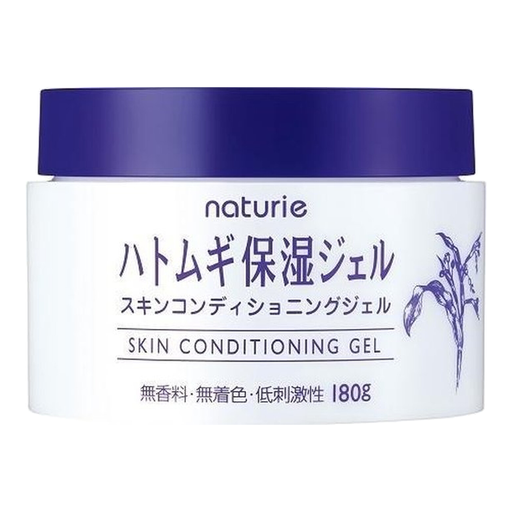
Why it suits this profile: The 180 g size is a good fit if you want to use a face gel every day and are also looking for a product for your body. The product information describes it as fragrance-free, alcohol-free and oil-free.
The ingredients list is short and doesn’t include fragrance. Still, always check the packaging, especially if your skin reacts easily.
180 g, gel texture and, according to the product information, suitable for the face and body.
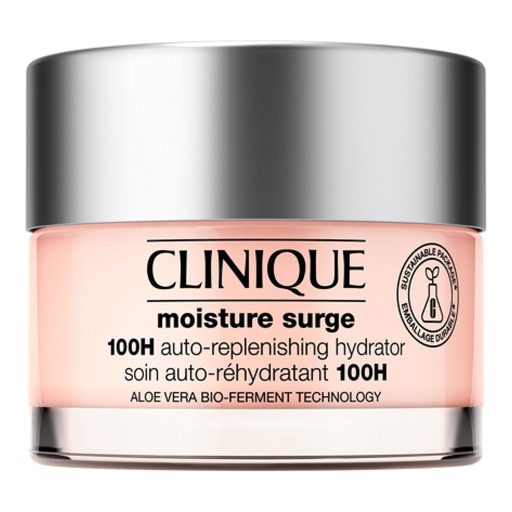
Why it suits this profile: According to the product specifications, this gel cream is oil-free, fragrance-free, alcohol-free and non-comedogenic. That makes it a practical option if you’re looking for a versatile everyday moisturiser.
The formula information makes clear that no fragrance or oil has been added. Check the current packaging when you buy it.
50 ml, gel cream, suitable for several skin types and described as non-comedogenic.
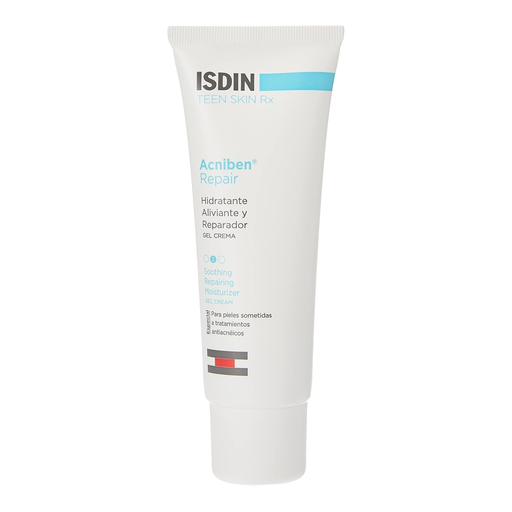
Why it suits this profile: The product information is aimed at sensitive and acne-prone skin, and describes a fragrance-free formula with hyaluronic acid. It’s a good fit if you’re looking for a targeted, lightweight gel cream.
According to the product specifications, the formula is fragrance-free. Even so, test it on a small area of skin first, and don’t use it on damaged skin without appropriate advice.
40 ml, fragrance-free gel cream and hyaluronic acid listed in the product specifications.
We’ve put together a complete, up-to-date list of products that meet these strict selection criteria and current European safety regulations.
Often, yes, especially if the formula is light and oil-free. Also check whether the product information identifies a suitable skin type and, where relevant, includes the non-comedogenic claim. Oily skin still needs hydration; a routine that’s too drying can feel uncomfortable.
Yes, a thin layer of gel moisturiser can work well under make-up. Let the cream absorb first, then apply sun protection and make-up. Using too much product can cause it to pill, especially if you’re using several serums.
It varies by product. Check the packaging for a symbol such as 12M, which usually indicates the recommended period for use after opening. Keep the cream tightly closed, out of direct sunlight and follow the manufacturer’s instructions.
