
Same-day & Next-day Delivery

Quality Guaranteed

Unlock Your Welcome Offers: FREE Delivery | Up to 80% OFF | Free 30-day JoyPlus trial
Download the APP
A hydrating gel cream often feels lighter than a classic face cream. This makes this type of product appealing if you want a fresh feel without a greasy layer. However, not every gel cream is suitable for every skin type. A shiny finish, fragrance or formula that is too thin can be disappointing in practice.
The right choice therefore depends on more than terms such as “intensive skin hydration” or “water gel”. Pay particular attention to your skin needs, ingredients, texture and instructions for use.
A face gel can absorb quickly, but that does not automatically mean your skin will remain comfortable for a long time. Dry or dehydrated skin needs a formula that attracts moisture and helps to retain it. Ingredients such as glycerine, panthenol, beta-glucan, squalane and hyaluronic acid can play a role here.
If you have oily or combination skin, you will generally want a thin layer without a heavy or sticky feel. A lightweight gel cream may be more practical than a rich cream in this case.
Claims such as “72-hour hydration”, “strengthens the skin barrier” or “immediately visible results” are not equally relevant to every skin type. According to a brand’s own research, such claims may describe a particular effect, but they are not a guarantee for every user.
So check the ingredients list. If you have sensitive skin, also look out for potential fragrances, alcohol and plant extracts. “Natural”, “hypoallergenic” or “dermatologically tested” does not mean that a product will be problem-free for everyone.
A hyaluronic acid gel used as a serum is generally intended as an additional step before moisturiser. An eye gel is formulated for the skin around the eyes and often comes in a smaller size. A face gel or gel cream is intended for a larger area of the face and sometimes the neck as well.
Always check the product type, contents and area of application before ordering. For example, a 15 ml pack could be an eye product rather than a full-size hydrating face cream.
A gel cream for sensitive skin is not automatically suitable for irritated skin. Test a new product on a small area of skin first and stop using it if you experience a burning sensation, itching or swelling.
Hyaluronic acid and glycerine attract moisture. Panthenol, squalane and beta-glucan can help create a comfortable skin feel. PURITO Oat Soothing Gel Cream lists 77% oat seed water, along with glycerine, squalane, panthenol and beta-glucan.
Neutrogena Hydro Boost products mention hyaluronic acid, amino acids, electrolytes and ceramides, among other ingredients. The percentages and effects mentioned come from the brand’s product description, so consider them brand communication rather than a personal result.
Compare the number of millilitres or grams with the recommended amount. A 125 ml product can be good value for daily use, while a 50 ml jar is more compact for travel. Also check the packaging, expiry date and period after opening on the label.
A hydrating gel cream is generally applied to cleansed skin. A serum usually comes first; in the morning, sun protection should be the final skincare step. Always follow the instructions for the specific product.
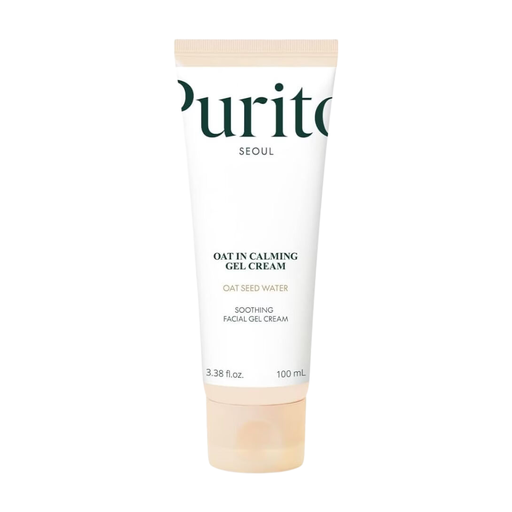
Why it suits this profile: This gel cream contains 100 ml and has a lightweight formula for daily use in the morning and evening. The product description lists oat seed water, glycerine, panthenol, squalane and beta-glucan.
The key hydrating and soothing ingredients are clearly listed in the product details, so you do not have to rely solely on the word “gel”.
100 ml contents; gel cream with panthenol, squalane and beta-glucan; suitable for daily use according to the product information.
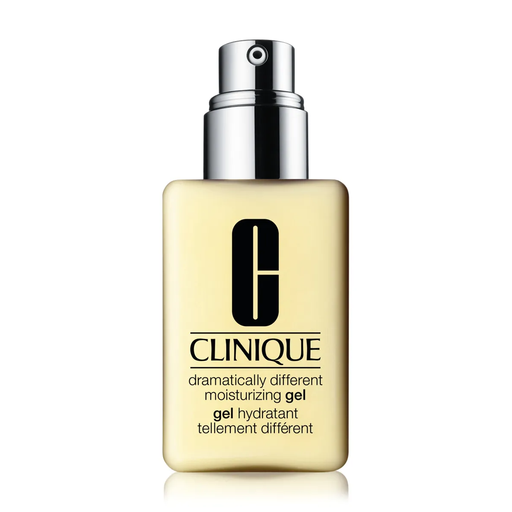
Why it suits this profile: This oil-free moisturiser contains 125 ml and, according to the product details, is particularly associated with oily or combination skin.
The product description specifies the oil-free gel texture and intended skin type. This makes the choice more specific than a general claim about hydration.
125 ml contents; oil-free gel; listed as fragrance-free in the product specifications; intended for the face and neck.
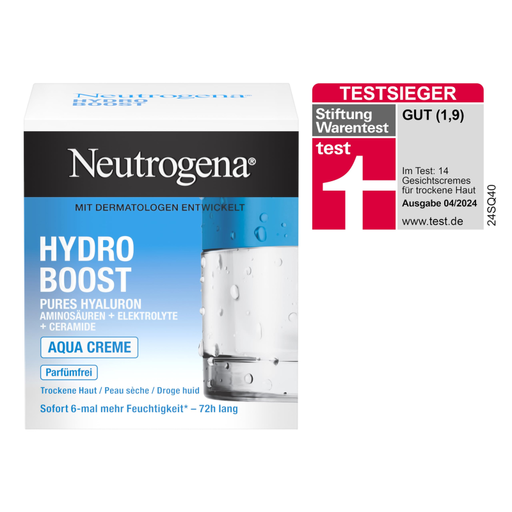
Why it suits this profile: The product description mentions an oil-free, non-comedogenic formula with hyaluronic acid, amino acids, electrolytes and ceramides. According to the description, the gel can be used under make-up or over a serum.
The formula has not been selected based on texture alone: the product information also lists the hydrating and nourishing ingredients it contains.
Oil-free formula; hyaluronic acid, amino acids, electrolytes and ceramides listed; suitable for use with serum or make-up.
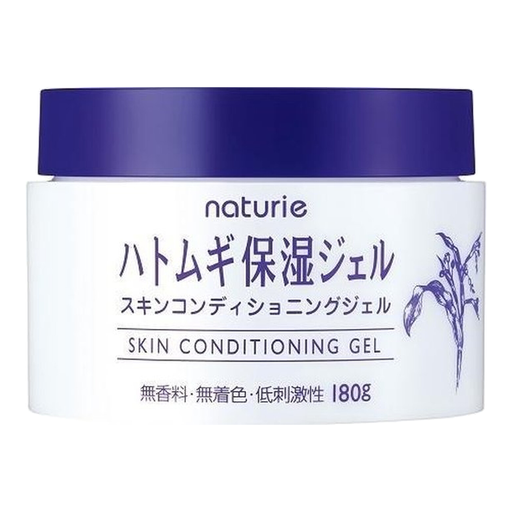
Why it suits this profile: The gel contains 180 g and, according to the product description, can be used on the face and body. Its texture is described as lightweight, fast-absorbing and non-sticky.
With its larger size and multiple uses, this is not a small gel intended exclusively for the face.
180 g contents; suitable for the face and body according to the product information; listed as fragrance-free; glycerine appears in the ingredients list.
We have put together a complete, up-to-date list of products that fully meet these strict selection criteria and the applicable European safety regulations.
Often, yes, particularly when the product details describe the formula as oil-free, lightweight and non-comedogenic. However, check the full ingredients list. A gel cream for oily skin can feel comfortable during the day, while dry areas of the face may need additional care.
Cleanse your face first. Then apply a serum if required and spread a small amount of gel cream over your face and neck. Use sun protection in the morning. Follow the specific instructions for each product and avoid contact with the eyes.
Check the packaging for the expiry date and the symbol indicating the period after opening, such as 6M or 12M. Keep the product closed and store it in a cool, dry place away from direct sunlight. Has the fragrance, colour or texture changed? Stop using it and check the label.
