
Same-day & Next-day Delivery

Quality Guaranteed

Unlock Your Welcome Offers: FREE Delivery | Up to 80% OFF | Free 30-day JoyPlus trial
Download the APP
A hydrating gel cream feels lightweight, absorbs quickly and is therefore well suited to oily, combination or sensitive skin. However, many products look similar. A gel cream may feel pleasantly fresh, for example, but not provide enough comfort for dry skin. Similarly, a term such as “oil-free” does not automatically mean that a formula is suitable for every skin type.
That is why it is important to consider the ingredients, intended use and information on the packaging. Below, you can read about the pitfalls to avoid and which popular options suit different user profiles.
A watery face gel can disappear quickly without leaving your skin feeling comfortable for long. So do not look only at the texture, but also at ingredients such as glycerine, panthenol, beta-glucan, squalane or different forms of hyaluronic acid. These ingredients are often found in hydrating face creams and gel moisturisers.
The effect depends on the complete formula and the condition of your skin. According to a brand’s own research or claims, certain ingredients may help retain moisture, but this does not guarantee the same results for every user.
A gel cream for oily skin is sometimes presented as a solution for shine, pores or blemishes. Check what is actually stated, such as oil-free, non-comedogenic, a specified skin type or the presence of niacinamide. These properties describe the formula, but do not promise a medical effect.
If you have acne-prone or sensitive skin, it is advisable to apply a small amount to a limited area of skin first. Stop using the product if you experience redness, itching, swelling or a burning sensation, and follow the safety information on the packaging.
A 100 ml pot or tube may seem like good value, but it is less practical if your skin reacts badly to an ingredient. Before buying, check the full ingredients list, contents and period after opening. Fragrances, plant extracts and preservatives may be relevant for some users, even when a product is described as gentle.
A lightweight face cream or gel cream usually feels thinner than a traditional cream. For oily or combination skin, a fast-absorbing, oil-free formula may feel comfortable. Drier skin may instead benefit from a gel cream that combines more moisture-binding ingredients with a richer base.
Also consider how the product looks and feels under sun cream or make-up. Apply a small amount first and give the formula time to absorb. This will help you see whether the gel pills, feels sticky or remains comfortable.
Glycerine and hyaluronic acid are often used for everyday hydration. Products containing panthenol or beta-glucan may be worth considering if you are mainly looking for a soothing gel cream. Niacinamide is often found in formulas designed to promote a more even-looking complexion and a lightweight, balanced finish.
Always check the ingredients on the current label. Product formulas may change, and a product description does not replace the packaging.
A 50 ml product is convenient for a simple morning and evening routine. A size between 75 and 180 ml may offer better value for daily use, but pay attention to the packaging and hygienic application. Use clean hands or a spatula with a pot, and close the packaging securely.
A hydrating gel cream is not a substitute for sun cream. During the day, use suitable sun protection as the final step in your routine. Apply the gel cream to cleansed skin, optionally after a serum, and then apply sun cream.

Why it suits this profile: The 100 ml size and lightweight gel-cream texture are well suited to a simple morning and evening routine. The product description states that it contains 77% oat seed water, panthenol, squalane and beta-glucan.
The ingredients list is available, allowing you to check the formula instead of relying solely on the term “soothing”.
100 ml contents; panthenol, squalane and beta-glucan are listed in the formula; suitable for morning and evening use according to the product information.

Why it suits this profile: This gel cream is alcohol-free, fragrance-free and, according to the product information, non-comedogenic. The 30 ml size is suitable if you want to try the formula first.
The product details mention several formula characteristics, so you do not have to rely solely on the promise of long-lasting hydration.
Gel base; 30 ml; alcohol-free, fragrance-free and non-comedogenic according to the stated product details.
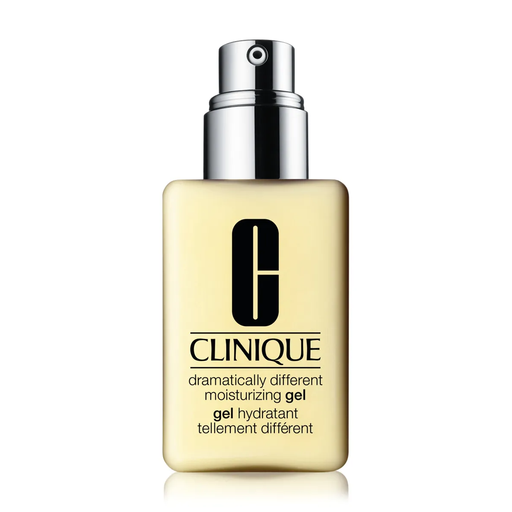
Why it suits this profile: The 125 ml size is practical for everyday use. The product information positions this oil-free face cream primarily for oily or combination skin.
The formula is described as oil-free and fragrance-free. If you have sensitive skin, still check the full ingredients list and carry out a patch test.
125 ml contents; oil-free gel texture; fragrance-free and intended for oily skin according to the product details.
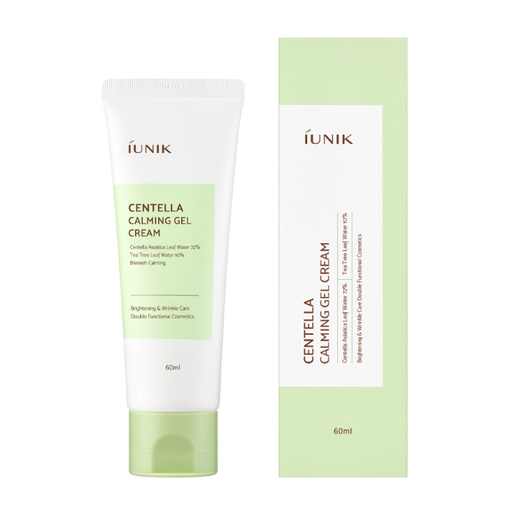
Why it suits this profile: According to the product description, this Korean skincare gel cream combines centella asiatica, tea tree extract, niacinamide and adenosine with a lightweight gel texture.
The product description does not mention a heavy, sticky finish. The soothing claim is a brand claim and should not be considered a medical effect.
60 ml; gel texture; centella asiatica and tea tree extract are listed in the formula; aimed at oily, combination or sensitive skin according to the product information.
We have put together a complete, up-to-date list of products that fully meet these strict selection criteria and the applicable European safety regulations.
Often, yes, especially when you choose a lightweight, oil-free or non-comedogenic formula. Check the product details and ingredients list. Oily skin can still need moisture; an overly drying routine may feel uncomfortable.
Yes, this is usually possible. Apply a thin layer to cleansed skin and allow it to absorb before using primer, make-up or sun cream. Test the combination first, as some formulas may pill when several layers are applied on top of one another.
This varies from product to product. Check the packaging for the open-jar symbol, such as 12M, or for the shelf-life information. Store the gel cream in a cool, dry place away from direct sunlight, and close the packaging securely after use.
