
Vandaag of morgen in huis

Kwaliteit gegarandeerd

Welkomstaanbiedingen ontgrendelen: GRATIS bezorging | Tot 80% korting | Gratis 30 dagen JoyPlus-proefperiode
Download de app
A hydrating gel cream for the face feels light, absorbs quickly, and fits well into a daily skincare routine. Yet, the options can seem very similar. A product might promise “intensive hydration”, while the texture is too sticky, contains fragrance, or doesn’t suit oily skin.
With this practical guide, you’ll look beyond marketing claims and focus on skin type, ingredients, texture, and verifiable product specifications.
Brands sometimes make claims like 72 or 100 hours of hydration. According to the brand’s own research, such results may have been measured under specific conditions. That doesn’t automatically mean every user will have the same experience. So, also look at the formulation: ingredients like glycerin, hyaluronic acid, panthenol and trehalose help attract or retain moisture, but the final effect varies depending on your skin and climate.
A watery gel can feel great on oily or combination skin, but may not feel comfortable enough on dry skin. A gel cream for dry skin often contains soothing or barrier-supporting ingredients. So, check whether the formula also contains emollients, ceramides or silicones alongside hydrating ingredients.
A Korean gel cream can have a pleasant, light texture, but natural extracts and essential oils may be less suitable for some people. Also, “fragrance-free”, “oil-free” and “non-comedogenic” are separate properties. Always check the current ingredients list on the packaging, especially if you have sensitive or acne-prone skin.
Choose based on how your skin feels throughout the day:
Start by applying a small amount. Too much product can cause pilling when you later apply sunscreen or make-up.
A hyaluronic acid face cream is especially interesting when you’re looking for a moisture-binding ingredient. The product information should make it clear whether it contains hyaluronic acid, sodium hyaluronate or a similar form. For oily skin, niacinamide and light silicones can be pleasant, but the overall formula is more important than one popular ingredient.
Salicylic acid appears in some formulas for oily or blemish-prone skin. It can make the skin more sensitive or cause stinging. Use a product with this ingredient according to the label and don’t combine multiple exfoliating products without careful thought.
Look out for:
According to the principles of the ACM, recommendations must be verifiable. That’s why the choices below are linked to the product specifications stated with each product.
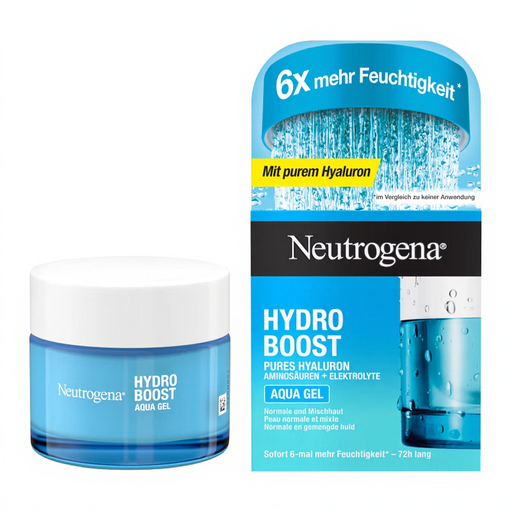
Why this fits the profile: An accessible gel cream for anyone looking for a daily, fast-absorbing moisturiser without an oily finish. The product information mentions use on a cleansed face and neck.
The specifications mention an oil-free formula and a light texture. Do check the full INCI list if you want to avoid fragrance or certain auxiliary ingredients.
Contains, according to the product description, hyaluronic acid, amino acids and electrolytes; suitable for normal and combination skin types according to the stated product specifications.
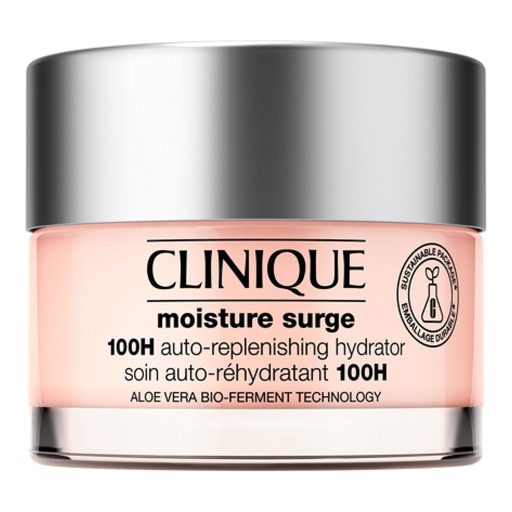
Why this fits the profile: Interesting for anyone looking for an oil-free gel cream with a broad stated target audience: dry, very dry, combination and oily skin types.
The product specifications state that it is free of oil, fragrance, alcohol and parabens, as well as non-comedogenic. Check the packaging at purchase for the current formulation.
Contains, according to the ingredients list, hyaluronic acid and aloe components; the stated volume is 50 ml and the formula is oil- and fragrance-free.
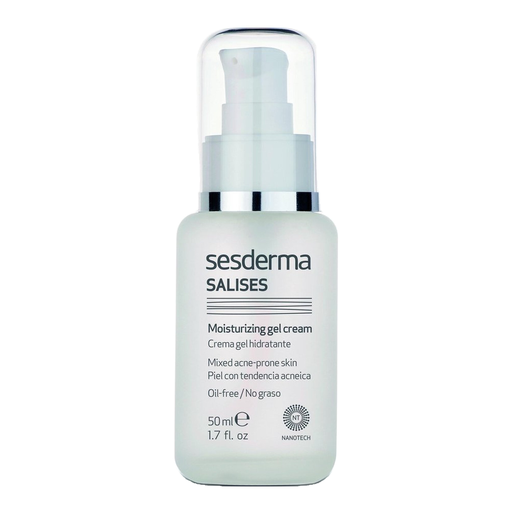
Why this fits the profile: Aimed at users with oily, combination or acne-prone skin who want to combine hydration with a gel texture for daily use.
The product page explicitly states the skin type, the gel structure and the absence of fragrance. Because of the salicylic acid, it may be wise to build up use gradually.
Contains, according to the product information, salicylic acid, niacinamide and aloe vera; the product information states that it is fragrance-free, vegan and suitable for acne-prone, oily and combination skin.
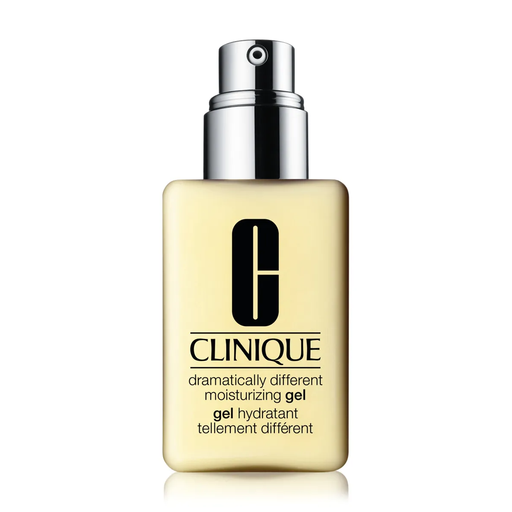
Why this fits the profile: A larger size for anyone who regularly uses an oil-free facial gel and wants a fragrance-free formula.
The product details mention an oil-free, fragrance-free gel for oily or combination skin. If irritation occurs, you should stop using it.
125 ml volume; the product specifications state fragrance-free, hypoallergenic and oil-free, with application to face and neck.
We’ve put together a full, up-to-date list of products that fully meet these strict selection criteria and comply with current European safety regulations.
Often, yes, especially when the formula is oil-free, light and non-sticky. Also check whether the manufacturer states the product is suitable for oily or combination skin. Start with a small amount and assess after a few days whether your skin remains comfortable.
Yes, many gel creams are practical for this because they absorb quickly. Apply a thin layer to a cleansed face, wait a moment, and then use sun protection and make-up. If the product pills, you’re probably using too much or combining layers that don’t work well together.
Follow the PAO symbol on the packaging, for example 12M or 24M after opening, and store the product in a cool place away from direct sunlight. A change in smell, colour or texture could be a reason to stop using the product. Check the packaging and the current ingredients list with every purchase.
