
Vandaag of morgen in huis

Kwaliteit gegarandeerd

Welkomstaanbiedingen ontgrendelen: GRATIS bezorging | Tot 80% korting | Gratis 30 dagen JoyPlus-proefperiode
Download de app
A hydrating gel cream for the face is popular because its texture feels lightweight and absorbs quickly. However, not every gel cream is suitable for every skin type. Oily skin may react to a formula that is too rich, while dry skin sometimes needs more than a water-based gel alone.
As a Joybuy Product Recommendation Officer, I filter product information based on practical criteria: skin type, ingredients, size, usage and clear product claims. This helps you avoid paying mainly for marketing language.
Not every gel labelled “hydrating” is intended for the face. The NIVEA Soft Care Shower Gel Shea Butter & Botanical Oil 250 ml, for example, is a body shower gel. According to the product description, it should be applied to wet skin and then rinsed off. That makes it unsuitable as an alternative to a leave-on facial gel for hydration.
Always check whether:
Claims such as “100 hours of hydration”, “6 times more moisture” or “penetrates deeply” come from product descriptions and brand communications. According to Clinique’s and Neutrogena’s own research, these figures refer to their individual testing methods; they are not automatically comparable across brands.
Alongside such claims, look for verifiable information:
A lightweight facial cream can feel comfortable during the day or under makeup, but a gel texture does not automatically reveal anything about the formula. Some products contain silicones, oils, alcohol, fragrance or active acids. That is not necessarily a drawback, but it can affect how the product feels on your skin and how well you tolerate it.
For a gel cream for oily skin or a gel cream for combination skin, oil-free and non-greasy formulas are often practical choices. Also look for “non-comedogenic” if you prefer not to place additional strain on your pores.
For dry skin, a gel moisturiser containing glycerin, hyaluronic acid, panthenol or dimethicone can provide a comfortable feeling of moisture. For sensitive skin, a short ingredient list and a fragrance-free formula are often a more straightforward place to start.
Test a product on a small area of skin first. Stop using it if redness, itching, stinging or swelling occurs. A cosmetic product is not a substitute for medical advice, particularly in the case of persistent skin concerns.
A 50 ml jar or tube is convenient for trying a product first, while 100 ml or 180 g may offer better value for daily use. However, a larger pack does not automatically mean a lower cost per application. The amount needed varies according to the texture.
A pump dispenser can make the product easy to dose. With a jar, keep the packaging properly closed and use clean hands. Always check the expiry date and the period after opening indicated on the packaging.
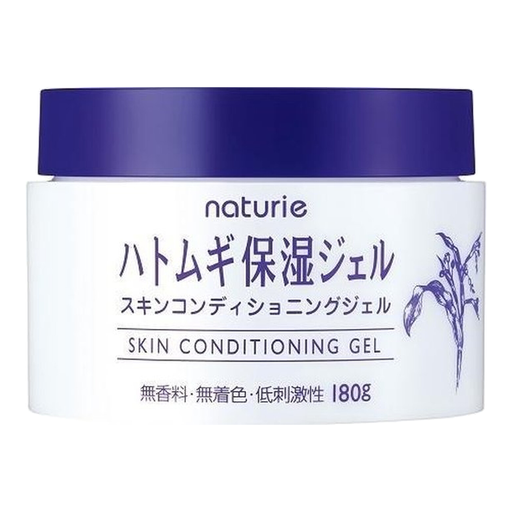
Why it suits this profile: The 180 g size is practical for daily use on the face and body, including when you want to establish a simple routine.
The product information describes an alcohol-free, fragrance-free and non-sticky formula. Always check the current packaging.
Contains glycerin and dimethicone according to the listed ingredients; described as suitable for oily, combination and sensitive skin, among others.
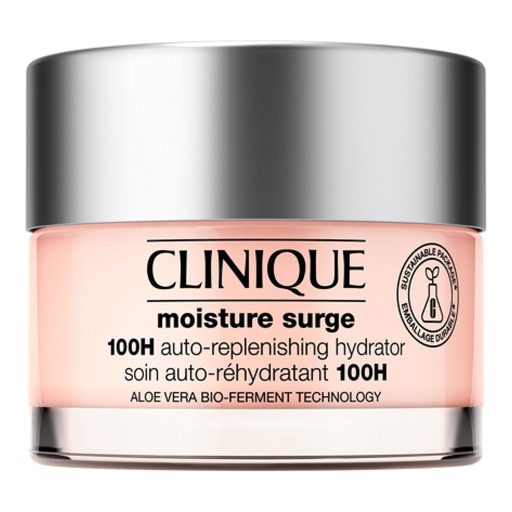
Why it suits this profile: An oil-free gel cream for anyone looking for a lightweight texture and who prefers to avoid fragrance in facial skincare.
The product details state fragrance-free, alcohol-free and non-comedogenic. Brand claims about the duration of hydration are not universally comparable.
75 ml of oil-free gel cream containing glycerin, aloe and sodium hyaluronate, among other ingredients, according to the ingredient list.
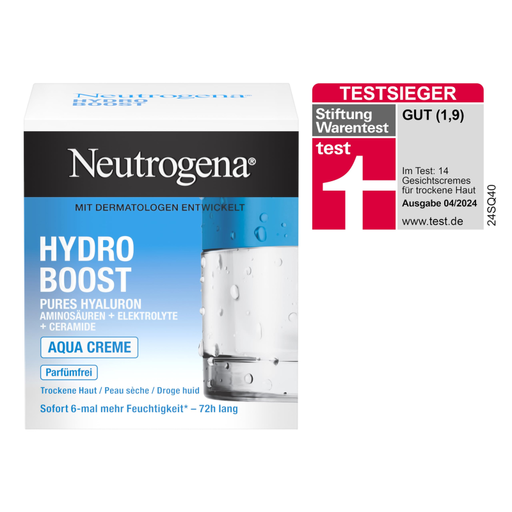
Why it suits this profile: The formula is designed as a daily moisturiser and, according to the product description, can be used under makeup or over a serum.
The product details state that it is oil-free, non-comedogenic and dye-free. Check the complete INCI list if you have allergies.
According to the product description, it contains hyaluronic acid, amino acids, electrolytes and ceramides; 50 ml in size.
Explore a current selection of hydrating gels for women and compare skin type, texture, size and ingredients before ordering.
It can be, particularly when the formula is oil-free, lightweight and non-comedogenic according to the product information. Also check whether it contains fragrance, alcohol or active acids. Individual skin tolerance varies.
Cleanse your face first, then apply a small amount to slightly damp skin. Follow the brand’s usage instructions. During the day, separate sun protection should be part of a complete facial skincare routine, especially when using products containing acids or vitamin C.
A 50 ml package can last anywhere from several weeks to several months with daily use, depending on how much you apply each time. A 100 ml or 180 g product will generally last longer, but always check the period after opening and the expiry date on the packaging.
