
Vandaag of morgen in huis

Kwaliteit gegarandeerd

Welkomstaanbiedingen ontgrendelen: GRATIS bezorging | Tot 80% korting | Gratis 30 dagen JoyPlus-proefperiode
Download de app
A hydrating gel cream for the face often feels lighter than a traditional cream. This makes this type of moisturiser appealing for oily, combination or blemish-prone skin, as well as for anyone who does not want a heavy layer under make-up during the day. However, a fresh gel texture does not automatically mean that a product is suitable for your skin.
Marketing can sometimes make the choice unnecessarily difficult. For example, a product may promise “intense hydration”, while the formula mainly consists of humectants and contains few ingredients that help lock in moisture. Terms such as “natural”, “clean” or “for all skin types” do not always provide enough information either. Start by looking at the full product description, ingredients list and directions for use.
A watery gel feels pleasant and absorbs quickly, but a very lightweight formula is not enough for everyone. For dry skin or a face cream for a compromised skin barrier, soothing and occlusive ingredients are also relevant, such as squalane, fatty acids, cholesterol, silicones or ceramides.
Claims about long-lasting hydration, pores, redness or a more even-looking complexion are brand claims. According to a brand’s own research, such results may come from a specific user test and do not automatically apply to every consumer. Instead, focus on what can be checked: the ingredients, amount, texture, stated skin types and safety information.
According to the product information, a non-comedogenic face cream is designed to help prevent pores from becoming blocked as easily. This is not a personal guarantee. Skin reactions vary from person to person and may also be linked to other products in your routine. If you have sensitive or blemish-prone skin, a patch test is advisable, particularly when the formula contains fragrance, essential oils or numerous plant extracts.
A face cream with hyaluronic acid often contains sodium hyaluronate, hydrolyzed hyaluronic acid or another form of hyaluronic acid. Glycerine, butylene glycol, betaine and panthenol are also commonly used humectants.
Ceramides, cholesterol and phytosphingosine are particularly suitable for consumers looking for a formula for dry skin or a skin barrier that temporarily feels less comfortable. According to the product description, The Ceramide Skin Barrier Moisturizer contains several ceramides, cholesterol, panthenol and different forms of hyaluronic acid.
Do not just compare the price of a jar or tube; compare the amount as well. Products in this selection range, for example, from 50 ml to 100 ml. A gel cream that you use twice a day will run out more quickly than one applied only in the morning.
Use a moisturiser generally after serum or ampoule and before sunscreen during the day. Check the expiry date and batch number on the packaging. Store the product in a cool, dry place away from direct sunlight, and close the jar or tube securely.

Why it suits this profile: The 100 ml size is practical for daily use in the morning and evening. According to the product information, the gel cream contains 77% oat seed water, squalane, panthenol and beta-glucan.
The product description mentions a lightweight texture without a greasy feel and provides clear guidance on use and storage. If you have sensitive skin, be sure to check the full ingredients list.
100 ml; glycerine, squalane and panthenol listed among the ingredients; suitable for use under sunscreen.

Why it suits this profile: This formula focuses on hydration and barrier care, with ceramides, cholesterol, squalane, panthenol and several forms of hyaluronic acid.
The formula shows that this is not just a watery gel: it also contains soothing and moisture-retaining components. The listing also states that it is hypoallergenic, non-comedogenic and dermatologically tested; these are product claims, not a personal guarantee.
80 ml; ceramide NP, NS, AP, AS and EOP listed; contains sodium hyaluronate and hydrolyzed hyaluronic acid.
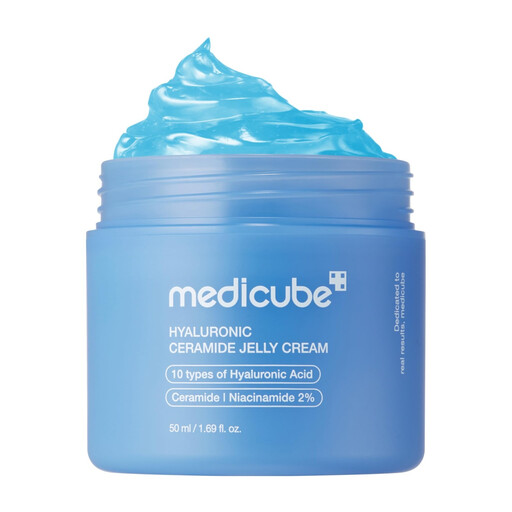
Why it suits this profile: The clear jelly texture is intended for users looking for a refreshing gel cream for daily hydration, with additional focus on ceramides and hyaluronic acid.
The product information specifies the texture, size and key ingredients. The list does not mention fragrance, but always check the packaging, as ingredients may vary between batches.
50 ml; glycerine, panthenol, squalane, ceramide NP and sodium hyaluronate listed; suitable as the final cream step.
We have put together a complete, up-to-date list of products that fully meet these strict selection criteria and the applicable European safety regulations.
Look for a gel cream with a thin texture and check whether the product information states that it is oil-free or non-comedogenic. Clinique Dramatically Different Moisturizing Gel and Beauty of Joseon Red Bean Hydrating Gel Cream are examples described in the product information as having a lightweight formula and being aimed at oily or combination skin. This is still just a starting point; if you have reactive skin, try a small amount first.
It can be, but check for fragrance, essential oils, alcohol and plant extracts. A product described as suitable for sensitive skin is not automatically suitable for every user. Carry out a patch test and stop using it if persistent redness, itching or a burning sensation occurs. Avoid applying it to damaged skin and follow the safety instructions on the packaging.
This depends on the amount and how much you use each time. With two applications a day, 50 ml will generally run out sooner than 75 or 100 ml. After opening, note the period-after-opening symbol on the packaging and keep the cream closed, cool and away from direct sunlight. This helps prevent unnecessary product waste caused by drying out or changes in texture.
