
Same-day & Next-day Delivery

Quality Guaranteed

Unlock Your Welcome Offers: FREE Delivery | Up to 80% OFF | Free 30-day JoyPlus trial
Download the APP
A hydrating gel cream for the face may seem easy to choose: you look for a lightweight texture, a pleasing ingredient and packaging that fits your budget. Yet two products making almost identical promises can feel completely different. A gel cream can become sticky under sun cream, fragrance can irritate sensitive skin and a formula for oily skin may not provide enough comfort when your skin is dry.
So don’t focus only on words such as “boost”, “glow” or “anti-ageing”. Look at the ingredients list, skin type, usage instructions and quantity. This allows you to compare a face gel based on verifiable factors rather than marketing language.
A gel cream often feels fresh and absorbs quickly. That does not automatically mean the formula retains enough moisture for dry skin. Glycerine, panthenol, hyaluronic acid, beta-glucan or squalane can all contribute to a comfortable feel, but the overall formula determines the result.
For dry or tight-feeling skin, a lightweight face cream may not be enough on its own. You could use a serum and apply the gel cream as the final layer. Always check whether the packaging states that the product is suitable for your skin type.
A gel cream for sensitive skin is not automatically free from potential irritants. Look out for fragrance, alcohol denat., essential oils and plant extracts if your skin reacts easily. “Natural” does not, in itself, say anything about how well a product will be tolerated.
When trying a new product, first carry out a small test on a limited area of skin. Stop using it if you experience burning, itching, redness or swelling, and consult a doctor if symptoms persist.
Claims such as “24-hour hydration”, “pore care” or “visible wrinkle reduction” depend on the measuring method used and on individual skin. According to NIVEA’s own research, 24-hour hydration for the Sensitive Skin & Beard Face Gel was measured in an instrumental test involving 37 men. This is relevant information, but it is not a guarantee for every user.
Instead, focus mainly on the formula, application and skin type. An oil-free face cream may feel comfortable on oilier skin, while a formula containing squalane or shea butter may provide more comfort for dry skin.
A face gel or gel cream usually works well under sun cream and make-up, provided the formula does not pill. Apply a small amount to cleansed skin and wait briefly before using another product. Dry skin may need an additional cream. During the day, sun cream should be the final skincare step.
Don’t compare just the price; consider the size as well. A 100 ml jar or tube may offer better value per millilitre than a 40 or 50 ml pack. Check the packaging for the expiry date, batch information and period after opening. Store the product in a cool, dry place away from direct sunlight, as stated in the product instructions.
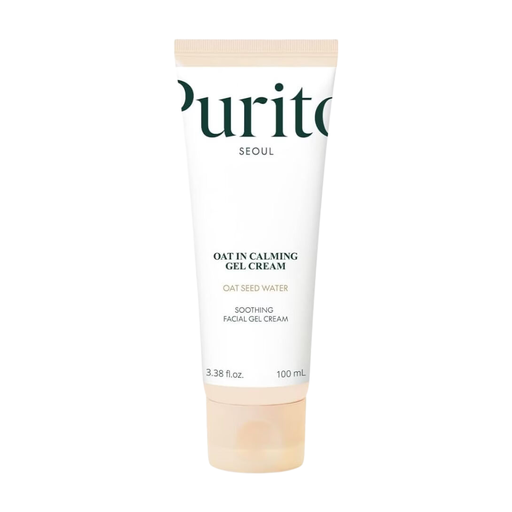
Why it suits this profile: The packaging contains 100 ml, and according to the product description, the gel cream is intended for daily use in the morning and evening. The formula contains, among other ingredients, 77% oat seed water, glycerine, panthenol, squalane and beta-glucan.
The ingredients list makes it clear what the formula is based on. However, check the full list yourself if you are sensitive to oats or other ingredients.
100 ml; lightweight gel cream texture; contains panthenol, squalane and beta-glucan.
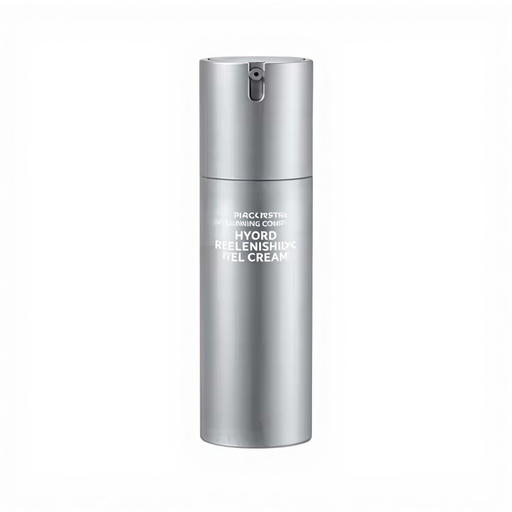
Why it suits this profile: According to the product description, this lightweight gel cream combines hyaluronic acid with apricot kernel oil, panthenol and glycerine. It is a good fit for anyone looking for a hydrating face cream with several caring ingredients.
The product description lists the texture and ingredients separately. If you have oily skin, check whether the presence of oil suits your preferences.
50 ml; hyaluronic acid, panthenol and glycerine; intended for use in the morning and evening.
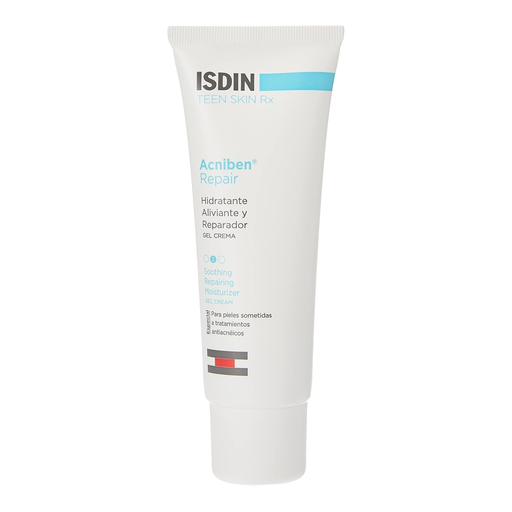
Why it suits this profile: According to the product information, this fragrance-free gel cream is intended for sensitive and blemish-prone skin, including after dermatological treatments. The formula contains hyaluronic acid and is designed for daily use.
The fragrance-free formula removes one potential source of irritation. If using it after a treatment, always follow your practitioner’s instructions first.
40 ml; fragrance-free; contains hyaluronic acid; stated to be suitable for sensitive and blemish-prone skin.
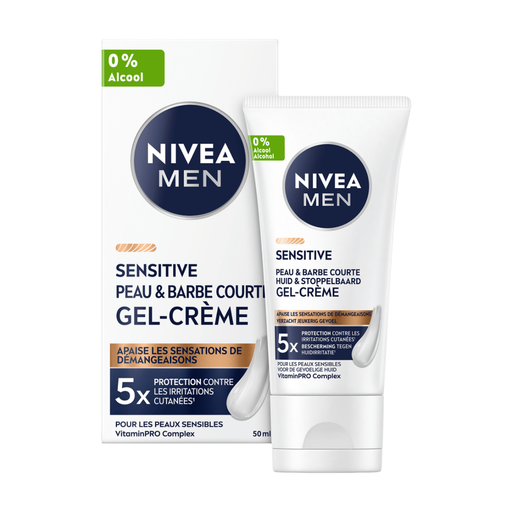
Why it suits this profile: According to the product description, this 50 ml gel was developed for men with sensitive skin and short beards. The ingredients list contains glycerine, dimethicone, panthenol and chamomile extract.
The product information states that the formula contains no ethyl alcohol and should not leave gel residue in the beard. However, fragrance is included in the ingredients list.
50 ml; suitable for the face and short beards; glycerine and panthenol; lightweight texture according to the product description.
We’ve compiled a complete, up-to-date list of products that fully meet these strict selection criteria and the applicable European safety regulations.
Often, yes, especially when the texture is lightweight and oil-free. Also check whether the product is described as non-comedogenic. Oily skin can still need moisture, so don’t automatically choose a drying formula.
Hyaluronic acid is found in many everyday skincare products. Apply the gel cream to cleansed skin and follow the usage instructions. During the day, also use sun protection. Stop using the product if irritation occurs.
This depends on the size and the amount used each time. A 100 ml pack may last longer with daily use than a 40 ml pack. Use no more than you need and follow the information on shelf life and the period after opening provided on the packaging.
