
Same-day & Next-day Delivery

Quality Guaranteed

Unlock Your Welcome Offers: FREE Delivery | Up to 80% OFF | Free 30-day JoyPlus trial
Download the APP
A dry feeling after cleansing, a shiny T-zone, or tightness under make-up: hydrating facial skincare needs to suit both your skin type and your daily routine. Yet it’s not always easy to see through marketing claims. Toners, lotions, essences, gels and creams often have different textures and functions, but are sometimes presented as interchangeable.
With these practical selection tips, you can avoid a bad purchase and make more targeted choices from Korean skincare, Japanese skincare and other care products.
Words like hyaluronic acid, niacinamide, ceramide and collagen catch your eye, but the overall formula determines how a product feels. So don’t focus on just one ingredient. Also look at the texture, whether fragrance is listed, the oils, and any exfoliating components.
For example, a product with multiple forms of hyaluronic acid might be interesting if you’re looking for a moisturising face cream, but a rich, oily base can feel less pleasant on oily or combination skin.
A product description may state that a formula is suitable for all skin types. That doesn’t automatically mean every user will have the same experience. Sensitive skin can react to fragrance or essential oils, while dry skin benefits more from a cream with soothing and barrier-supporting ingredients.
Always check the ingredients list, and when trying a new product, first use a small amount on a limited area of skin.
Serum and essence, facial toner, hydrating lotion and cream can all be part of Korean skincare or Japanese skincare. But multiple layers are only useful if the textures remain comfortable and your skin responds well to them. A simple routine of cleansing, moisturising and daytime sun protection can be more practical than a long list of products.
Glycerine helps attract moisture and is found in many toners, lotions and creams. Hyaluronic acid and its derivatives, such as sodium hyaluronate, are often used in hyaluronic acid facial skincare. Ceramides are lipids used in formulas to care for the skin barrier. A ceramide cream can be especially interesting when your skin feels dry or tight.
Always check the full formula. The presence of one popular ingredient doesn’t automatically make a product suitable for your skin.
Compare the quantity in millilitres or grams and think about how often you’ll use the product. A 200 ml or 500 ml toner may seem good value for daily use, while a 230 ml essence might be more suitable as a specific step in your routine.
Store cosmetics according to the label, away from direct sunlight and out of reach of children. Stop using if you experience persistent redness, itching, swelling or irritation. Do not use facial skincare on broken or damaged skin.
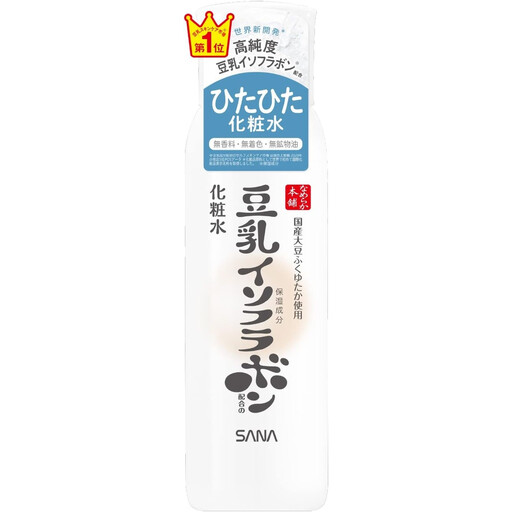
Why this fits the profile: The lightweight 200 ml toner is a clear first step for anyone wanting to add daily hydration without buying multiple products straight away.
The product description mentions a light, watery formula without fragrance, colourants or mineral oil. Check the current packaging for the full ingredients list.
200 ml; lightweight toner texture; mentions soy isoflavones and daily use.
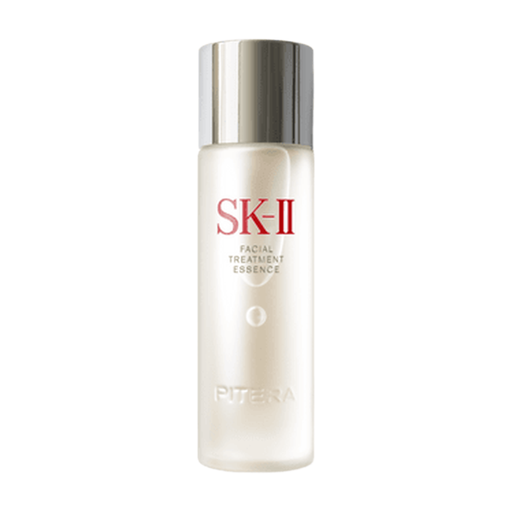
Why this fits the profile: An essence can suit someone who already has a basic routine and consciously wants to add an extra hydrating step.
The product information states that the essence is not fragrance-free and should not be used on damaged or highly sensitive skin. This makes checking beforehand important.
230 ml; essence format; according to the product description, more than 90% PITERA formula.

Why this fits the profile: This cream suits users looking for a fuller hydrating step for dry, normal or mature skin, for example as a night cream.
The choice is based on the listed ingredients and texture, not just the term hyaluronic acid. According to the product list, the formula contains multiple forms of hyaluronic acid, ceramide NP and oils.
100 ml; gel-cream texture; five named forms of hyaluronic acid in the product description.
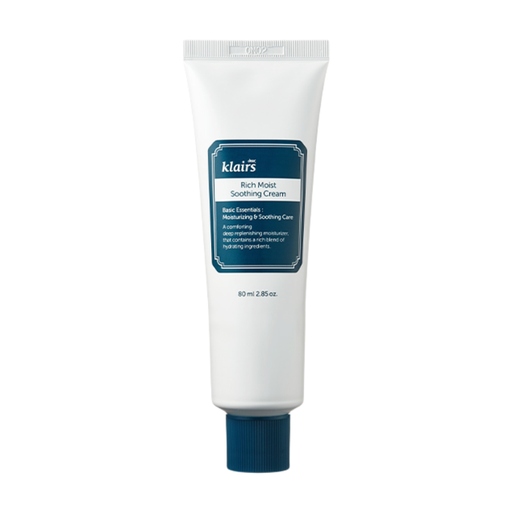
Why this fits the profile: The rich cream is aimed at users looking for shea butter, jojoba oil, beta-glucan, sodium hyaluronate and ceramide NP in their routine.
The product information warns about essential oils and naturally occurring fragrance allergens. Therefore, you’d be better off avoiding this choice if you need fragrance-free skincare for sensitive skin.
80 g; ceramide NP and beta-glucan listed; rich face cream.
We’ve put together a full, up-to-date list of products that fully meet these strict selection criteria and comply with current European safety regulations.
That depends on the product label. Many toners, lotions and creams are intended for daily use in the morning and evening. If you have sensitive skin, start with one product and build up the routine slowly.
A facial toner is usually thin and watery. An essence may contain slightly more nourishing ingredients and is often used after toner. A cream generally has a richer texture and forms the final step. The exact effect varies by formula, so always check the product description.
Choose a light gel, watery toner or non-greasy lotion. Naturie Hatomugi Skin Conditioning Gel, for example, is described as being for a light, non-sticky application and contains no fragrance. Even with oily skin, hydration remains important; just avoid a texture that feels uncomfortable or heavy.
