
Same-day & Next-day Delivery

Quality Guaranteed

Unlock Your Welcome Offers: FREE Delivery | Up to 80% OFF | Free 30-day JoyPlus trial
Download the APP
A tight feeling after cleansing, dry patches under make-up, or a shiny T-zone – hydrating facial skincare needs to match both your skin type and your daily routine. A product that feels nice in the shop isn’t automatically right for long-term use.
What’s more, the product description doesn’t always tell the full story. So pay attention to the ingredients list, texture, packaging and usage instructions. That way, you can avoid paying mostly for flashy marketing terms.
A claim like “77% peach water” sounds clear, but it doesn’t say how much hydration your skin actually needs. Also look at ingredients such as glycerine, betaine, panthenol, sodium hyaluronate and ceramides. According to their function in a cosmetic product, these help to attract moisture or make the skin feel more comfortable.
A rich cream with shea butter and oils can be pleasant for dry skin, but may feel heavy on oily or combination skin. Conversely, a light gel may not provide enough comfort for dry skin, especially in winter or in a heated home.
Words like “barrier repair”, “lifting” and “anti-ageing” often describe a product’s positioning. Don’t take them as guaranteed results. Check the full ingredients list and see whether the formula suits your sensitivities, your preference for fragrance and your desired texture. According to the product description of some brands, certain formulas have been tested, but that doesn’t replace personal assessment or dermatological advice.
A light moisturiser can be handy during the day under sunscreen or make-up. For dry skin, a richer cream in the evening may be a better fit.
For hyaluronic acid facial skincare, you’ll often see names like sodium hyaluronate, hydrolyzed hyaluronic acid or sodium acetylated hyaluronate. Glycerine and butylene glycol are also commonly used humectants. To support the skin barrier, look for ceramide NP, panthenol, cholesterol, beta-glucan and fatty acids.
Niacinamide is popular in niacinamide skincare. The Anua product below contains niacinamide according to the product name, while the product description lists sodium hyaluronate, panthenol and ceramide NP, among others. Always check the packaging, because formulations can change.
A fragrance-free formula isn’t automatically right for everyone, but it can be a logical choice if you want to avoid scent ingredients. Some products contain essential oils or fragrance allergens. Test a new product on a small area of skin first, and stop if you experience redness, itching, swelling or a burning sensation. Don’t use cosmetics on open wounds or irritated skin.
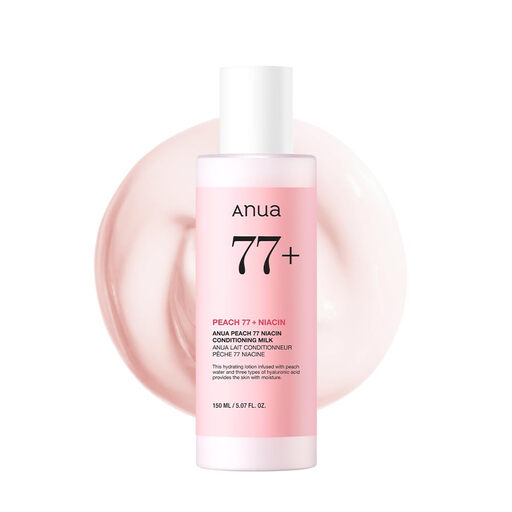
Why this fits the profile: A milk texture offers a simple middle ground for anyone who finds a toner too thin and a cream too heavy. The usage instructions recommend applying it in the morning and evening.
The ingredients list includes not only peach water but also glycerine, panthenol, several forms of hyaluronic acid and ceramide NP. So you’re looking beyond just the eye-catching percentage.
150 ml; milk formula; contains panthenol, ceramide NP and hyaluronic acid derivatives according to the product information.

Why this fits the profile: This Korean skincare product combines a gel-cream texture with multiple humectants and, according to the product description, suits dry, normal and mature skin.
The formula lists five types of hyaluronic acid and also contains ceramide NP, cholesterol, panthenol and beta-glucan. That gives you more information than just a claim about “deep” hydration.
100 ml; gel-cream; ethanol-free according to the product information; suitable as a day cream or night cream.
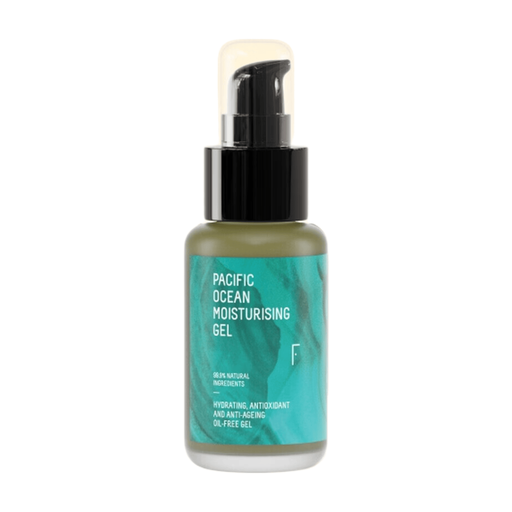
Why this fits the profile: An oil-free gel can be practical for oily or combination skin, especially when you’re looking for a non-sticky texture.
The product information states it is an oil-free, non-comedogenic gel with a 50 ml content. Do check the listed plant-based retinol and carry out a patch test beforehand.
99.9% natural ingredients according to the product description; free from silicones, BHA, BHT and synthetic fragrances; 12 months shelf life after opening according to the stated product specifications.
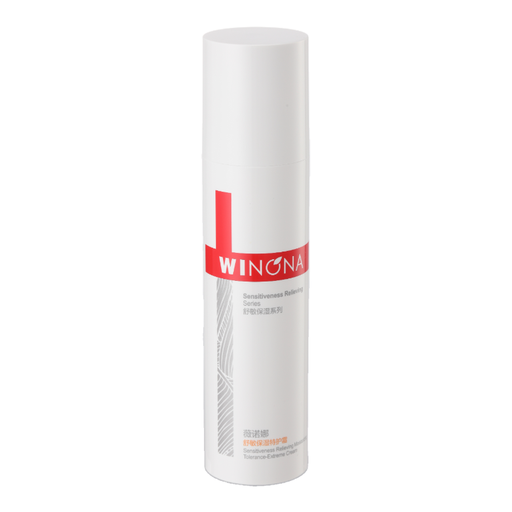
Why this fits the profile: According to the product description, this light lotion is designed for sensitive skin and has a minimal scent. The compact packaging is handy for trying it out on a small scale first.
The ingredients list is relatively short and includes glycerine, butylene glycol and purslane extracts with a liquorice-like quality. Do note the listed acrylates copolymer as potential allergen information.
50 g; fast-absorbing lotion according to the product information; morning and evening use; the description also mentions a short 15-minute mask programme.
We’ve put together a full, up-to-date list of products that fully meet these strict selection criteria and comply with current European safety regulations.
Korean skincare often works with multiple thin layers. With Japanese skincare, you’ll regularly see simple lotions and large packaging for daily use. Neither approach is compulsory: a short routine that you use consistently is often more practical than many steps that you skip.
A toner or lotion is usually thinner and is applied after cleansing. A moisturiser, gel or cream often contains more emollient and occlusive ingredients. With dry skin, you can use both; with oily skin, a light gel may be enough.
Check the expiry date and the symbol for the period after opening on the packaging. Store the product in a cool, dry place away from direct sunlight. A change in smell, colour or texture is a reason not to use the product any further.
That depends on the number of steps, the packaging and how often you use it. Start with a cleanser, one hydrating product and sun protection during the day. Compare the content in millilitres or grams, not just the price of the packaging. That way, you can better see what a product may cost per use.
