
Vandaag of morgen in huis

Kwaliteit gegarandeerd

Welkomstaanbiedingen ontgrendelen: GRATIS bezorging | Tot 80% korting | Gratis 30 dagen JoyPlus-proefperiode
Download de app
A hydrating facial moisturiser may seem like a simple product, but there can be significant differences in texture, ingredients and comfort. A cream that works well for dry skin may feel heavy on oilier skin. Conversely, a lightweight gel cream may not provide enough comfort for someone with dry or tight-feeling skin.
So don’t focus only on words such as “intensive”, “soothing” or “barrier repair”. These terms only tell you so much when you have not checked the ingredients list, texture and directions for use. Below, you’ll find out how to choose a suitable moisturiser and which popular options match different skin profiles.
A rich cream feels comfortable immediately, but that does not automatically mean your skin will retain enough moisture throughout the day. Look for humectant ingredients such as glycerine, panthenol, hyaluronic acid and various moisture-binding agents. Oils, butters and silicones can also help maintain the feeling of moisture for longer, but may feel too heavy on oily skin.
A product for all skin types is often a compromise. Sensitive skin may benefit from a simple, fragrance-free formula, while oily or blemish-prone skin may be better suited to a non-greasy moisturiser or lightweight gel cream. Check whether the product is specifically described as suitable for dry, sensitive, normal, combination or oily skin.
Claims about redness, sebum, elasticity or skin renewal are not a guarantee for every individual. A brand’s own research may report certain results, but your skin may respond differently. Focus especially on verifiable information: size, ingredients, fragrances, texture, area of use and warnings.
Several types of ingredients can be useful in a facial moisturiser for dry skin:
A longer ingredients list is not automatically better. With a moisturiser for sensitive skin, a shorter formula may be easier to understand.
If your skin reacts easily to cosmetics, you may wish to choose a fragrance-free facial moisturiser. Also look out for fragrances such as limonene, geraniol, benzyl benzoate and linalool. Natural fragrances are not automatically suitable for every skin type.
Always check the label on the packaging you receive. Product formulas can change, and the product page may not always contain the same information as the current label. If you have sensitive skin, carry out a patch test on a small area first. Stop using the product if you experience burning, itching, swelling or obvious irritation, and consult a healthcare professional if necessary.
A gel cream usually absorbs lightly and is well suited to oily or combination skin. A lotion or emulsion is often suitable if you want hydration without a greasy feel. A richer, nourishing facial moisturiser may be a more logical choice for dry skin or during cold, windy weather.
Also pay attention to the size:
Apply a small amount to clean skin, usually after a serum or toner. During the day, you can follow with sun protection.
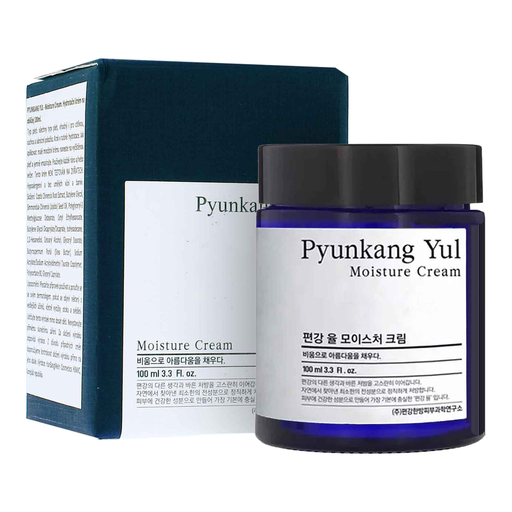
Why it suits this profile: This lotion comes in a 100 ml size, is designed for everyday use and, according to the product description, has a fast-absorbing, non-greasy texture. This makes it a practical first moisturiser for normal, sensitive or oilier skin.
The product details do not mention fragrance or irritating ingredients. However, always check the current packaging and carry out a patch test if you have sensitive skin.
100 ml, creamy texture, designed for the face and neck, and according to the product information, suitable for sensitive skin.
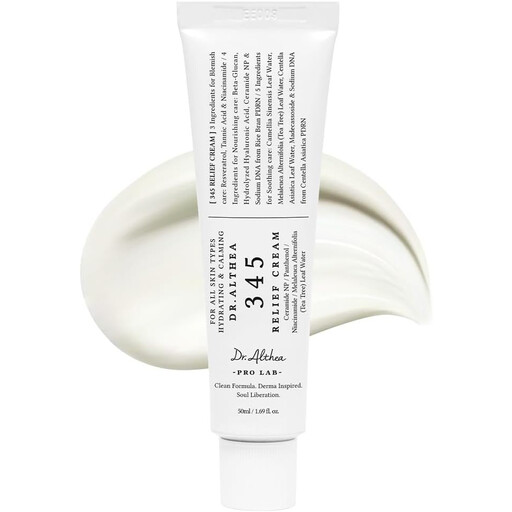
Why it suits this profile: The product description is aimed at sensitive and blemish-prone skin and lists a formula containing ceramide NP, hyaluronic acid, niacinamide and tea tree leaf water.
The description explicitly mentions a non-greasy finish and states that the product has been clinically tested as non-comedogenic. This remains a product claim, not a guarantee for every user.
50 ml, fragrance-free according to the product description, positioned as vegan and formulated with ingredients that support moisture and comfort.
We’ve put together a complete, up-to-date list of products that fully meet these strict selection criteria and the applicable European safety regulations.
For most daily routines, once in the morning and once in the evening is sufficient. Apply the cream after cleansing and, if desired, applying a serum. During the day, also use a sun protection product with an appropriate level of protection. If you have oily skin, a smaller amount or simply a lightweight gel cream may feel more comfortable.
This varies by formula and packaging. Check the open-jar symbol, the expiry date and the information on the packaging. If the scent, colour or texture has clearly changed, stop using the product. Store the moisturiser in a cool, dry place away from direct sunlight, and close the packaging after use.
Look for a lightweight, non-greasy moisturiser with a clear and manageable ingredients list. A product that has been tested as non-comedogenic according to the manufacturer or product description can be a starting point, but results vary from person to person. Avoid introducing several new products at once: this makes it easier to identify which formulas your skin does or does not tolerate.
