
Vandaag of morgen in huis

Kwaliteit gegarandeerd

Welkomstaanbiedingen ontgrendelen: GRATIS bezorging | Tot 80% korting | Gratis 30 dagen JoyPlus-proefperiode
Download de app
Dry, tight skin, shiny areas or sensitive skin that reacts quickly: the right hydrating facial cream can make your daily skincare routine easier to manage. However, a high price or a long ingredients list does not guarantee that a product will suit you. Texture, fragrance, active ingredients and the way you use the cream are just as important.
Terms such as “intense hydration”, “glow” or “repair” sound appealing, but they do not always tell you how a product feels in practice. You should therefore consider a brand claim alongside verifiable information such as the contents, formula, directions for use and ingredients list.
According to Clinique’s own research, the Moisture Surge formula provides up to 100 hours of hydration. This is a claim made by the brand, not a guarantee for every user. Also check whether a gel cream, lotion or richer cream suits your skin and the climate you live in.
A facial cream for sensitive skin is not automatically suitable for everyone with redness, itching or easily irritated skin. Fragrance, essential oils, alcohol denat. and certain plant extracts may be less comfortable for some people.
Check the complete INCI list and test a new product on a small area of skin first. Stop using it if you experience irritation, redness, a burning sensation or swelling, and consult a doctor if symptoms persist.
A light gel cream can feel pleasant on oily or combination skin, but may not provide enough occlusion for dry skin. A rich cream, on the other hand, can feel heavy if your skin becomes shiny quickly. The best choice depends on your skin type, the season, whether you wear make-up and whether you prefer a matte or dewy finish.
A balanced formula often combines several types of hydrating ingredients:
A hyaluronic acid cream may therefore be suitable when you want extra moisture, but hyaluronic acid alone does not determine whether a formula feels comfortable. If your skin is dry, look at the rest of the base formula too.
Fans of Korean skincare often look for centella asiatica, ceramides, niacinamide and different forms of hyaluronic acid. Each of these ingredients has a different function within a formula.
Check the official packaging carefully: the ingredient information provided may differ from the current EU packaging for some products. Always use the INCI list on the product itself as the final reference.
Do not compare only the price of a jar or tube. Look at the number of millilitres, the recommended amount and how often you use the product. A 30 ml cream can be convenient for trying a product first, while 80, 100 or 400 ml may be more appealing for daily use or for the face and body.
Also check the expiry information and the period after opening shown on the packaging. Store skincare in a cool, dry place away from direct sunlight, and keep the packaging tightly closed.
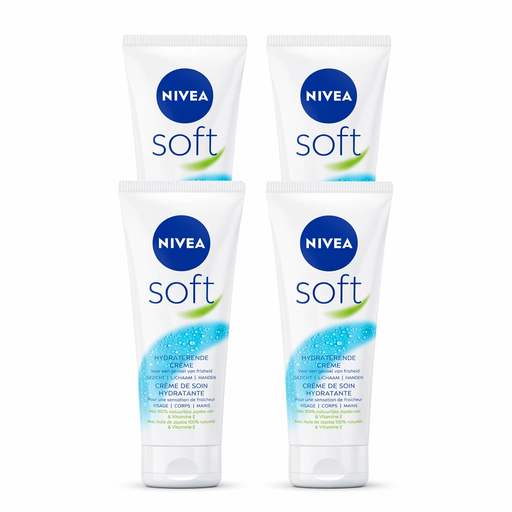
Why it suits this profile: The set contains four 75 ml tubes and is intended for the face, hands and body. This makes it practical for a simple daily routine.
The product information lists vitamin E, jojoba oil and a fast-absorbing formula. However, check the INCI list for fragrance and other scent ingredients if your skin reacts sensitively.
75 ml per tube, 4-pack, suitable for the face and body, for daily use.

Why it suits this profile: The gel cream is alcohol-free, fragrance-free and, according to the product information, non-comedogenic. Its texture suits users looking for a fresh moisturiser to wear under make-up.
The formula is clearly described as a gel cream and, according to the product details, contains no fragrance. The claim about 100 hours of hydration comes from Clinique itself.
30 ml, gel-based, fragrance-free, alcohol-free, suitable for dry, combination and oily skin according to the product information.

Why it suits this profile: The lightweight gel texture is designed to leave skin feeling fresh without feeling heavy or sticky. This can be useful for oily or combination skin.
The product details explicitly mention a lightweight gel and hydration as its intended use. Do not expect a rich moisturiser for very dry skin; choose a fuller formula instead.
100 ml, gel cream, intended for oily skin and dermatologically tested according to the product information.
A cream for blemish-prone skin should feel comfortable and, where relevant, be non-comedogenic according to the product information. This statement is not a guarantee that spots will disappear. Also consider the rest of your routine and avoid layering several strong active ingredients at the same time.
We have put together a complete, up-to-date list of products that fully meet these strict selection criteria and the applicable European safety regulations.
Yes. Apply a thin layer of hydrating serum first, followed by facial cream. The cream helps seal in your routine. Use small amounts to avoid a sticky or heavy feeling.
Follow the expiry date and the period-after-opening information on the packaging. Store the product tightly closed, in a dry place and away from direct sunlight. If the scent, colour or texture changes noticeably, stop using it.
Look for glycerine, hyaluronic acid, panthenol, ceramides, squalane and nourishing oils. A moisturiser for dry skin can be richer than a gel cream, but should still feel comfortable. Test a new formula on a small area of skin first.
