
Vandaag of morgen in huis

Kwaliteit gegarandeerd

Welkomstaanbiedingen ontgrendelen: GRATIS bezorging | Tot 80% korting | Gratis 30 dagen JoyPlus-proefperiode
Download de app
A hydrating facial cream may seem easy to choose, but the differences in texture, ingredients and overall feel can be significant. Dry skin often benefits from a richer formula, while oily or combination skin may respond better to a lightweight hydrating gel cream. Sensitive skin also tends to benefit from a short, straightforward ingredients list and a gradual introduction.
When comparing products, do not focus solely on terms such as “intensive hydration” or “skin barrier repair”. Pay particular attention to the product details, recommended skin type, size and ingredients. Below are the key considerations, along with several popular choices for 2026.
Brands sometimes claim 72 or 100 hours of hydration. These are marketing claims that should not be compared without context. According to the brand’s own research or product information, such measurements may have been conducted under specific conditions. Your actual experience will also depend on factors such as your skin type, climate, cleansing routine and use of serum or sunscreen.
That is why it is also important to examine the formula. Glycerin, hyaluronic acid and panthenol help attract moisture, while squalane, oils, silicones and ceramides contribute to a more comfortable skin feel and help limit moisture loss.
A rich cream is not automatically the best choice for dry skin. Some users find a heavy texture uncomfortable under makeup or in heated environments. For oily skin, a gel cream may feel more comfortable, especially during the day.
Look for terms such as gel-cream, water cream, oil-free or non-comedogenic. These terms describe the texture or a particular product characteristic, but they do not guarantee that the cream will work perfectly for everyone.
A product may be marketed as gentle or suitable for sensitive skin while still containing fragrance, essential oils or several botanical extracts. Always check the packaging, as ingredients lists can change. For sensitive skin, a patch test is a sensible precaution. Discontinue use if redness, itching, a burning sensation or swelling occurs, and seek advice from a doctor or dermatologist if necessary.
Hyaluronic acid is available in different forms and molecular weights. A cream containing hyaluronic acid may help the skin feel more hydrated, but its presence alone does not determine how effective a product is. The overall formula and combination with soothing ingredients are equally relevant.
Ceramide NP, cholesterol, panthenol, betaine and squalane are often used to support the skin barrier. A product description may associate these ingredients with barrier support, but this does not constitute medical treatment or guarantee skin repair.
Compare millilitres or grams alongside the price. A 100 ml jar may prove more economical than a smaller pack, while a pump bottle may be more hygienic and convenient. Follow the directions on the label and check the expiry date and period-after-opening symbol.
Apply the cream to a cleansed face in most cases. During the day, sunscreen should be the final step. A hydrating facial cream can be used under makeup, provided the texture absorbs well and does not pill.

Why it is a good fit: A practical choice for anyone looking to try Korean skincare and seeking a lightweight texture for everyday use.
The gel texture is designed to provide hydration without feeling heavy. The product information lists it for oily, combination and dry skin.
100 ml, gel cream texture and, according to the product information, a non-sticky finish.

Why it is a good fit: For anyone looking for a refreshing gel cream that can also be worn under makeup.
The formula is described as alcohol-free, fragrance-free, paraben-free and non-comedogenic. The claim of up to 100 hours comes from Clinique’s product information.
Gel cream, 30 ml and, according to the product details, suitable for dry, very dry, combination and oily skin.
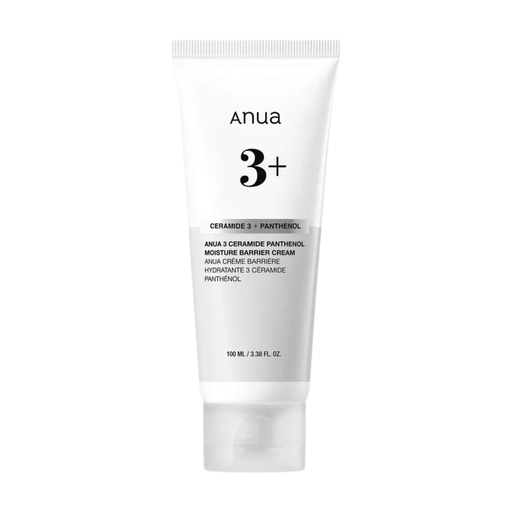
Why it is a good fit: An option for anyone looking for ceramides and panthenol in a larger format for everyday use.
The ingredients list includes three types of ceramide, panthenol, glycerin and sodium hyaluronate. Check the current packaging for the latest formulation.
100 ml and a formula containing Ceramide NP, EOP and AP, according to the supplied product information.
Browse a current selection of hydrating products and compare formulas, textures and sizes based on your skin type.
Most products are intended for morning and evening use, but always follow the instructions on the label. Apply a small amount to cleansed skin. During the day, follow with a suitable sunscreen.
Check the expiry date and the period-after-opening symbol on the packaging. Store the cream in a cool, dry place away from direct sunlight, and close the container securely. Has the scent, colour or texture changed? It is best not to use the product.
A hydrating gel cream or lightweight, non-greasy facial moisturiser may feel comfortable. Look for a fast-absorbing texture and check whether the product is described as non-comedogenic. Hydration remains important for oily skin; simply choose a formula that feels comfortable without leaving a heavy layer.
