
Same-day & Next-day Delivery

Quality Guaranteed

Unlock Your Welcome Offers: FREE Delivery | Up to 80% OFF | Free 30-day JoyPlus trial
Download the APP
A tight feeling after cleansing, flakes on your cheeks or a shiny T-zone with dry patches: dehydrated skin can show up in different ways. Hydrating facial care helps replenish moisture and supports day-to-day skin comfort. Even so, an expensive serum isn’t automatically right for your face.
Marketing also makes it tricky to compare products fairly. So don’t just focus on terms like “glow”, “glass skin” or “anti-ageing”. Pay particular attention to ingredients, texture, instructions for use and skin type.
A product featuring multiple actives sounds appealing, but a complex formula can be less comfortable for sensitive skin. A hyaluronic acid serum, for instance, is primarily aimed at binding moisture. It doesn’t automatically replace a cream that helps limit moisture loss.
Ingredients like niacinamide, azelaic acid, acids and peptides each serve a different purpose. It’s better to choose one main product for hydration and add active treatments gradually.
According to a brand’s own research, certain products can visibly help improve fine lines, redness or a weakened skin barrier. Such claims aren’t a guarantee for every skin type. Results depend on composition, frequency of use and your individual skin, among other things.
Always check the full ingredients list and use a product as directed on the label. If irritation, swelling or a skin problem persists, seek advice from a doctor or dermatologist rather than trying yet another cosmetic product.
In the Netherlands, cold winds, dry indoor air and muggy summer days alternate. A rich moisturising face cream can feel lovely on dry skin, while a gel-cream often suits oily or combination skin better.
A tacky serum also won’t feel comfortable under sunscreen or make-up for everyone. Look at the formula: lotion, gel, cream, essence or ampoule for the face.
For a simple routine, you can group ingredients into three categories:
Hyaluronic acid exists in different forms and molecular weights. A formula with multiple variants can, according to the product description, supply moisture to different surface layers of the skin, but always check how your skin actually reacts.
For skincare for sensitive skin, a short ingredients list isn’t strictly required, but it is practical. Watch out for fragrance, essential oils, alcohol and acids if your face easily turns red or stings. “Hypoallergenic”, “dermatologically tested” or “non-comedogenic” are product claims; they don’t rule out an individual reaction.
SKIN1004 Madagascar Centella Hyalu-Cica Brightening Toner includes niacinamide, three forms of hyaluronic acid and ceramide NP. The product information also lists citric acid and caprylyl salicylic acid. Use sunscreen during the day and introduce the product slowly if your skin is reactive.
Don’t just compare the price of a bottle—check the contents and the recommended amount too. A 30 ml serum may prove more economical than a larger product that needs to be applied generously. Check the expiry date and the period after opening on the packaging.
Apply a toner or serum to clean skin and finish with a cream if you want to limit moisture loss. An ampoule can be concentrated. The SKIN1004 Matrixyl 10% Boosting Shot Ampoule advises patch testing and using two to three times a week initially. That’s a helpful pointer for anyone with limited experience of active Korean skincare.
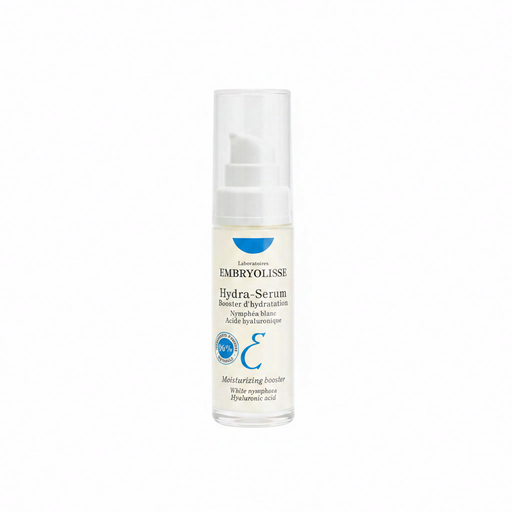
Why this suits the profile: The lightweight serum texture slips easily into a morning or evening routine. The product information mentions hyaluronic acid and white water lily extract and indicates it’s suitable for all skin types, including sensitive skin.
The composition clearly focuses on hydration, without you having to combine multiple active acids straight away. Patch testing remains wise, even with a mild formula.
30 ml; fast-absorbing lotion texture; contains glycerine and sodium hyaluronate; alcohol-free and non-comedogenic according to the product information.
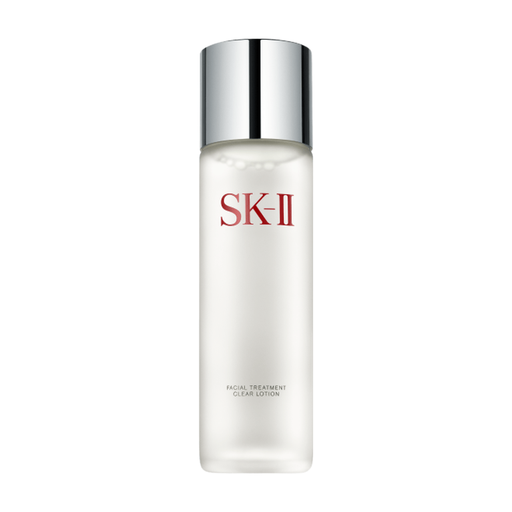
Why this suits the profile: This essence is intended for those looking for a thin step before serum and cream. The product description lists more than 90% PITERA and use for normal, dry, combination and oily skin.
The role of the product is clear: an essence for hydration and texture, not a replacement for sunscreen or an occlusive cream. Check the short INCI list and pay attention to your personal tolerance.
30 ml; liquid essence; contains Galactomyces Ferment Filtrate according to the ingredients list; suitable for multiple skin types according to the product information.

Why this suits the profile: The gel-cream can be used as a daily moisturiser, under make-up or as a short face mask. That suits users who want one product they can use flexibly.
The light gel texture means you don’t need a different cream for every occasion. The “up to 100 hours” claim comes from Clinique’s product information and isn’t a personal guarantee.
30 ml; gel-cream; fragrance-free, alcohol-free and non-comedogenic according to the product information; suitable for dry, combination and oily skin.
We’ve compiled a complete, up-to-date list of products that fully meet these strict selection criteria and comply with applicable European safety regulations.
For extra care, you can use a hydrating face mask once or twice a week. Stop if you feel burning or see obvious irritation, and don’t introduce new products all at once.
A serum is usually light and contains ingredients that help bind moisture at the skin’s surface. A cream often also contains lipids or film-forming ingredients that help limit moisture loss. With dry skin, both steps are often combined; with oily skin, a gel-cream may be sufficient.
That depends on the contents, amount per use and frequency. Check the period after opening on the packaging and store the product in a cool place, out of direct sunlight. A 30 ml serum may be used up more quickly than a 100 ml cream with daily use.
Yes, brands such as, SKIN1004 and Clinique can be combined within one routine. Start with a few basic steps and add actives gradually. Watch for overlapping ingredients, such as acids or niacinamide, and patch test new products on a small area of skin first.
