
Vandaag of morgen in huis

Kwaliteit gegarandeerd

Welkomstaanbiedingen ontgrendelen: GRATIS bezorging | Tot 80% korting | Gratis 30 dagen JoyPlus-proefperiode
Download de app
A hydrating face serum can be a useful step if your skin feels tight, looks dull or quickly becomes dry after cleansing. But an expensive serum isn’t automatically right for your skin. Packaging often promises “deep hydration”, firmer-looking skin or less visible fine lines, but the formula and how you use it matter just as much.
A hyaluronic acid serum attracts moisture, but the results also depend on the rest of your routine. If you don’t apply a moisturiser afterwards, the comfortable feeling may not last. So don’t just look for “hyaluronic acid” on the front of the pack: check the full ingredients list and use a moisturiser to lock in moisture.
A serum for sensitive skin can still contain ingredients you react badly to, such as fragrance, essential oils, acids or highly concentrated active ingredients. Check the INCI list and patch test a new product on a small area of skin first. Stop using it if you experience redness, itching, a burning sensation or swelling.
An anti-ageing serum can make skin look temporarily smoother or plumper through hydration. That’s not the same as proven wrinkle reduction. Read brand claims about collagen, renewal or visible results as marketing communications. Brands may report certain effects based on their own research or tests, but individual results vary.
For a serum for dry skin, the following ingredients may be worth looking for:
A long ingredients list doesn’t automatically mean a product is a better fit. Focus on what you want to achieve for your skin, your preferred texture and any known sensitivities.
A lightweight essence or ampoule sits comfortably under sun cream and make-up. A richer serum or serum-cream may be a better choice for dry skin, especially in the evening. Check the size: 30 ml is common for a concentrated serum, while 40 to 50 ml may offer better value for daily use. A bottle of 150 ml or more is usually a lotion or essence and won’t always replace a serum.
Apply a hydrating face serum after cleansing, optionally after a toner, then finish with a moisturiser. A water-based formula can feel pleasant on slightly damp skin. During the day, use sun protection if you’re also using ingredients that may make your skin more sensitive to sunlight.
If you want to restore your skin barrier, it’s best to keep your routine simple: cleanse gently, introduce one new active product at a time and avoid combining several exfoliating products.
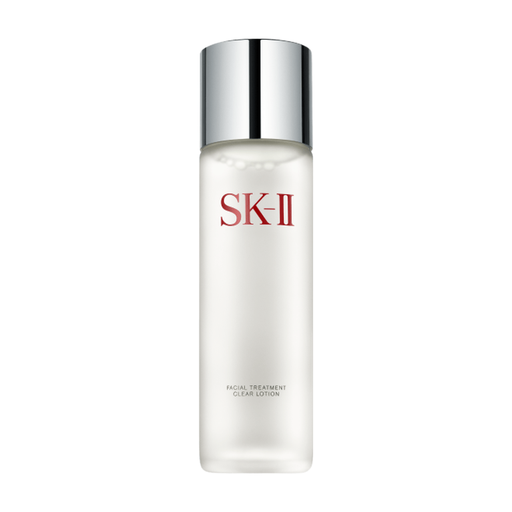
Why it suits this profile: This essence is designed for users looking for a well-known ferment-based formula who prefer a lightweight essence to a richer serum.
The formula lists galactomyces ferment filtrate as its main ingredient. Check, however, that ferments and the fragranced formula are suitable for your skin.
30 ml; lightweight essence texture; product description states that it contains more than 90% PITERA and is suitable for several skin types.
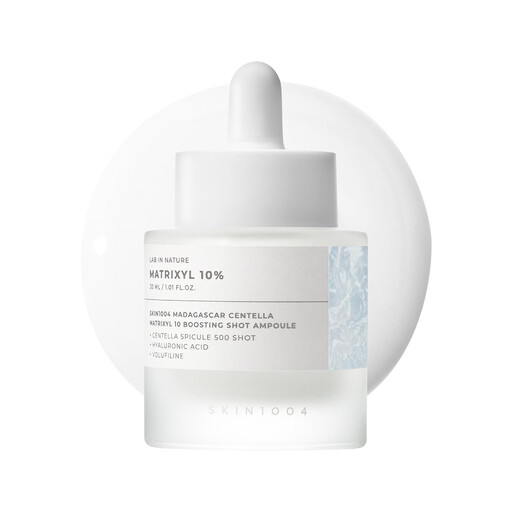
Why it suits this profile: Designed for users who want to focus on more than hydration, and are also looking for smoother, firmer-looking skin.
The product information lists 10% Matrixyl, hyaluronic acid and micro-spicules. Given its concentrated positioning, it’s sensible to patch test and introduce it gradually.
30 ml; Matrixyl, hyaluronic acid and Volufiline according to the product description; advice to start by using it two to three times a week.
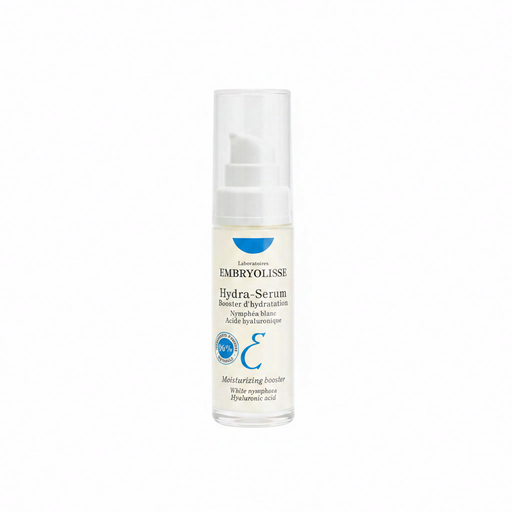
Why it suits this profile: A lightweight serum with hyaluronic acid and white water lily for anyone looking for daily skincare that absorbs quickly.
The product information describes a lightweight texture, dermatological testing and suitability for all skin types. However, the formula contains fragrance and limonene, so check these ingredients if you have sensitive skin.
30 ml; sodium hyaluronate; fast-absorbing texture; according to the product information, it is alcohol-free and non-comedogenic.
We’ve put together a complete, up-to-date list of products that meet these strict selection criteria and comply with current European safety regulations.
Cleanse your face, then apply a few drops of serum. Gently smooth it over your face and neck, then finish with a moisturiser. If you’re using a product with acids or other active ingredients, introduce it gradually and use sun protection during the day.
A serum usually isn’t a complete replacement for a cream. A serum can attract moisture, while a cream helps keep the skin’s surface comfortable and limits moisture loss. That’s why using both is often a more practical option for dry skin.
It depends on the size of the bottle and how many drops you use each time. A 30 ml bottle will often last from a few weeks to a couple of months with daily use. Always follow the expiry information and the period-after-opening guidance on the packaging. Store the product in a cool, dry place away from direct sunlight.
