
Vandaag of morgen in huis

Kwaliteit gegarandeerd

Welkomstaanbiedingen ontgrendelen: GRATIS bezorging | Tot 80% korting | Gratis 30 dagen JoyPlus-proefperiode
Download de app
A hydrating face serum can help dry, tight or dehydrated skin feel more comfortable. However, not every face serum is suitable for everyday use. Marketing terms such as “intense hydration”, “glow” and “anti-ageing” don’t tell you much unless you look at the ingredients, texture and directions for use.
These common pitfalls are worth avoiding:
For a serum for dry skin, common hydrating ingredients include glycerin, panthenol, beta-glucan and hyaluronic acid. Hyaluronic acid also appears under names such as sodium hyaluronate, hydrolyzed hyaluronic acid or hyaluronic acid.
A hyaluronic acid serum is particularly worth considering if you’re looking for a lightweight product to use under a cream. Brands often position formulas containing different forms or molecular sizes as a way to hydrate different layers of the skin. This is a product claim, not a guarantee that every user will have the same experience.
If you have dry or sensitive skin, look for ceramides, lipids, panthenol, niacinamide and beta-glucan. These ingredients are often used in skin barrier serums. According to product information from various brands, they are intended to help skin feel more comfortable or support its moisture balance. The effect depends on your skin, the rest of your routine and how often you use the product.
A fragrance-free formula may be a practical choice if you prefer to avoid fragrance. Also check for potential allergens and follow the warnings on the packaging.
A watery lotion or gel usually layers well under day cream and sun protection. A richer serum texture may feel more comfortable on tight skin, but might not work as well under make-up.
Also consider:
The recommendations below are based on the product information, ingredients, size and directions for use provided. Brand warnings and claims about redness, firmness or anti-ageing are not the same as a guaranteed result.
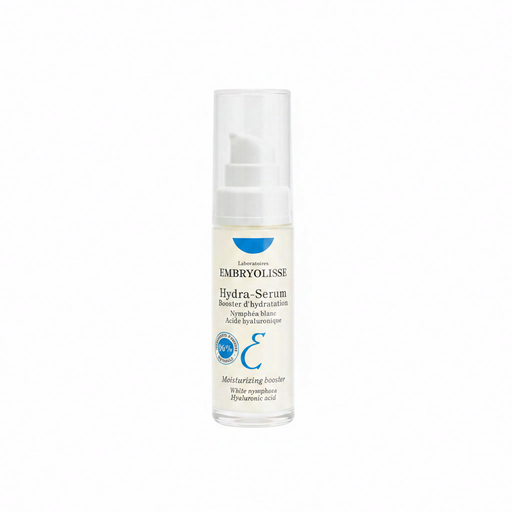
Why it suits this profile: Its lightweight lotion texture and 30 ml size make it a manageable choice if you’re trying a hydrating face serum for the first time.
The ingredients list includes glycerin, sodium hyaluronate and fragrance. This makes it easier to decide in advance whether the formula suits your preferences.
According to the product information: suitable for all skin types, dermatologically tested and non-comedogenic.
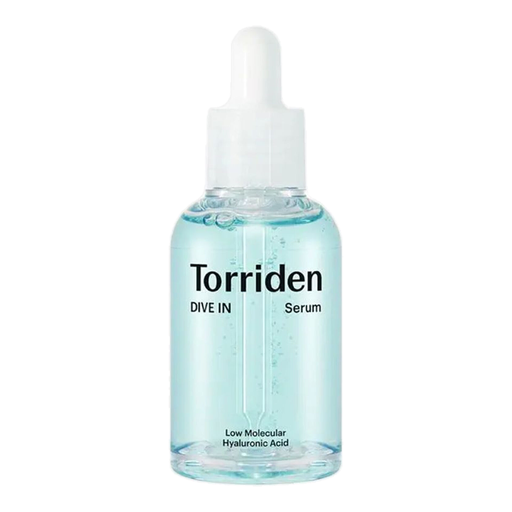
Why it suits this profile: This Korean skincare serum combines five forms of hyaluronic acid with panthenol, ceramide NP and beta-glucan.
According to the product information, the formula is fragrance-free. The ingredients are clearly listed, so you don’t have to rely on the term “glow” alone.
50 ml; according to the product information, contains hyaluronic acid, panthenol, ceramide NP and beta-glucan.
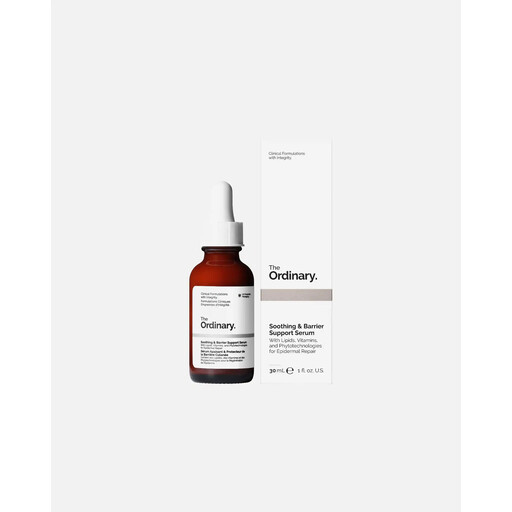
Why it suits this profile: The product information focuses on sensitive skin and a routine centred on comfort and skin barrier care.
According to the specifications, the formula is alcohol- and fragrance-free. Potential allergens such as benzyl alcohol, phenoxyethanol and chlorphenesin are also listed.
30 ml; the ingredients list includes niacinamide, bisabolol, lipids and plant-derived ceramides.
We’ve put together a complete, up-to-date list of products that meet these strict selection criteria and the current European safety requirements.
A serum for redness or a serum for sensitive skin may sound appealing, but redness can have various causes. According to a brand’s own research or the product description, a product may help reduce the appearance of redness; this is not a medical assessment or a guaranteed effect. If irritation persists, it’s best to seek advice from a doctor or dermatologist.
It depends on your skin type and the formula. A lightweight serum may feel comfortable for a while, but a moisturiser is often a practical next step for dry or dehydrated skin. Products containing humectants such as glycerin or hyaluronic acid are usually paired with a cream.
Start by following the directions on the packaging. A simple hydrating serum can often be used in the morning and evening. If your serum contains retinal, acids or a high concentration of active ingredients, it’s important to build up gradually. Use retinal products as directed and apply sun protection during the day.
Check the shelf-life information, batch code and period after opening on the packaging. Store the serum in a cool, dry place, away from direct sunlight, and keep the cap tightly closed. Has the smell, colour or texture changed? Stop using the product.
