
Same-day & Next-day Delivery

Quality Guaranteed

Unlock Your Welcome Offers: FREE Delivery | Up to 80% OFF | Free 30-day JoyPlus trial
Download the APP
If your skin feels dry or tight after cleansing, you might want to try hydrating face masks. But an expensive mask isn’t automatically right for your skin. Its texture, how long you leave it on, ingredients and packaging all affect how practical it is to use.
Look out for these three common pitfalls:
A sheet mask is soaked in essence and designed for a quick skincare routine. It’s a handy way to add extra moisture, for example after a long day at work or when the air indoors is dry.
A hydrogel mask usually fits closely to the skin. Some varieties become more transparent as you wear them. Check carefully whether the mask can be left on for 15 to 20 minutes, a few hours or overnight.
A cream or gel mask is practical for regular use. An overnight face mask is usually applied as the final step in your evening routine, then rinsed or cleansed off the next morning, depending on the product instructions.
A hyaluronic acid face mask can attract moisture and help retain it on the skin’s surface. However, the presence of hyaluronic acid doesn’t guarantee long-lasting comfort. Look out for supporting ingredients too, such as:
Product descriptions may claim to “restore the skin barrier” or have a soothing effect. Treat these as the brand’s cosmetic product claims, not as medical treatments. According to Biodance’s product information, the Hydro Cera-nol Real Deep Mask contains ceramides, several forms of hyaluronic acid and panthenol, among other ingredients. This makes its ingredients list worth checking if you’re looking for intensive hydration and barrier-supporting skincare.
Only use a mask as directed on the packaging. A sheet mask can feel uncomfortable if you let it dry out. And a product for sensitive skin shouldn’t automatically be considered risk-free.
Before buying, check:
Stop using the product if you experience irritation, redness, itching or a burning sensation. Don’t apply a mask to damaged skin. Testing it on a small area of skin may be helpful, especially if you’re looking for a face mask for sensitive skin.
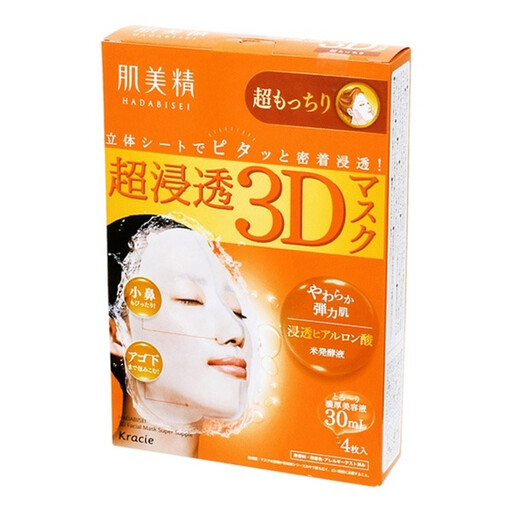
Why it suits this profile: The box contains four masks, and the 3D shape is designed to fit closely to the contours of your face. It’s a straightforward choice if you’d like to try a hyaluronic acid face mask.
The product information mentions a combination of low- and high-molecular-weight hyaluronic acid, as well as a clear recommended wear time and a warning not to sleep in the mask.
Four masks per box, a 3D sheet design and 30 ml of essence per pack, according to the product information.

Why it suits this profile: This hydrogel mask is designed to be worn for longer: according to the product information, for 3 to 4 hours during the day or overnight. It’s a good fit for a planned evening of skincare.
The recommended wear time is clearly stated, so you don’t need to treat this mask like a standard sheet mask.
Four hydrogel masks per pack; the ingredients list includes several forms of hyaluronic acid, panthenol and ceramides.
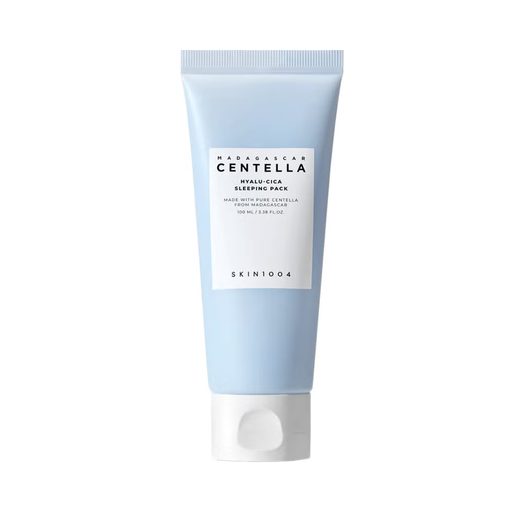
Why it suits this profile: The pack contains 100 ml, and the creamy formula is designed to be applied in a thin layer to the face and neck overnight. It’s practical if you use an overnight face mask regularly.
The instructions say to apply a thin layer as the final step in your evening routine. This helps you avoid leaving a short-wear sheet mask on for longer than necessary.
100 ml; the ingredients list includes centella, three forms of hyaluronic acid, panthenol and ceramide NP.
Start by cleansing your face and using toner if you wish. Apply a sheet mask or hydrogel mask evenly, keeping it clear of your eyes and lips. Stick to the recommended wear time, then gently massage in any leftover essence. Apply a cream or overnight mask as the final step, unless the packaging says otherwise.
It’s better to use a mask consistently than every day without a reason. Once or twice a week may fit into a regular routine, but always follow the instructions for the specific product. During the day, a hydrating mask can feel pleasant before applying moisturiser and sun protection. It doesn’t replace either of them.
If you’re looking for Korean face masks, you’ll often find formulas containing centella, ceramides, rice extract or several types of hyaluronic acid. Compare more than just the country of origin or packaging: check the INCI list, amount per mask and recommended wear time. If you’re building a cosmetic anti-ageing face mask routine, you could look for ingredients such as adenosine or peptides, without assuming they’ll deliver medical or guaranteed results.
We’ve put together a complete, up-to-date list of products that meet these strict selection criteria and current European safety requirements.
It depends on the formula. Many sheet masks are used once or a few times a week. An overnight mask may also be suitable once or a few times a week. Always follow the packaging instructions and use it less often if your skin reacts to it.
With a sheet mask, you’ll usually pat in the remaining essence, so there’s no need to rinse. An overnight face mask can be rinsed off the next morning. A wash-off mask should be removed after the recommended wear time. Always check the product instructions.
For dry skin, choose humectants such as glycerin and hyaluronic acid, alongside caring ingredients such as panthenol or ceramides. If you have sensitive skin, a short INCI list without ingredients you know you react to is often a practical starting point. Test a new product on a small area of skin first, and stop using it if irritation occurs.
