
Same-day & Next-day Delivery

Quality Guaranteed

Unlock Your Welcome Offers: FREE Delivery | Up to 80% OFF | Free 30-day JoyPlus trial
Download the APP
A hydrating face mask can be a simple addition to your skincare routine, especially when your skin feels dry, tight or dehydrated. Yet the choice is vast. A sheet mask, hydrogel mask and overnight face mask differ not only in texture, but also in wear time, ingredients and how they fit into your routine.
Marketing copy can sometimes make it tricky to compare products fairly. So it’s best to focus on verifiable information on the packaging and product page.
A formula packed with plant extracts or active ingredients sounds appealing, but on its own it doesn’t tell you much about whether it’s right for your skin. First, look for well-known humectants such as glycerine, betaine, panthenol and hyaluronic acid. A face mask for dry skin may also contain oils, squalane, shea butter or ceramides to make the skin feel more comfortable.
Do you have sensitive skin? Then also check whether perfume, essential oils or any ingredients you’ve reacted to before are listed.
A sheet mask can dry out if you leave it on much longer than the instructions say. The essence can then feel less comfortable. An overnight face mask is specially designed to stay on for longer; a regular sheet mask isn’t always.
So stick to the recommended time. For a product with specific instructions, such as a hydrogel mask that turns transparent, follow the directions on the packaging.
Words like “glow”, “repair” or “barrier” often describe a desired user experience, not a guaranteed result. According to a brand’s own research, certain results may have been measured in a test group, but that doesn’t mean every user will see the same effect. Skin type, routine and frequency of use all play a part.
A hydrating sheet mask is handy for a one-off treatment. The mask is usually already soaked in essence and requires little preparation. A hydrogel mask often fits closely to the skin and, according to the packaging, can be worn for longer.
A sleeping mask for the face or cream mask is applied as the last step of your evening routine. You usually don’t need to rinse it off straight away. Do check whether the product is intended for all-night wear or just a short absorption time.
With a hyaluronic acid face mask, you’ll often see multiple forms of hyaluronic acid, such as sodium hyaluronate or hydrolyzed hyaluronic acid. The product description may indicate which variants have been used, but their presence doesn’t guarantee a particular skin result.
For a nourishing face mask, these ingredients are also relevant:
Don’t just compare millilitres or grams, but also the number of applications. A box of four sheet masks can be more practical than one pot that you open multiple times. Single-use masks must not be reused.
Also pay attention to the expiry date, batch information and period after opening on the packaging. Store a mask according to the instructions, usually away from direct sunlight and at normal room temperature. If you experience redness, swelling, itching or a burning sensation, stop using it. Do not use a mask on wounds, eczema or visibly irritated skin.
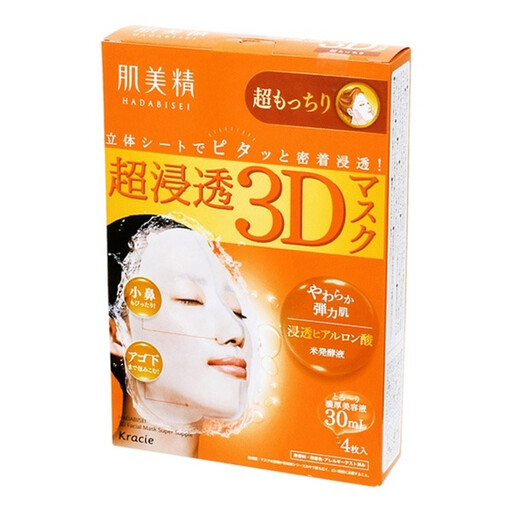
Why this fits the profile: The pack contains four individual sheet masks. The 3D shape is designed to fit the face closely, and the usage instructions are clearly described.
The product information states 30 ml of essence per mask and warns not to leave the mask on for too long or to sleep in it.
Combination of low and high molecular weight hyaluronic acid forms; 3D sheet; four pieces per box.
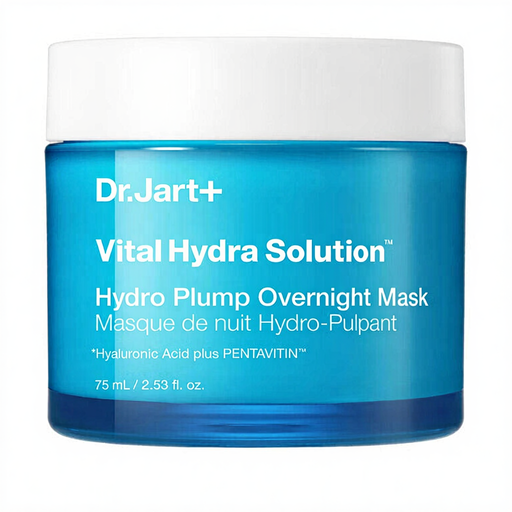
Why this fits the profile: This gel mask is designed for overnight use and, according to the product description, doesn’t need to be rinsed off. That suits a consistent evening routine.
The format clearly distinguishes it from a short-wear sheet mask. According to the product information, the formula is fragrance-free and paraben-free.
75 ml content; gel texture; hyaluronic acid and panthenol are listed in the ingredients.
We’ve put together a full, up-to-date list of products that fully meet these strict selection criteria and comply with current European safety regulations.
That depends on the type of mask and the usage instructions. A sheet mask is often used once or a few times a week. An overnight face mask can sometimes be used more frequently, but pay attention to how your skin reacts. If you have sensitive skin, start with a low frequency.
It can be, but always check the ingredients and warnings. Preferably choose a formula without ingredients you’ve been sensitive to before. Test a new product on a small area of skin first and stop if irritation occurs. If symptoms persist, consult a dermatologist.
In practice, these terms are often used interchangeably. Both are usually intended to be applied in the evening and left on for a longer period. Mainly check whether the product needs to be rinsed off, how much to apply and whether it’s specifically designed for overnight use.
