
Vandaag of morgen in huis

Kwaliteit gegarandeerd

Welkomstaanbiedingen ontgrendelen: GRATIS bezorging | Tot 80% korting | Gratis 30 dagen JoyPlus-proefperiode
Download de app
A hydrating face gel feels light, usually absorbs quickly and often leaves less shine than a traditional cream. Yet not every gel is suitable for every skin type. One product might feel pleasantly refreshing, but offer too little comfort for dry skin. Another formula may appear oil-free, yet still contain fragrance or ingredients that don't suit sensitive skin.
So don't just focus on words like "intense hydration" or "water gel". Instead, pay close attention to the skin indication, ingredients, volume and usage instructions.
A gel feels instantly cooling and light. That alone doesn't tell you how long your skin will stay comfortable. For dry skin, a thin formula can be pleasant as a first layer, but sometimes a richer gel-cream is needed to lock in moisture more effectively.
Brands sometimes mention a specific number of hours of hydration, a percentage of moisture increase, or a multi-layer skin effect. Such figures are brand claims. According to the brand's own research, results may have been measured under specific conditions and are not automatically the same for every user.
Therefore, use claims as supplementary information. Also check the INCI ingredients list, the skin type indication and the volume in millilitres or grams.
Not every gel is a moisturiser. A cleansing gel removes dirt and sebum and is rinsed off. A hydrating gel or gel-cream for the face stays on the skin instead. Check the product name and usage instructions before you order. The range also includes gels for lip care, scar treatment or other applications that are not intended as a daily face cream.
A claim such as "hypoallergenic" is no guarantee that a product will be problem-free for everyone. Stop using it if irritation occurs and follow the safety information on the packaging.
Hyaluronic acid, glycerine, panthenol and certain sugars are often used as moisture-binding ingredients. A hyaluronic acid moisturiser can therefore be suitable for those seeking a watery, light formula. Silicones, such as dimethicone, can make the texture smoother and help form a comfortable layer on the skin.
Also look for ingredients you specifically want to avoid. If you can't tolerate fragrance, search for "fragrance-free" or "parfumvrij". With essential oils and fragrance allergens, watch out for names like limonene and linalool.
Don't just compare the price, but also the amount. A pot or tube of 100 ml can be more economical per use than a 30 or 40 ml pack, depending on the recommended dosage. A pump bottle can be handy for daily use and limits direct contact with the product.
Follow the packaging for shelf life and period after opening. Store the product closed, away from direct sunlight and according to the manufacturer's instructions. A gel used under make-up should be sufficiently absorbed to prevent pilling or stickiness.
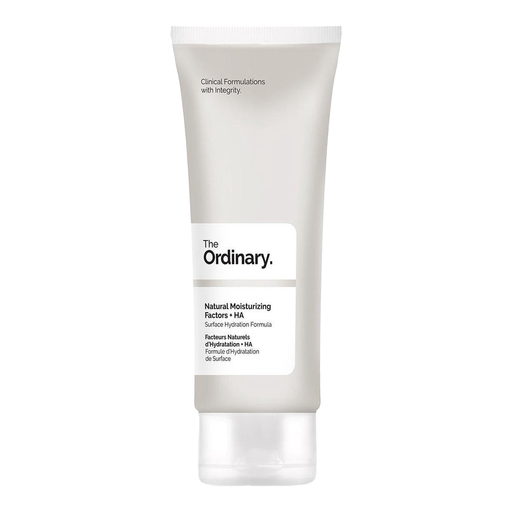
Why this fits the profile: The formula is non-greasy and the pack contains 100 ml. According to the product information, it is suitable for dry, normal, oily, sensitive and combination skin among others.
The product information explicitly mentions a non-greasy formula and states that the product is free from alcohol and oil. Check the current packaging for the full ingredients list.
100 ml volume; non-greasy formula; contains hyaluronic acid and Natural Moisturising Factors according to the product information.
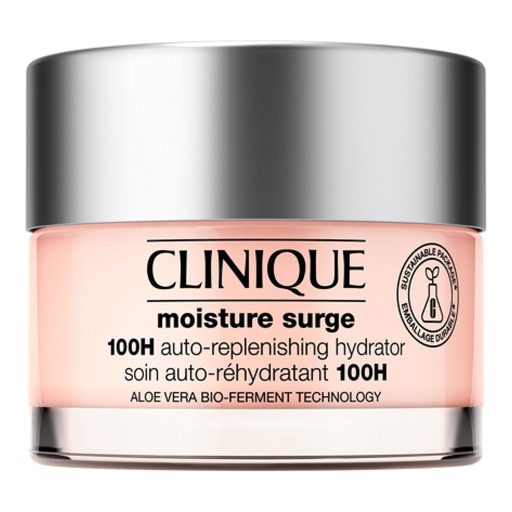
Why this fits the profile: This gel-cream for the face is, according to the product information, oil-free, fragrance-free and suitable for dry, very dry, combination and oily skin.
The product description indicates multiple skin types and a fragrance-free formula. The stated hydration duration is a claim based on Clinique's own research; see the packaging for current information.
50 ml; oil-free; fragrance-free; gel-cream with hyaluronic acid according to the product information.
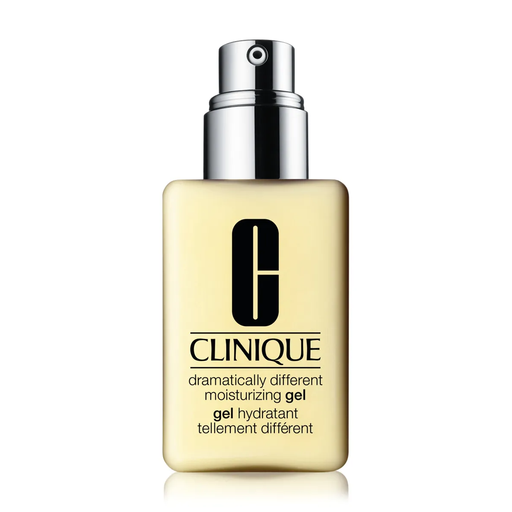
Why this fits the profile: The light gel is, according to the product information, developed for oily or combination skin and contains 125 ml. That suits daily use on face and neck.
The product information mentions an oil-free and fragrance-free formula. The usage instructions place the gel as a step in a skincare routine, not as a cleansing product.
125 ml; light gel texture; oil-free and fragrance-free according to the product data.
We've put together a full, up-to-date list of products that fully meet these strict selection criteria and comply with current European safety regulations.
Apply a small amount to a cleansed face and let the gel fully absorb. Use a sun protection product during the day if that fits your routine. A face gel can be used on its own, under make-up or as a layer beneath a richer cream. For dry skin, you can first apply a hydrating serum and then use a gel-cream.
If you have sensitive skin, test a new product on a small area first. Do not use a face gel around the eyes unless the packaging explicitly states it is suitable. Re-check the ingredients when the formula or packaging has changed.
Often yes, especially when the formula is light and oil-free. Check whether the product is specifically suitable for oily or combination skin. A gel texture does not automatically prevent a shiny complexion; the full formula and the amount you apply also play a role.
A gel is usually thinner and more watery. A gel-cream often contains more emollient or protective ingredients and therefore feels slightly richer. For oily skin, a light gel can be pleasant, while a face gel for dry skin is more often offered as a gel-cream.
Follow the expiry date and the period after opening indicated on the packaging. The shelf life depends on storage, packaging and formula. Close the tube or pot after use and do not store the product in direct sunlight or extreme heat.
