
Vandaag of morgen in huis

Kwaliteit gegarandeerd

Welkomstaanbiedingen ontgrendelen: GRATIS bezorging | Tot 80% korting | Gratis 30 dagen JoyPlus-proefperiode
Download de app
Buying a hydrating face cream sounds simple, until you have to choose between a lightweight gel, a rich cream, Korean skincare or a formula designed for the skin barrier. A high price or striking claim does not automatically mean a product will suit your skin. The right choice mainly depends on skin type, ingredients, texture and when you use it.
A body cream can feel pleasant on dry arms or legs, but it is not automatically suitable for the face. Facial skin may react differently to fragrance, rich oils or an occlusive texture. Always check that the packaging says face cream, day cream or night cream.
A hyaluronic acid cream sounds appealing, but the overall formula matters more than a single ingredient. Also look for glycerine, panthenol, betaine, squalane, ceramides and oils. These substances have different functions within a formula. According to the product descriptions of several brands, hyaluronic acid is used to attract and retain moisture; the actual experience may vary depending on your skin and environment.
Terms such as “anti-ageing”, “barrier repair” or “intense hydration” are not a guarantee of a particular result. According to a brand’s own research, such claims may be based on brand research or specific usage tests. Therefore, pay particular attention to the INCI ingredients list, skin type guidance and directions for use. If you have sensitive skin, a patch test is advisable.
Glycerine and hyaluronic acid are moisture-binding ingredients. Ceramides, cholesterol and fatty acids are found in formulas that focus on the skin barrier. Panthenol, beta-glucan and allantoin are often used in products designed to provide a comfortable skin feel.
A cream containing lots of oils or shea butter may be suitable as a nourishing night cream, but can feel less comfortable under make-up during the day. A formula containing silicones or a gel texture may apply more smoothly. If you have an allergy, always check the full packaging; ingredients and formulations may change.
A 100 ml jar may seem like good value, but how long it lasts depends on how often you use it and how much you apply each time. Check the expiry date and the period after opening, such as 6 or 12 months if this is stated on the packaging.
Use a hydrating day cream in the morning and finish your routine with sun protection when going outside. A night cream can be richer, as you do not need to take make-up or a shiny finish into account as much.
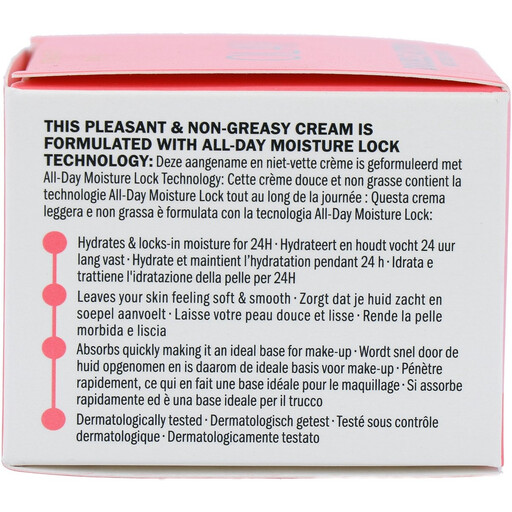
Why it suits this profile: The product description mentions a lightweight formula for normal to dry skin and use as a base under make-up. This makes the cream suitable for a simple morning routine.
The skin type guidance and recommended time of use are clearly stated. However, check the current ingredients list if you are sensitive to fragrance or other ingredients.
50 ml; lightweight hydration; designed for use as a primer under make-up; dermatologically tested according to the product information.
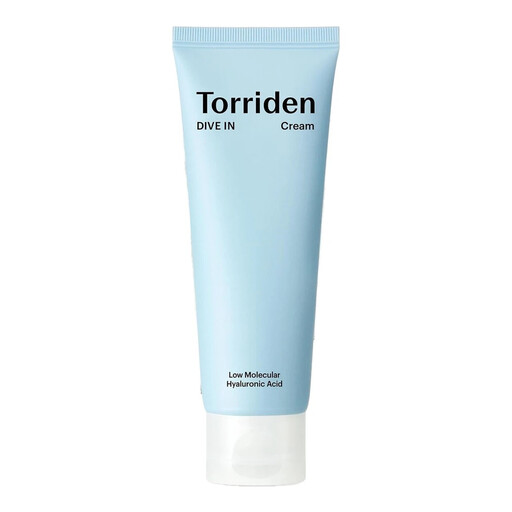
Why it suits this profile: This Korean face cream contains several forms of hyaluronic acid, glycerine, betaine, beta-glucan and ceramide NP. The product description mentions a lightweight yet rich texture for everyday use.
The choice is not based solely on the term “low molecular”; the formula contains several humectant and soothing ingredients that you can check for yourself.
80 ml; several forms of hyaluronic acid; jojoba, macadamia and argan oils; intended as the final step in your routine.
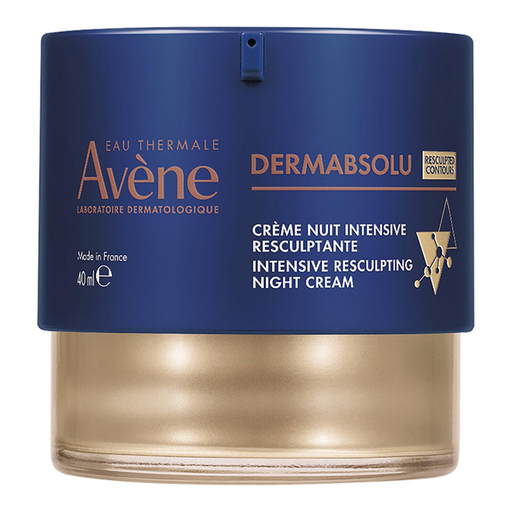
Why it suits this profile: The product information is aimed at mature skin and mentions a rich texture containing glycerine, bakuchiol, pro-ceramides and niacinamide.
It is clearly a night product, so you do not need to judge it based on how well it works under make-up. However, check the full INCI list if you have sensitivities.
40 ml; rich night cream; product information states 12 months of use after opening; suitable for the face, neck and décolleté.
We have put together a complete, up-to-date list of products that fully meet these strict selection criteria and the applicable European safety regulations.
You can usually apply face cream to cleansed skin in the morning and evening. Start with a small amount. A thick layer may feel heavy or sit less comfortably under make-up. Ideally, follow the instructions on the packaging.
This varies from product to product. Look for the open-jar symbol showing, for example, 6M or 12M, and check the shelf-life information on the packaging. Store the cream in a cool, dry place away from direct sunlight. Has the smell, colour or texture changed? Stop using it.
Choose a product whose ingredients and warnings are clearly stated. A fragrance-free formula can be a practical option if you prefer to avoid fragrance, but other ingredients may also cause irritation. Test a small amount first and stop using it if you experience redness, itching, swelling or a burning sensation. If symptoms persist, seek medical advice.
