
Vandaag of morgen in huis

Kwaliteit gegarandeerd

Welkomstaanbiedingen ontgrendelen: GRATIS bezorging | Tot 80% korting | Gratis 30 dagen JoyPlus-proefperiode
Download de app
A hydrating face cream seems easy to choose until you look at the range available. Gel creams, rich creams, formulas with hyaluronic acid and products for “all skin types” often promise similar results. Yet the same cream can feel pleasant on one person’s skin and too heavy, sticky or not nourishing enough on another’s.
The most important choice depends on more than just the brand. Pay particular attention to the ingredients, texture, size and your skin type. This helps you avoid paying for an attractive claim that does not fit your daily routine.
Words such as “intensive”, “deep” and “long-lasting” say little on their own. Instead, look for information you can verify:
Claims about, for example, a specific number of hours of hydration or a percentage increase in moisture are brand claims. According to the brand’s own research, such results may have been measured under specific conditions. They are not automatically the same for every user.
An intensively hydrating cream does not necessarily have to feel thick or greasy. A gel cream for the face can feel comfortable on combination or oily skin, while a richer cream may be better suited to dry skin or evening use.
If you wear make-up or sun cream, it is worth considering:
A face cream for all skin types can be a practical starting point, but it does not guarantee that the formula is ideal for you. Sensitive skin may react to perfume, alcohol or certain plant extracts, for example. On oily skin, a high oil content or heavy texture may feel less comfortable.
Always check the current ingredients list on the packaging. Formulas can change. If you have sensitive skin, test a small amount on a limited area first and stop using it if irritation occurs.
In cosmetics, hyaluronic acid often appears as sodium hyaluronate, hydrolyzed hyaluronic acid or another variant. The ingredient helps bind moisture to the skin. In practice, a face cream with hyaluronic acid often feels more comfortable when the formula also contains soothing ingredients.
To support the skin barrier, look for:
A barrier-repair face cream is a cosmetic skincare product. The term describes the product’s positioning and ingredients, not a medical treatment.
Choose a gel cream for the face if you prefer a fresh, lightweight finish. This can be useful for combination or oily skin and for wearing under make-up. An oil-free hydrating cream may also be suitable if you want a less greasy feel; however, check that “oil-free” is actually stated in the product specifications.
A cream for dry skin often contains more soothing or occlusive ingredients. These can help the comfortable feeling last for longer. For sensitive skin, a short ingredients list, no perfume and a patch test are often sensible considerations.
Do not compare the price alone; consider the size too. The products in this selection range from 40 to 125 ml. A generously sized pack can offer good value if you use the cream every day, while a smaller size is useful for trying a formula first.
Apply the cream after cleansing and, if needed, after a toner or serum. During the day, apply sun protection as part of your routine. Use a small amount and only add more if your skin responds comfortably.

Why it suits this profile: The 100 ml pack and lightweight gel texture make this a practical introduction for anyone wanting to try Korean skincare without choosing a heavy cream.
The product description specifically mentions a lightweight gel with no sticky feeling. This is helpful if you want to avoid a cream that feels too heavy.
100 ml size, gel texture and, according to the product specifications, designed for oily or combination skin.

Why it suits this profile: Ideal for anyone looking for an oil-free hydrating cream with a gel cream texture and fragrance-free product specification.
The product specifications state that it is oil-free, fragrance-free and non-comedogenic. Check the packaging if these properties are important to you.
75 ml size, gel cream formula and hyaluronic acid according to the listed ingredients.
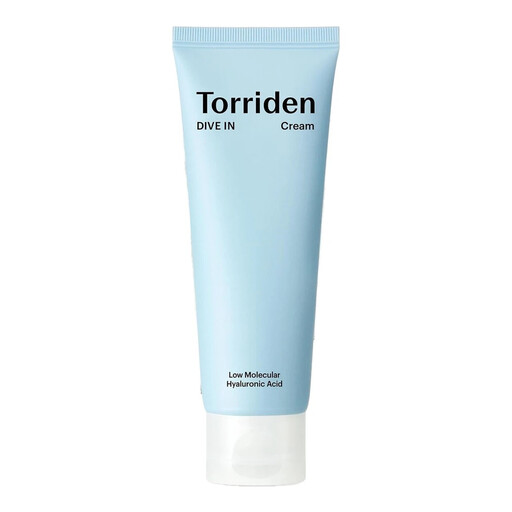
Why it suits this profile: An option for anyone wanting to incorporate multiple forms of hyaluronic acid and a cream for all skin types into a regular routine.
The ingredients list includes several forms of hyaluronic acid, glycerine, beta-glucan and ceramide NP. The texture is described as lightweight and fast-absorbing.
80 ml size and several listed hyaluronic acid derivatives, complemented by ceramide NP.
Always compare the same points: price per 10 ml, size, ingredients, fragrance ingredients and texture. A cream for dry skin may be more economical if you only need to use a small amount. With a gel cream, you may sometimes use slightly more, particularly if you apply several layers of skincare.
Also check the period after opening and store the jar or tube somewhere cool and out of direct sunlight. Do not use a product if its scent, colour or texture has clearly changed. If redness, itching or a burning sensation persists, stop using the product and seek medical advice if necessary.
We have put together a complete, up-to-date list of products that fully meet these strict selection criteria and the applicable European safety regulations.
Look for a lightweight gel cream or oil-free hydrating cream. Ingredients such as glycerine and hyaluronic acid can bind moisture without the formula automatically feeling greasy. Also check the full ingredients list and choose a texture that absorbs quickly.
It can be, but hyaluronic acid alone does not determine how nourishing a product is. For dry skin, a formula containing glycerine, ceramides, oils or shea butter may feel more comfortable. A richer cream generally seals in moisture more effectively than a very lightweight gel.
Follow the expiry date and the period-after-opening information on the packaging. Many cosmetics display an open-jar symbol showing a number of months, for example. Keep the cream tightly closed, out of direct sunlight and, if in doubt, follow the information on the product label.
